2026 Film Industry Trends: The Battle Between Theaters and Streaming Reaches a Breaking Point
As global box office projections hit $35 billion and Netflix eyes a Warner Bros. merger, the film industry faces its most significant transformation in decades. Here's what 2026 means for cinema.
Editorial Notes
Leah handles source checks, release-date verification, awards coverage, and the reporting framework behind BucketMovies news and industry pieces.
Anna Price
Editor-in-Chief
Anna edits BucketMovies criticism and essay packages, with a steady interest in classic Hollywood, literary adaptations, and repertory programming.
What Happened
The global film industry stands at a crossroads in 2026. Projections indicate the worldwide box office will reach $35 billion, marking a 5% increase over 2025 estimates and the highest-grossing year since 2019. The North American market alone is expected to hit $9.8 billion, representing a 10% increase from 2025.
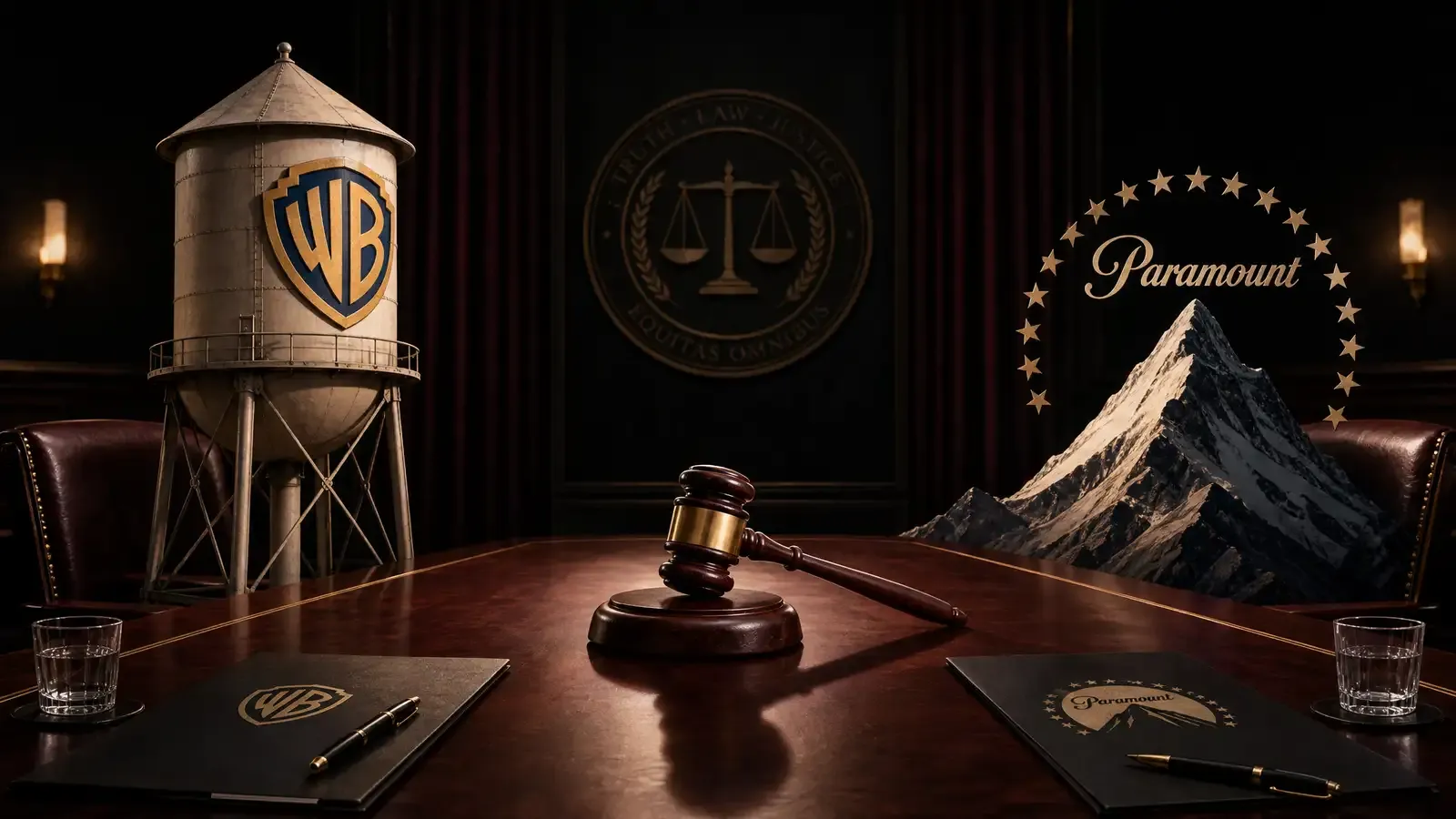
Yet beneath these promising numbers lies an existential tension. The potential merger between Netflix and Warner Bros. threatens to fundamentally alter how films reach audiences. Theater owners view this with alarm, fearing that a streaming-first approach could render traditional exhibition obsolete.
At a glance:
- Global box office projected at $35 billion in 2026
- North American theatrical business targeting $9.8 billion
- Netflix-Warner Bros. merger could reshape distribution
- Major releases include Avengers: Doomsday, The Odyssey, and Toy Story 5
The Backstory
For years, the film industry operated on a relatively stable model: theatrical release followed by home video, then streaming. The pandemic disrupted this completely, accelerating streaming adoption by years in mere months.
Studios experimented with hybrid releases, day-and-date premieres, and exclusive streaming windows. Some experiments failed. Others, like Warner Bros.’ decision to release all 2021 films simultaneously on HBO Max, drew intense criticism from theater chains.
By 2025, the industry had found a fragile equilibrium. Theatrical exclusives returned for major franchises, while mid-tier films found homes on streaming platforms. But this balance is now under threat.
Amazon MGM’s “premium windowing” strategy represents a middle path. The studio releases films theatrically first, then licenses internationally after a window, generating cultural momentum before reaching streaming audiences. This approach has shown promise for films like Saltburn and The Idea of You.
What You Need to Know
1. The Netflix-Warner Bros. Threat
The proposed merger between Netflix and Warner Bros. Discovery represents the most significant consolidation in entertainment history. Netflix, historically hostile to theatrical releases, would gain access to Warner Bros.’ extensive library and production capabilities.
The concern among theater owners is clear: if DC films and other major Warner Bros. properties reach Netflix within weeks of theatrical release, the theatrical window collapses entirely.
“The chilling effect would be indescribable,” said one theater owner who spoke on condition of anonymity. “So many people have already been trained to wait for streaming. That accelerates if DC movies hit Netflix two weeks after they get to theaters.”
2. The Franchise Advantage
2026 has a strong slate of franchise films. Avengers: Doomsday, Spider-Man: Brand New Day, Toy Story 5, Dune: Awakening, and The Mandalorian & Grogu represent billions in guaranteed box office potential.
This strength gives theater owners leverage. Studios still need theatrical releases to maximize revenue on their biggest investments. Even with streaming’s growth, no platform can match the ticket revenue generated by a successful franchise film.
3. The Mid-Tier Crisis
While blockbusters thrive, mid-tier films (productions costing $30-80 million) face increasing challenges. These films once filled the gap between prestige pictures and tentpole releases. Now, they are squeezed from both directions.
Streaming platforms initially seemed like a salvation, but the economics have shifted. Advances are smaller, pay-one windows in Europe are shrinking, and platforms prioritize windowing and selectivity over volume.
The result is fewer mid-tier films reaching audiences. Sundance 2026 reflected this tension, with more films seeking distribution deals than actually securing them.
4. International Growth
China’s recovery has been slower than expected, but other international markets show strength. India, Latin America, and Southeast Asia all contributed to 2025’s box office growth, and projections suggest continued expansion.
This international diversification provides studios with new revenue streams but also introduces complexity. Different markets require different release strategies, and political tensions can affect content accessibility.
What Experts Are Saying
“The industry had stopped arguing about whether the distribution reset was real. It had become undeniable.” — FilmTake Analysis
“We’re seeing a structural recalibration that’s sorting winners from losers with unusual clarity.” — Industry Analyst
“Where did we fall in love with movies? In theaters. In a time when our world is deeply divided, this is more important than ever. It’s an experience you can’t replicate at home.” — Sean Baker, Best Director, 2025 Oscars
Industry sentiment: There is cautious optimism about theatrical recovery, but serious concerns about the long-term implications of streaming consolidation.
Potential implications: If the Netflix-Warner Bros. merger proceeds, expect other studios to seek similar partnerships. The traditional theatrical model may never fully recover.
What This Means
Short-term effects:
- Theatrical box office will likely exceed pre-pandemic levels in 2026
- Major franchise films will continue performing well
- Mid-tier films will struggle to find distribution
- Streaming services will continue investing in content
Long-term implications:
- The theatrical window could shrink to 30-45 days for major releases
- Netflix may become the dominant film distributor
- Theater chains may need to reinvent themselves as entertainment destinations
- Independent cinemas face existential pressure
Who’s affected:
- Theater chains (AMC, Regal, Cinemark)
- Streaming platforms (Netflix, Disney+, Amazon Prime)
- Film studios (Warner Bros., Universal, Paramount)
- Audiences (who may lose theatrical options)
- Filmmakers (fewer mid-budget films getting made)
Looking Ahead
The next six months will be crucial. Regulators will decide on the Netflix-Warner Bros. merger. Summer 2026 box office results will test whether theatrical momentum continues. The outcome of these decisions will shape the industry for the next decade.
What’s next:
- Federal decision on Netflix-Warner Bros. merger
- Summer 2026 box office performance
- Disney and Universal responses to market changes
- Theater chain adaptation strategies
Questions that remain:
- Will the theatrical window survive in its current form?
- Can independent cinemas survive the streaming era?
- How will the Netflix model affect film creativity and diversity?
- What role will AI play in film production and distribution?
Sources
This article is based on:
- Deadline - 2026 Box Office Preview - Industry projections and analysis
- The Wrap - 2026 Box Office Preview - Theater owner perspectives
- FilmTake - Distribution Analysis - Distribution strategy analysis
- S&P Global - Streaming-Theatrical Battle - Market intelligence report
- 2026 Spirit Awards Coverage - Independent cinema status
Related coverage:
- Box Office Records: A Year-by-Year History
- The Death and Rebirth of the Mid-Budget Film
- Streaming Wars: Who Wins in 2026
The film industry continues to evolve rapidly. BucketMovies will continue tracking these developments as they unfold.
Share This Article
Comments