The 2026 Box Office at Midyear: Billion-Dollar Mushrooms, Superhero Flops, and What It All Means
Domestic ticket sales are up 10% and summer is on track to clear $4 billion for the first time since Barbenheimer. But the winners and losers of 2026 so far tell a more complicated story about what audiences actually want.
Editorial Notes
BucketMovies Editorial covers classic cinema, repertory discoveries, and context-rich film criticism with an emphasis on source-backed reporting and careful editorial review.
Six months into 2026, the box office finally looks like its old self. Domestic ticket sales are up 10% from 2025, according to Rentrak data cited by Variety. The summer season is on track to clear $4 billion domestically for the first time since the Barbenheimer summer of 2023. These are real numbers, not pandemic-recovery asterisks.
But the list of what’s working and what isn’t tells a more interesting story than the top-line totals. The first half of 2026 has been a brutal sorting mechanism — separating the IP that audiences genuinely want from the IP that studios assumed they wanted, and exposing a budget problem that Hollywood still hasn’t solved.
The Billion-Dollar Club: Known Worlds, Reasonable Gambles
The biggest winner of 2026 so far is also the most predictable one. The Super Mario Galaxy Movie crossed $1 billion globally against a $110 million production budget. That’s an animated sequel built on Nintendo’s most bankable IP, from Illumination, which has turned cost discipline into an art form. The critics were cooler this time around, and the sequel couldn’t match the original’s numbers, but at a $110 million budget — cheap by animated blockbuster standards — none of that mattered. Nintendo has more than 200 Mario-related games in circulation, which means the pipeline for more stories is effectively infinite. The margin is the story.
Toy Story 5 also posted strong numbers, holding the top spot at the Australian box office for three straight weeks before Moana finally unseated it, racking up $37.42 million in that market alone. Between Mario, Toy Story, and Minions & Monsters — which held third place in Australia with $3.74 million in its latest frame — the animated franchise machine is humming along at full speed. These films cost less than live-action blockbusters, face fewer production delays, and don’t depend on a single actor’s availability or salary demands. From a pure business standpoint, the animated sequel is the closest thing Hollywood has to a guaranteed return.
More instructive, though, is Project Hail Mary, Amazon MGM’s adaptation of the Andy Weir novel. It has earned $683 million globally on a $200 million budget — solid but not spectacular — and validated something more important than the gross: the bet that a mid-budget sci-fi drama starring Ryan Gosling as a lonely scientist who befriends a sentient rock could open in March, away from summer competition, and find an audience through reviews and word of mouth. That used to be a normal thing. The film opened in a corridor that studios have spent years treating as a dumping ground, and it proved that counterprogramming still works if the movie is good enough. In 2026, that counts as a strategic revelation.
Horror continues to be the genre that refuses to lose. Obsession has become Australia and New Zealand’s biggest horror hit in a decade, per Variety Australia, and Backrooms turned a modest budget into genuine sleeper status. The pattern is by now well-established: horror films cost little, travel easily across markets, and are immune to the sequel fatigue that plagues franchise fare because each entry stands alone. Investors love them. Audiences keep showing up.
The Bombs: When the Math Stops Working
The flip side is uglier. Supergirl opened on June 24 and has made $116 million globally against a reported $290 million production and marketing budget. Polygon’s coverage notes that this has already renewed the superhero fatigue conversation — and the worst part for Warner Bros. is that the DC Universe brand is now actively dragging down projects that might have worked under different circumstances.
Moana’s live-action remake also landed with a thud, despite Dwayne Johnson’s presence and a built-in family audience. Director Thomas Kail hinted to Variety Australia at the possibility of a live-action Moana 2 — an awkward thing to float when the first one is still limping through its theatrical run. It earned $43 million in its domestic opening weekend against expectations, according to the Los Angeles Times, and while it performed better overseas — topping the Australian charts with a $5.93 million opening — the gap between expectation and reality was wide enough to sting. The film’s problems point to a larger issue with Disney’s live-action strategy: the animated originals work because animation is the right medium for the material. Translating them to live action doesn’t add anything. It just makes them more expensive and less magical.
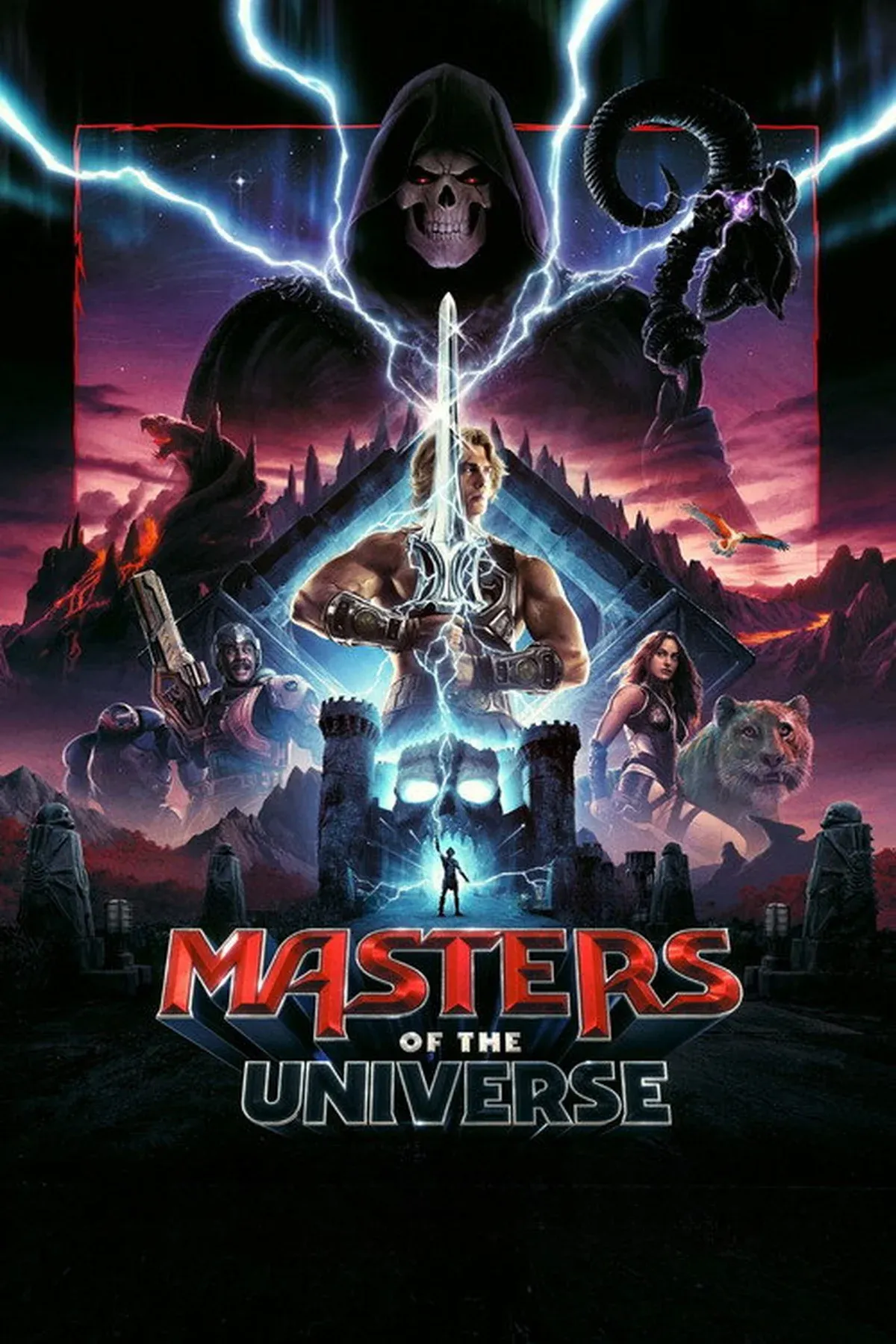
Masters of the Universe rounds out the disappointment column. Another legacy IP, another costly misfire. The through-line across all three is the same: massive budgets attached to properties that tested well in boardrooms but failed to generate the kind of urgency that actually gets people into theaters.
There’s a number that connects all three flops. When a film costs $200 million or more to produce, it needs to clear roughly $500 million globally just to break even after marketing and theatrical splits. That’s not a hit — that’s survival. And in 2026, several films that looked like sure things on paper couldn’t even get close.
The Budget Math That Hollywood Keeps Ignoring
This is where the analysis gets uncomfortable. The Super Mario Galaxy Movie cost $110 million and made $1 billion. Project Hail Mary cost $200 million and made $683 million — a perfectly respectable 3.4x multiple. Supergirl reportedly cost $290 million and made $116 million. That’s not a creative failure. It’s a budget failure.
Studios spent the last decade chasing the idea that bigger budgets equal bigger returns, and the math held up just long enough to become institutionalized. But 2026 is making it impossible to ignore the counter-narrative: the most profitable films of the year are the ones that spent less. Mario didn’t make more money because it cost more. It made more money because audiences wanted to see it, and the budget happened to be low enough that every dollar of revenue translated directly into profit rather than debt service.
The implication is uncomfortable for the industry because it suggests that the problem isn’t just superhero fatigue or sequel exhaustion — it’s a structural addiction to spending too much. The Supergirl film might have been profitable at $120 million. At $290 million, it was doomed before anyone saw a frame.
Streaming as the Safety Net — And the Problem
Polygon’s coverage of the Supergirl situation points to an interesting wrinkle. While Supergirl cratered in theaters, My Adventures with Superman — an Adult Swim animated series reimagining Superman’s early years through an anime lens — ranked among the top 10 shows on HBO Max this week. Same universe. Same characters. Completely different outcome.
This gets at something the box office numbers alone don’t capture. Audiences are still interested in superhero stories. They’re just not willing to leave the house and pay $15 for them when they can get a version at home that’s at least as satisfying. The theatrical window used to be the only place to experience a big superhero spectacle. Streaming has spent five years eroding that scarcity, and 2026 is the year the erosion became impossible to deny.
The pattern is broader than DC. Horror films that bomb in theaters often find a second life on streaming within weeks. Family films that open soft get a boost when they land on services parents already pay for. The metric that matters isn’t just the opening weekend anymore — it’s the opening weekend plus the streaming window, and no one has a clean way to measure that yet.
This creates a measurement problem that distorts every headline about box office performance. A film can “flop” in theaters with $100 million globally, then rack up tens of millions of streaming hours over the next six months — and because streaming services guard their viewership data like nuclear codes, the narrative stays stuck on the theatrical number. Supergirl might be a genuine financial disaster, or it might be a film whose economics are split across two windows in a way that makes the theatrical number look worse than the full picture. The problem is that nobody outside the studio actually knows, and the studio has every incentive to keep it that way.
Reuters Breakingviews has noted that the supersized media M&A wave, including the Paramount-Warner Bros. tie-up currently facing a lawsuit from 12 state attorneys general, is partly a response to this uncertainty. If you can’t beat Netflix at streaming, the logic goes, you merge until you’re big enough to survive. But consolidation doesn’t fix the fundamental problem: audiences have more choices than ever, their attention is finite, and charging them $15 for something they can wait three months to watch at home is a harder sell every year.
What the Rest of 2026 Needs to Prove
There’s still plenty of runway left. Christopher Nolan’s The Odyssey, shot entirely on IMAX with a reported 2 million feet of Kodak film and a 60-foot practical Cyclops, arrives as the kind of old-school theatrical event that streaming can’t replicate. Dune Part Three and Avengers: Doomsday will test whether established franchises can still command the kind of urgency that drives $200 million opening weekends. And the holiday season always rewrites the narrative.
But the first six months have already given us the thesis. Audiences will show up for movies that feel like they were made for theaters — not for content that could have been a streaming series. They will reward reasonable budgets with outsized returns and punish reckless spending with outright rejection. And the most reliable moneymaker in Hollywood right now isn’t a superhero. It’s a genre that costs $5 to $15 million to produce and has been outperforming every other category for five years running.
The Devil Wears Prada 2, Jackass: Best and Last, and Evil Dead Burn all found audiences in the mid-budget lane without needing nine-figure marketing campaigns. None of them will crack the year-end top ten, but all of them will turn a profit. That’s the model the industry spent a decade walking away from, and 2026 is the year it started walking back.
The back half of the year will either validate that thesis or complicate it. But for now, the numbers are clear, and they’re not the numbers Hollywood wanted.
Share This Article
Comments