The Box Office Is Booming. So Why Is Nobody Going to the Movies?
The 2026 box office is breaking records, but ticket sales are down 37% from 2019. Here's how premium pricing and event films are reshaping who gets to go to the movies.
Editorial Notes
BucketMovies Editorial covers classic cinema, repertory discoveries, and context-rich film criticism with an emphasis on source-backed reporting and careful editorial review.
The 2026 box office is having its best year since before the pandemic. Spider-Man: Brand New Day opened to $168 million. The Odyssey has turned IMAX into a pilgrimage destination. Studios are printing money.
Here’s the catch: almost nobody is actually going to the movies.
According to S&P Global Market Intelligence, theaters sold an estimated 470.9 million tickets through the first 30 weeks of 2026. During the same stretch in 2019, that number was 747.3 million. That’s a 37% drop in attendance, and it happened while revenue climbed to its highest levels in years.
The math works because the price per ticket has ballooned. EntTelligence reports the average adult ticket price hit $13.46 through July 30, while IMAX admissions averaged $18.22. A family of four seeing a movie in a premium format can easily spend over $100 before popcorn. That’s not a casual outing. That’s an event, priced like one.
The numbers don’t add up
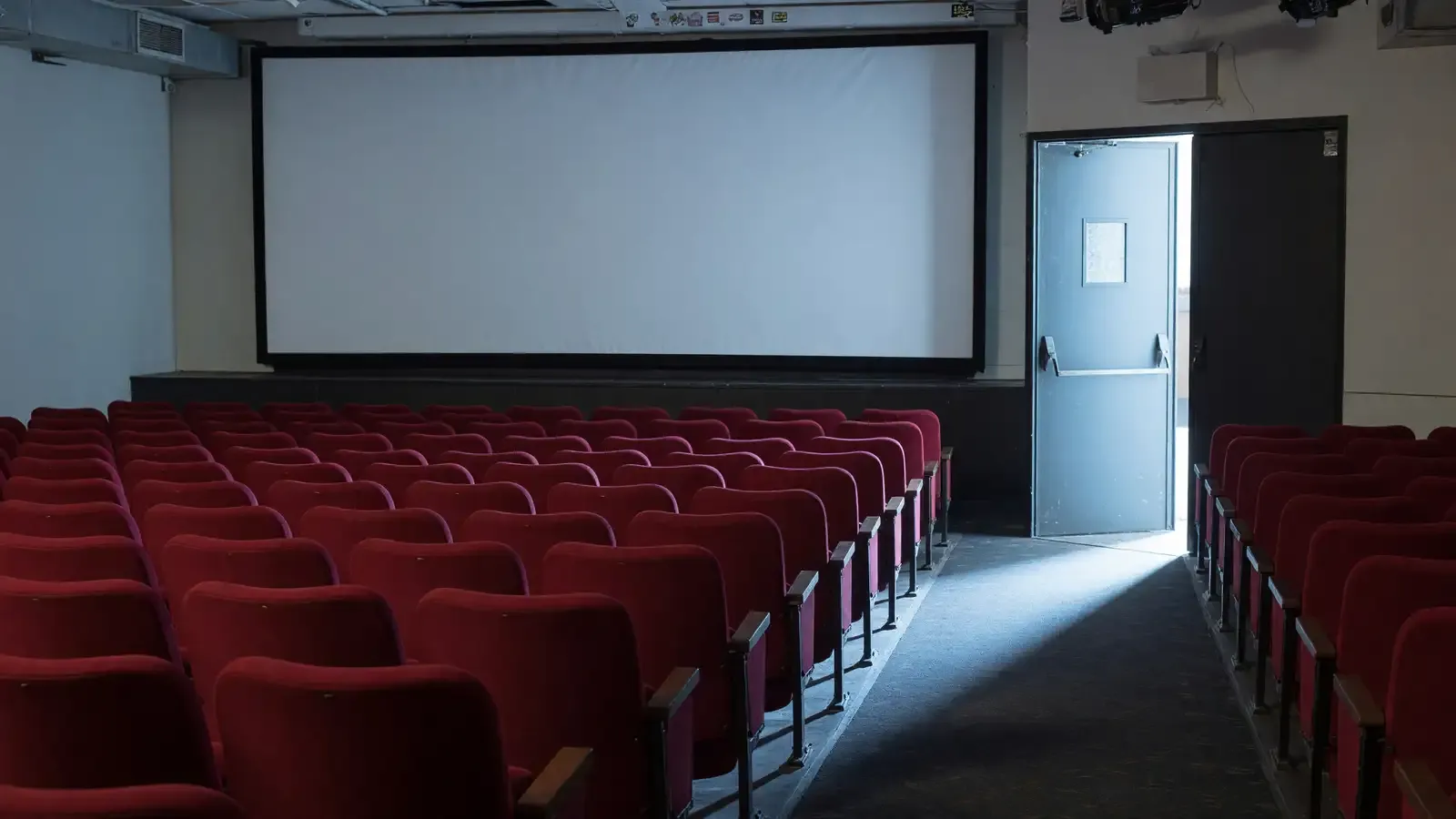
The traditional measure of a healthy box office is how many people bought tickets. By that measure, 2026 is a catastrophe dressed up as a recovery. The industry sold roughly 276 million fewer tickets than it did in the same period seven years ago. That’s not a dip. That’s a structural shift.
The revenue tells a different story, and it’s the one the industry prefers to highlight. Average ticket prices have climbed steadily, and premium formats like IMAX and Dolby Cinema command even steeper premiums. When a single IMAX ticket costs $18, you don’t need as many butts in seats to hit your quarterly targets.
S&P Global Market Intelligence analyst Wade Holden put it plainly: revenue growth for exhibitors has been driven mostly by increases in average ticket price along with increases in concession prices. The movies themselves are almost secondary. The real product is the premium experience, and the real customer is the one willing to pay $18 for a bigger screen.
This creates a strange dynamic. The box office numbers look great on paper. But they’re measuring revenue, not reach. Fewer people are watching movies in theaters, and the ones who are skew wealthier, urban, and younger. The audience is shrinking, but it’s spending more per head. Whether that’s a sustainable business model or a slow contraction disguised as growth depends on who you ask.
The premium format tax
Walk into any multiplex in 2026 and you’ll notice something: the regular screens are shrinking. Not literally, though some theaters have gone that route too. What’s happening is that more floor space is being devoted to premium large-format screens, IMAX auditoriums, and Dolby Cinema setups. The standard 35mm-equivalent screen is becoming the budget option, and the industry is betting you’ll upgrade.
The price gap is significant. An IMAX ticket costs about 35% more than a standard admission. Dolby Cinema runs similarly. Add reserved seating, which most premium formats require, and you’re looking at a booking experience that feels more like buying concert tickets than wandering into a matinee. The old model of showing up twenty minutes early and grabbing whatever seat was left doesn’t apply anymore. You’re choosing a specific seat, in a specific format, at a specific price point, weeks in advance for the biggest releases.
For studios, this is a feature, not a bug. Premium formats generate higher per-ticket revenue, and the spectacle-driven blockbusters of 2026, from The Odyssey’s six-country location shoot to Spider-Man’s IMAX-exclusive sequences, are explicitly designed to justify the upgrade. Nolan shot The Odyssey on 2 million feet of Kodak film specifically for the IMAX format. You’re not just watching the movie. You’re watching the format the movie was built for.
The problem is what this does to the casual moviegoer. The person who used to catch whatever was playing on a Tuesday night is now looking at $15 for a standard ticket, $18 for IMAX, and wondering whether the experience justifies the cost. For many, the answer is increasingly no. They’ll wait for streaming.
Event films versus everything else
The 2026 box office has a two-tier problem. The top tier, the event films, are doing better than ever. Spider-Man: Brand New Day, The Odyssey, and the handful of other franchise tentpoles are selling out premium formats weeks in advance. The bottom tier, everything else, is disappearing.
This isn’t new. The shift toward event cinema has been building since the mid-2010s. What’s changed in 2026 is the acceleration. Studios have narrowed their slates to focus on fewer, bigger films, and exhibitors have responded by giving those films more screens and better time slots. A mid-budget drama or a horror film that might have gotten a wide release in 2019 now struggles to find screen space.
The data backs this up. The 470.9 million tickets sold in the first 30 weeks of 2026 are concentrated in a smaller number of films than ever. A handful of blockbusters are doing the heavy lifting, while the long tail of smaller releases gets shorter every year.
This creates a feedback loop. Fewer mid-budget films get theatrical releases, so audiences learn that the only movies worth seeing in theaters are the big ones, so studios make fewer mid-budget films, so audiences learn the same lesson again. Streaming fills the gap for everything else, which means the theatrical experience becomes synonymous with spectacle. And spectacle costs more to produce, which means studios need higher box-office returns to justify the investment, which means more pressure to sell premium tickets.
The audience isn’t going away. It’s being sorted into tiers, and the price of admission to the top tier keeps climbing.
The rural cinema desert
While urban multiplexes install IMAX screens and charge $18 a ticket, rural America is losing its theaters entirely.
In April 2026, Big Sky Cinema in Dillon, Montana closed after serving the community since 1973. The property was bought by a Missoula-based company that operates Taco Bell. The closure left residents with no movie theater within roughly 50 miles. A month earlier, Cinema 33, the only theater in Ohio County, Kentucky, shut its doors, forcing residents to drive about 30 minutes to the nearest screen.
These aren’t anomalies. They’re the visible edge of a trend that’s been building for years. When rural theaters close, they leave behind communities that can’t easily substitute streaming for the theatrical experience. A movie theater isn’t just a place to watch films. It’s a gathering space, a cultural anchor, and for many small towns, one of the few entertainment options available.
The irony of The Odyssey’s 2026 box office run is that audiences are documenting their own epic journeys to see it, driving hours to reach an IMAX screen. Meanwhile, residents of Clarksdale, Mississippi, had to make a similar pilgrimage to see Sinners, Ryan Coogler’s Oscar-winning vampire film set in their own town. There’s no movie theater in Clarksdale. To watch their own community depicted on screen, residents drove more than an hour each way.
The premium format revolution that’s driving urban box-office numbers is, in rural America, a reminder of what’s been lost. You can’t upgrade to IMAX when there’s no screen at all.
What theaters are doing about it
Exhibitors aren’t ignoring the attendance decline. They’re responding by betting even harder on the experience. The logic is straightforward: if people are going to the movies less often, make each visit worth more.
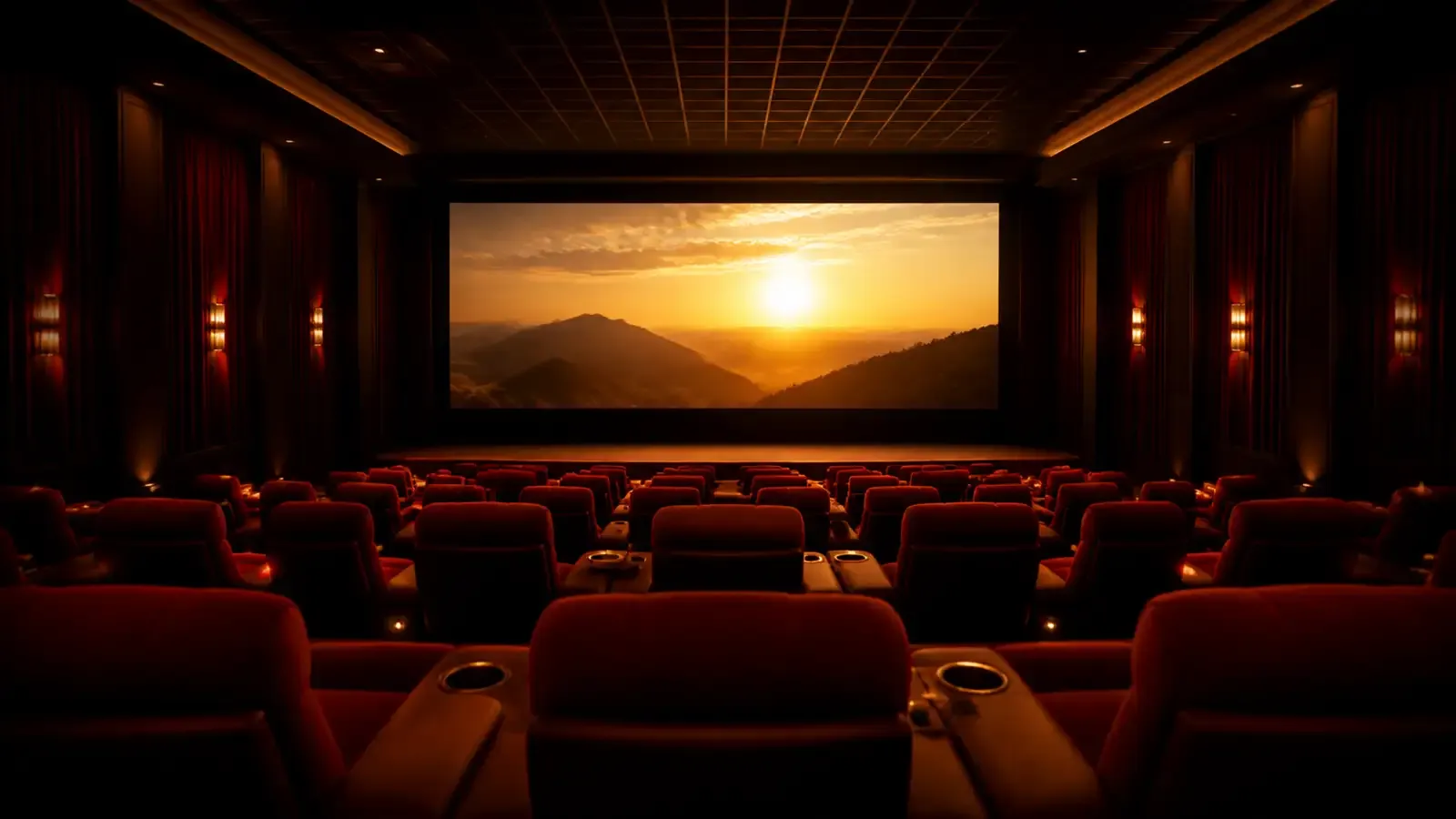
AMC, Regal, and Cinemark have all expanded their premium large-format offerings in 2026. IMAX screens are being installed in locations that never had them. Dolby Cinema setups, with their proprietary sound systems and laser projection, are becoming standard in new builds. Some theaters are adding luxury amenities: recliner seating, in-seat dining, bar service, even assigned seating with ticket prices that rival Broadway.
The goal is to make the theatrical experience something you can’t replicate at home, no matter how good your TV is. And for spectacle-driven films, it works. The Odyssey in IMAX is a genuinely different experience than watching it on a streaming platform. The scale, the sound, the communal energy of a sold-out auditorium, these things matter.
But the strategy has a ceiling. There are only so many event films per year, and only so many people willing to pay premium prices for them. The theaters that survive will be the ones that find a way to fill seats between the blockbusters. That means programming alternatives: indie films, classic repertory screenings, live events, sports broadcasts, anything that turns the theater into a destination rather than a venue.
Theaters that don’t adapt will keep closing, and the cinema desert will keep expanding. The premium format bet is working for now, but it’s a bet on a narrower and narrower audience.
The question nobody’s asking
The box office boom of 2026 is real, but it’s measuring the wrong thing. Revenue is up because prices are up, not because more people are watching movies. The industry is celebrating a financial recovery that’s simultaneously an audience contraction, and nobody in a boardroom seems troubled by the contradiction.
The question isn’t whether the box office can sustain these numbers. It’s whether a theatrical ecosystem that serves fewer people at higher prices can survive long-term. Premium formats are profitable now, but they depend on a steady stream of event films that justify the cost. When the next Spider-Man or Odyssey-level release doesn’t arrive, what fills the gap? The answer, so far, is nothing. The mid-budget film has all but vanished from the theatrical calendar, and nothing has risen to replace it.
The rural theater closures are the canary in the coal mine. When a town loses its only cinema, it doesn’t just lose a place to watch movies. It loses a shared cultural space. The audience doesn’t migrate to the nearest IMAX. It stops going to the movies altogether.
For the industry, the path forward probably looks like what we’re already seeing: fewer theaters, more premium experiences, higher prices, and a theatrical window that exists primarily for event films. Streaming handles everything else. It’s efficient. It’s profitable. And it means that for a growing number of Americans, going to the movies is something other people do.
The box office is booming. The audience is shrinking. Both things are true, and the industry hasn’t figured out how to make them coexist.
Share This Article
Comments