Project Hail Mary Went Against Every Hollywood Rule — and Won Anyway
Amazon MGM kept Project Hail Mary in theaters for three months while Mario Galaxy crossed $1 billion. Here's why the solo sci-fi film's stubborn theatrical run matters for the industry.
Editorial Notes
Anna edits BucketMovies criticism and essay packages, with a steady interest in classic Hollywood, literary adaptations, and repertory programming.
Hollywood spent the first half of 2026 waiting for a $1 billion box office hit. It finally came — The Super Mario Galaxy Movie crossed that mark in early June, the first film of the year to do so (GameSpot). Franchise muscle, recognizable IP, the usual machinery. Nobody was surprised.
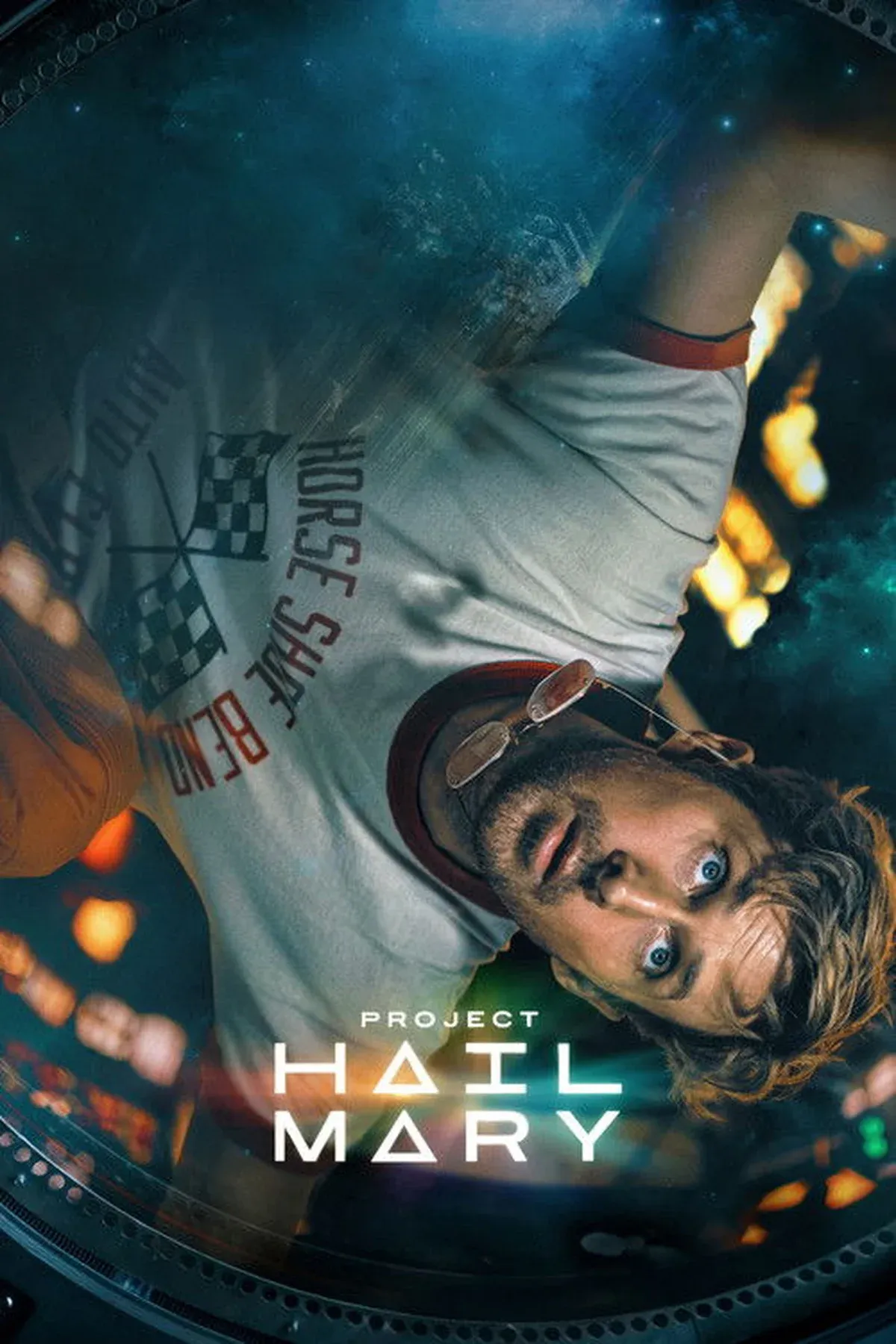
Project Hail Mary didn’t have any of that. Released March 15 with no built-in franchise scaffolding — just a popular Andy Weir novel, a PG-13 rating, and a 157-minute runtime that tested the patience of every studio algorithm. And yet, three months after its theatrical debut, it’s still in select cinemas while simultaneously heading to streaming (Collider).
That three-month theatrical window is the interesting part.
The Window Nobody Thought Would Survive 2026
Amazon MGM extended Project Hail Mary’s theatrical run well past the standard 45-day window most studios now consider generous. By mid-April, the film was still drawing audiences — not opening-weekend crowds, but steady, repeat-visit numbers that convinced the studio to keep it on screens. Then it hit PVOD on May 12, and theatrical sales kept going. The studio delayed the streaming premiere as a result.
The conventional wisdom since 2020 has been that audiences abandon non-franchise films after two weeks in theaters. Project Hail Mary pushed past that timeline by roughly double, suggesting word-of-mouth can still extend a film’s commercial life — but only if the studio resists the impulse to pull it for streaming immediately.
The MGM+ Gambit
Here’s the twist: when Project Hail Mary arrives on streaming June 18, it won’t debut on Prime Video. It’s landing on MGM+ first, Amazon’s smaller and less-popular streaming arm. The strategy is transparent — use a high-profile film to drive MGM+ subscriptions, then likely move it to Prime Video a few weeks later. Amazon did the same thing with American Fiction in 2024 (Collider).
It’s a rare move. Most studios funnel their biggest titles directly to their flagship platforms. Amazon is effectively treating MGM+ as a temporary destination, betting that the film’s sustained buzz will convert enough subscribers to justify the detour. Whether that works depends on MGM+‘s ability to retain viewers after the initial wave of Hail Mary fans arrive.
Phil Lord and Christopher Miller’s Adaptation Choices
The directors’ pedigree matters here. Lord and Miller built their reputation on the Spider-Verse films, which proved that audience appetite for visually inventive genre filmmaking extends well beyond the superhero space. Their approach to Project Hail Mary — directed alongside Christopher Miller with Drew Goddard co-writing — carried that same energy: a sci-fi adventure that trusted its audience to sit with a 157-minute narrative about a lone astronaut solving a cosmic problem.
The runtime alone would have scared off most studio executives in any era. The fact that a nearly three-hour solo sci-fi film sustained word-of-mouth for over twelve weeks says something about the film’s execution — and about the audience’s willingness to engage with original material when it’s handled with enough care.
The question for Amazon is whether Project Hail Mary — which has demonstrated a more sustained theatrical presence than American Fiction ever had — can generate a more durable audience relationship with MGM+. The platform has been quietly building its catalog with indie acquisitions and older MGM library titles, but a film of this profile arriving first gives it a visibility boost it hasn’t had since its rebrand from Epix.
The Sci-Fi Theatrical Window Is Shrinking — Except When It Isn’t
The broader pattern for sci-fi releases in 2026 has been aggressive streaming timelines. Most mid-budget genre films now hit PVOD within 30 days and streaming within 45, a compression from the 90-day theatrical exclusivity that was standard before the pandemic. Project Hail Mary’s extended run bucks that trend entirely.
Part of the explanation is timing. The March 15 release date put the film in a relatively quiet stretch of the theatrical calendar — after the Oscar-season holdovers but before the summer blockbuster onslaught. That window gave it room to build an audience without competing against Toy Story 5 or the next Marvel release. Whether Amazon planned that timing intentionally or got lucky with the calendar, the result is a sci-fi film that proved its commercial legs in a way most non-franchise entries haven’t since Everything Everywhere All at Once.
What This Means for the Rest of 2026
The broader 2026 box office picture is mixed. Scary Movie opened to $55 million in a recent weekend (MediaPost), proving that comedy franchises still pull numbers. Toy Story 5 is tracking for a record-breaking opening (WDW News Today). The machine is humming.
Project Hail Mary exists alongside all of that as a data point in a different argument: original IP, given the right creative team and a studio willing to extend the theatrical window, can still find an audience on its own timeline. The question is whether Amazon’s next original sci-fi bet gets the same runway.
Looking for more film industry analysis? Check out our breakdown of YouTube’s box office takeover and our deep dive into Masters of the Universe’s commercial failure.
Share This Article
Comments