'Minions & Monsters' Review: Illumination Finally Made a Good Movie, and It's Set in 1920s Hollywood
The Despicable Me prequel sends the Minions to the silent film era with a stacked voice cast that includes Jeff Bridges, Trey Parker, and Allison Janney. Against all odds, it's Illumination's best-reviewed film ever.
Editorial Notes
BucketMovies Editorial covers classic cinema, repertory discoveries, and context-rich film criticism with an emphasis on source-backed reporting and careful editorial review.
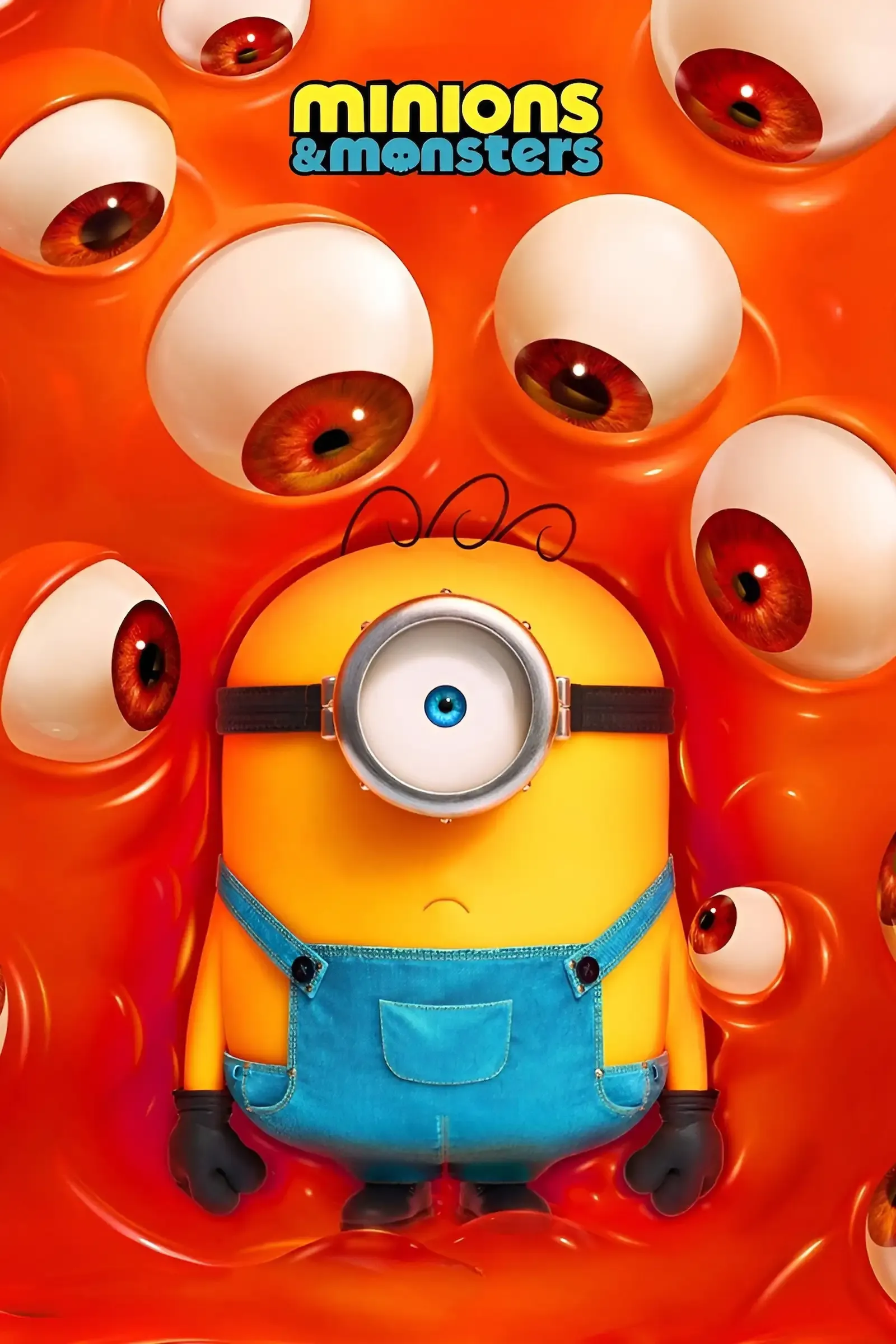
Let’s get the obvious question out of the way first: no, you don’t need to have seen the other Minions movies to enjoy this one. You barely need to have seen a movie at all. Illumination’s entire business model rests on that premise, and nobody has ever accused them of making films for cinephiles.
Which is exactly why Minions & Monsters is such a strange and unexpectedly charming anomaly in the studio’s catalog. The movie currently sits at 88% on Rotten Tomatoes — a score that puts it above every other Illumination film, including the original Despicable Me, which until now held the crown at 80%. For context, The Super Mario Bros. Movie scraped 57%, and the first Minions film bottomed out at 55%. An Illumination movie with an 88%? That’s not a typo. That actually happened.
A Prequel Nobody Asked For That Somehow Works
The elevator pitch sounds like a dare: what if we sent the Minions to 1920s Hollywood and made them stumble through the silent film era? It’s a prequel to Despicable Me and a direct sequel to Minions: The Rise of Gru, but the timeline doesn’t matter. The Minions are essentially immortal cartoon creatures who exist outside the normal rules of continuity, and the film knows this. It treats Hollywood history the way Once Upon a Time in Hollywood treated the Manson murders — with affectionate, revisionist mischief.
The plot, such as it is, follows the yellow creatures as they accidentally become silent film stars, bumbling through the transition to talkies and crossing paths with thinly-veiled versions of Chaplin, Keaton, and the early studio moguls. There’s a subplot involving a rival monster actor (voiced with gravelly menace by Jeff Bridges) who sees the Minions as a threat to his career, and a studio head played by Allison Janney who is the best thing in the movie that isn’t yellow and cylindrical.
The Voice Cast Is Stacked
Pierre Coffin still voices the Minions themselves — a performance that requires him to produce a range of gibberish sounds that have somehow become a globally recognized language. But the supporting cast is where the film flexes. Trey Parker leans into his Team America mode as a self-important director who can’t decide if the Minions are geniuses or pests. Christoph Waltz, whose voice was built for animated villainy, plays a theater critic with a Viennese accent and a vendetta. Jesse Eisenberg shows up as a nervous screenwriter.
The real discovery is Zoey Deutch, who voices a silent film actress navigating the shift to sound — her scenes have the most emotional weight in a film that otherwise treats sentiment like a suggestion rather than a requirement. Phil LaMarr and Bobby Moynihan round out the ensemble with comedic timing that lands more often than it misses.
The Hollywood Homages Are Genuine, Not Parodic
What separates Minions & Monsters from Illumination’s usual pop-culture-reference-machine approach is that the film clearly loves the era it’s depicting. The slapstick sequences are choreographed with the precision of Buster Keaton — a comparison I don’t make lightly. The production design recreates silent film sets, early Hollywood backlots, and nickelodeon theaters with obsessive detail. There’s a sequence where the Minions accidentally invent synchronized sound that’s both technically clever and genuinely funny in a way that doesn’t rely on fart jokes.
Not that the film is above fart jokes. This is still Illumination. But the ratio of clever-to-gross has shifted significantly toward clever, which is either a sign of artistic growth or a statistical anomaly in a 15-year catalog.
Does It Need to Exist?
The honest answer is no. Nobody was clamoring for the origin story of how the Minions got to Hollywood, and the film doesn’t pretend otherwise. It’s not essential cinema. It’s not even essential Illumination. But it’s a pleasant, well-crafted 90 minutes that respects the intelligence of kids without boring their parents — a bar that sounds low but that so many animated films still fail to clear.
The 88% Rotten Tomatoes score might be slightly inflated by low expectations. Critics grading on the Illumination curve is a real phenomenon — a film that’s “shockingly not terrible” gets bonus points that a Pixar film with the same script wouldn’t. But that’s fine. Minions & Monsters doesn’t need to be a masterpiece. It just needed to be good enough to make you forget you’re watching a cash-grab spinoff from a franchise about banana-obsessed pill-shaped creatures. On that front, it delivers.
Rating: 3.5/5 stars
Minions & Monsters is now playing in theaters nationwide.
Share This Article
Comments