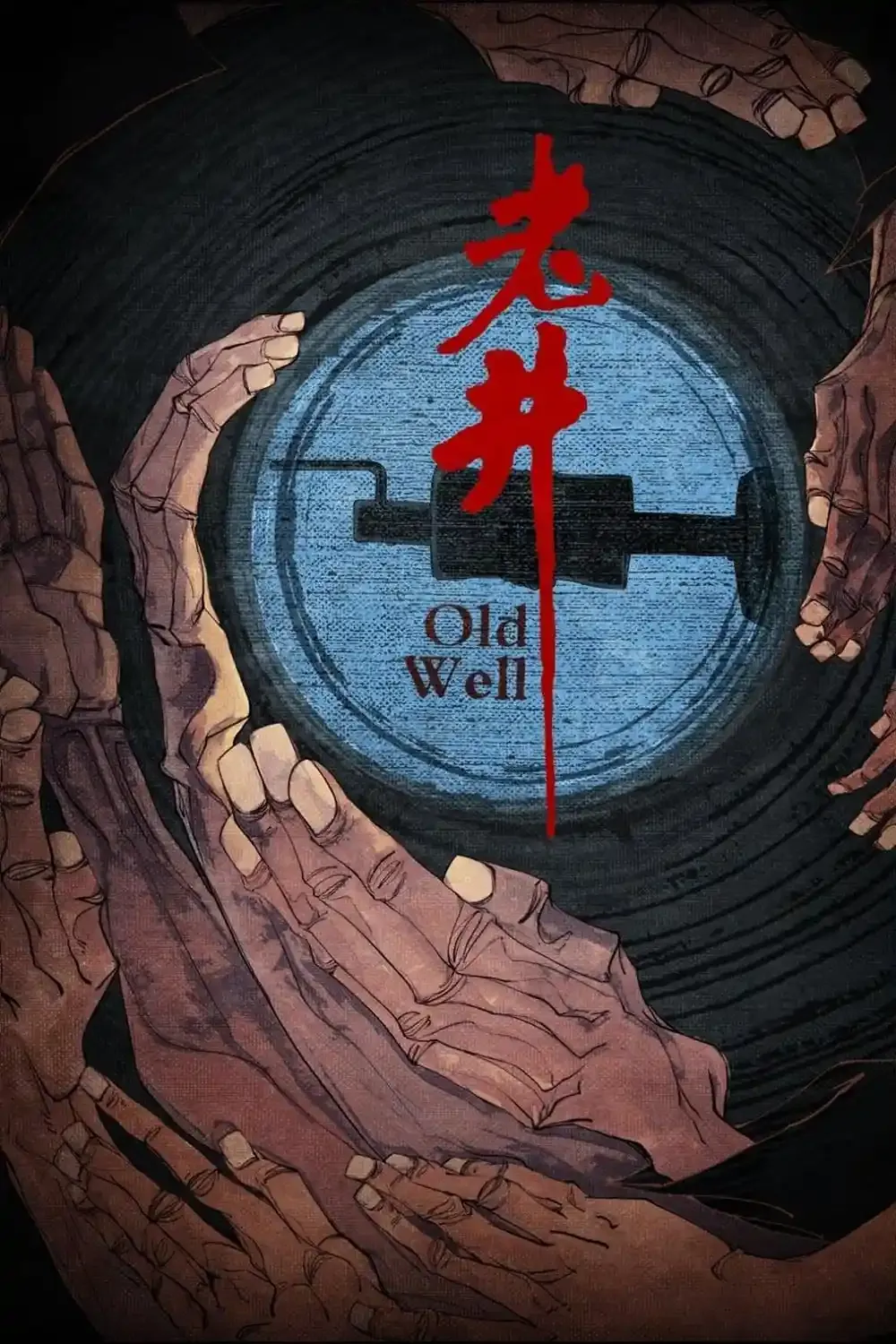
Old Well (1987): Zhang Yimou's Star Turn as a Village Searching for Water
Wu Tianming's rural drama won the Tokyo Grand Prix and launched Zhang Yimou's acting career. A film about digging for water becomes a meditation on sacrifice, tradition, and the cost of community.
Editorial Notes
Anna edits BucketMovies criticism and essay packages, with a steady interest in classic Hollywood, literary adaptations, and repertory programming.
Leah Carter
Research Editor
Leah handles source checks, release-date verification, awards coverage, and the reporting framework behind BucketMovies news and industry pieces.
Before Zhang Yimou became the most internationally famous Chinese director, he was an actor. In Old Well, directed by his mentor Wu Tianming, Zhang plays Sun Wangquan—a village intellectual trapped between tradition and modernity, between two women, between his own desires and his community’s desperate need.
It’s a remarkable performance in a remarkable film, and watching it now, knowing what Zhang would become, adds a strange resonance. This is the artist before the art—raw, hungry, channeling everything into a single role.
The Village Without Water
The film is set in Laojing Village—a community in the mountains of Shanxi Province where water has been scarce for generations. The villagers have been digging wells for centuries, always failing. Men have died in collapsed shafts. The search has become almost religious, a ritual of perpetual hope and perpetual failure.
Sun Wangquan has been educated—he’s the village’s “intellectual,” able to read and write, to understand geology. The elders believe he might be the one to finally find water. But Wangquan has his own plans: he wants to leave, to pursue education, to escape the cycles of poverty and tradition.
This tension—between individual aspiration and communal need—drives the film.
Zhang Yimou as Actor
Zhang trained as a cinematographer, not an actor, but his Wangquan is deeply felt. He plays the character with physical intensity—the labor of well-digging, the frustration of constraint, the longing for something beyond the village.
| Aspect of Performance | What Zhang Brings |
|---|---|
| Physical labor | Real exhaustion, authentic movement |
| Intellectual frustration | The weight of knowing more than he can use |
| Romantic longing | Restraint that suggests depth |
| Moral conflict | No easy resolution |
The famous scene of Wangquan trapped in a collapsed well shaft, slowly dying, only to be rescued at the last moment—Zhang plays this as rebirth rather than simple rescue. The man who emerges is changed, committed finally to the community he tried to escape.
The Two Women
Wangquan is caught between two women:
Qiaoying (Liang Yujin) is from a poor family. She loves Wangquan, but marrying her would bind him forever to the village—her family’s poverty would become his responsibility.
Xifeng (Lü Liping) is a widow from a slightly better-off family. Marrying her would bring resources to the well-digging project. It would also mean accepting the village’s traditional logic: marriage as economic arrangement, love as luxury.
Wu Tianming refuses to make this choice easy. Both women are sympathetic. Both choices are understandable. The tragedy isn’t that Wangquan chooses wrong—it’s that there’s no right choice, only different kinds of sacrifice.
Wu Tianming: The Sixth Generation Godfather
Wu Tianming was head of the Xi’an Film Studio during the 1980s—the period when Fifth Generation filmmakers like Chen Kaige and Zhang Yimou were making their first works. He green-lit their projects, protected them from censors, gave them resources to experiment.
Old Well shows why he was respected as a director in his own right. The film balances artistic ambition with accessibility, political content with human drama. It’s not as visually radical as Yellow Earth, but it’s more emotionally direct—a film that could reach audiences beyond film festivals.
The water-search premise carries obvious metaphorical weight: a society digging for something essential, sacrificing generations in the attempt. But Wu never makes the metaphor heavy-handed. The village feels real. The labor is real. The thirst is real.
The Well-Digging Sequences
Filming underground poses a considerable technical challenge, and Wu meets it with documentary-like intensity. We’re in the shafts with the diggers, feeling the claustrophobia, the danger, the backbreaking rhythm of work.
When walls collapse, it’s genuinely terrifying. When water finally appears—a trickle at first, then a flow—the release is cathartic in ways no speech could achieve.
This is filmmaking that trusts physical reality to carry meaning. The well isn’t a symbol; it’s a well. The water isn’t a metaphor; it’s water. And the human beings searching for it are just that: human beings, trying to survive.
The Ending: Sacrifice Accepted
⚠️ Spoiler Warning: Discussion of the ending follows.
Wangquan marries Xifeng—the practical choice, the choice that serves the community. He continues leading the well-digging project. Water is finally found.
But the victory is bittersweet. Qiaoying, the woman he loved, is gone—married off to another village. His education, his dreams of escape, are surrendered. He becomes what the village needed him to be: a leader, a sacrificer, a man who gave up his individuality for his community.
Is this triumph or tragedy? Wu leaves it ambiguous. The water flows. The village survives. The individual is subsumed. This is Chinese collectivism at its most complex—neither celebrated nor condemned, simply shown.
International Recognition
Old Well won the Grand Prix at the Tokyo International Film Festival in 1987, bringing serious Chinese cinema to international attention. Zhang Yimou won Best Actor at the same festival—launching the career that would include Red Sorghum, Raise the Red Lantern, and eventually Hero and the Beijing Olympics opening ceremony.
The film also won multiple Chinese Golden Rooster Awards. This showed that critical ambition could coexist with domestic success—at least for a moment, before commercial pressures transformed Chinese cinema.
My Rating: 8/10
What works:
- Zhang Yimou’s committed, physical performance
- The well-digging sequences are visceral
- The romantic triangle avoids easy resolution
- Wu Tianming’s direction balances art and accessibility
- Water as literal and metaphorical goal
What doesn’t:
- Pacing can feel slow in the middle
- Some supporting performances are uneven
- The politics are specific to Chinese context
If You Liked This, Try:
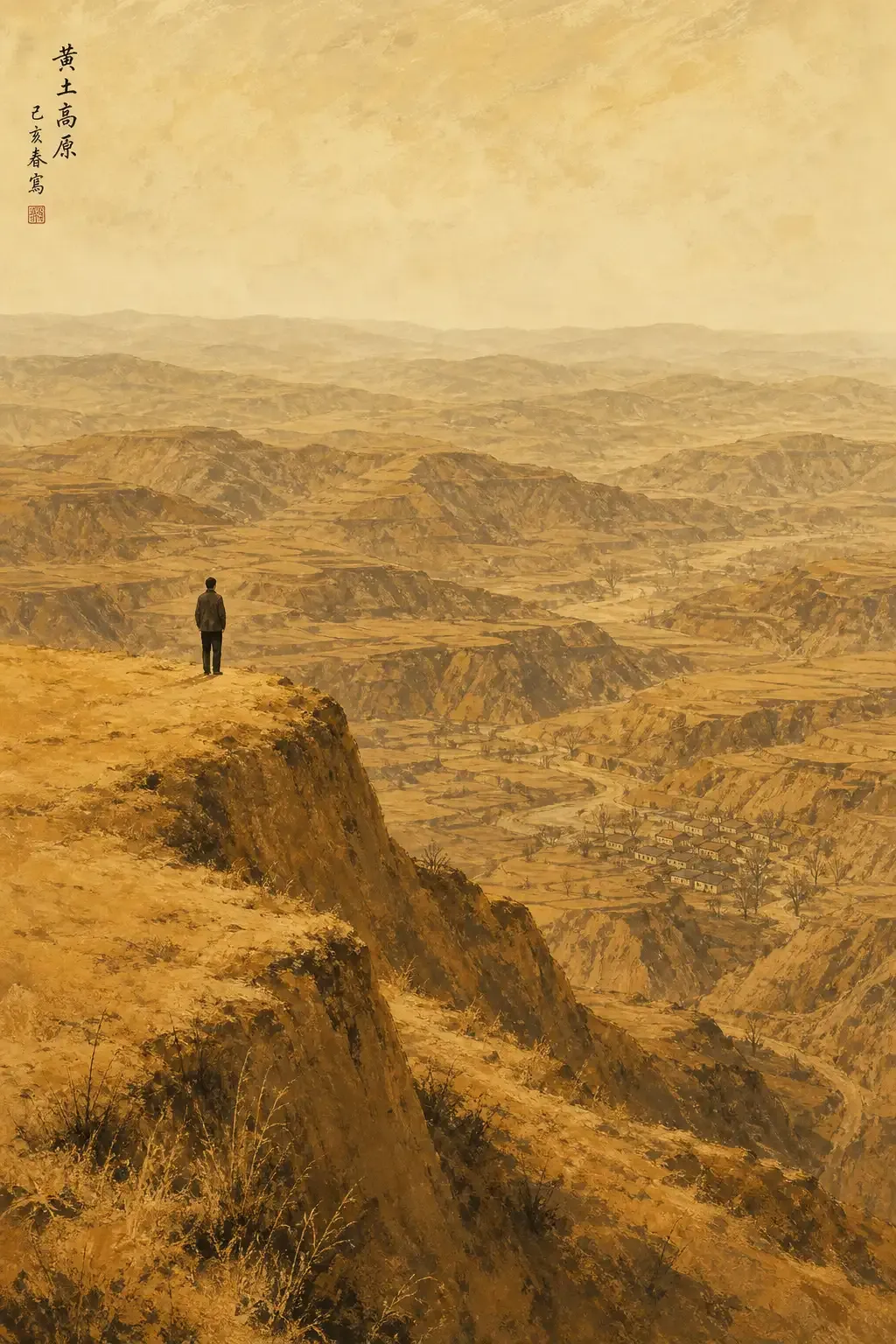
- Yellow Earth (1984) — Zhang Yimou as cinematographer
- Red Sorghum (1987) — Zhang’s directorial debut, released the same year
- The Story of Qiu Ju (1992) — Zhang directing a woman’s persistence
- Platform (2000) — Jia Zhangke’s later rural/urban divide
- Still Life (2006) — Another film about Chinese communities and water
Old Well is a film about what we sacrifice for belonging. Sun Wangquan could have left—could have pursued education, individual fulfillment, a life beyond the village. Instead, he stayed. He dug. He found water.
Was it worth it? The film doesn’t say. The water flows. The community survives. The individual is remembered as the one who finally succeeded where generations failed.
Sometimes that’s the only immortality available.
References
- Wu, Tianming. Director interviews, Xi’an Film Studio archives
- Zhang, Yimou. Acting career retrospective, Chinese Film Quarterly
- Berry, Michael. A History of Pain: Trauma in Modern Chinese Literature and Film
- Tokyo International Film Festival archives, 1987
- Golden Rooster Awards records, 1988
Share This Article
Comments