'Wuthering Heights' 2026: The Most Controversial Film Adaptation in Years
Emerald Fennell's new adaptation starring Margot Robbie and Jacob Elordi has sparked fierce debate. We examine why this 'version' of Emily Brontë's classic has divided audiences and critics so dramatically.
Editorial Notes
Michael works on director studies, international cinema features, and discovery-focused list packages built around film history.
Anna Price
Editor-in-Chief
Anna edits BucketMovies criticism and essay packages, with a steady interest in classic Hollywood, literary adaptations, and repertory programming.
Introduction
When Emerald Fennell announced she would adapt Wuthering Heights, reactions were immediate and intense. The writer-director behind Promising Young Woman and Saltburn had built a reputation for provocative, challenging cinema. But Wuthering Heights? Emily Brontë’s 1847 Gothic romance is considered one of the greatest novels in English literature.
The release of Fennell’s version has ignited what may be the most contentious literary adaptation debate in years. The film opened at number one at the Valentine’s Day weekend box office, yet critical reception has been savage. Audiences are polarized. Online discourse has been relentless.
This is not simply a case of a film being poorly received. It is a fundamental debate about what adaptation means, who has the right to reinterpret classics, and whether artistic vision trumps fidelity to source material.
In this feature:
- What makes this adaptation different
- The controversy explained
- Critical and audience reactions
- What this means for future literary adaptations
- The broader cultural context
What Is This Film?
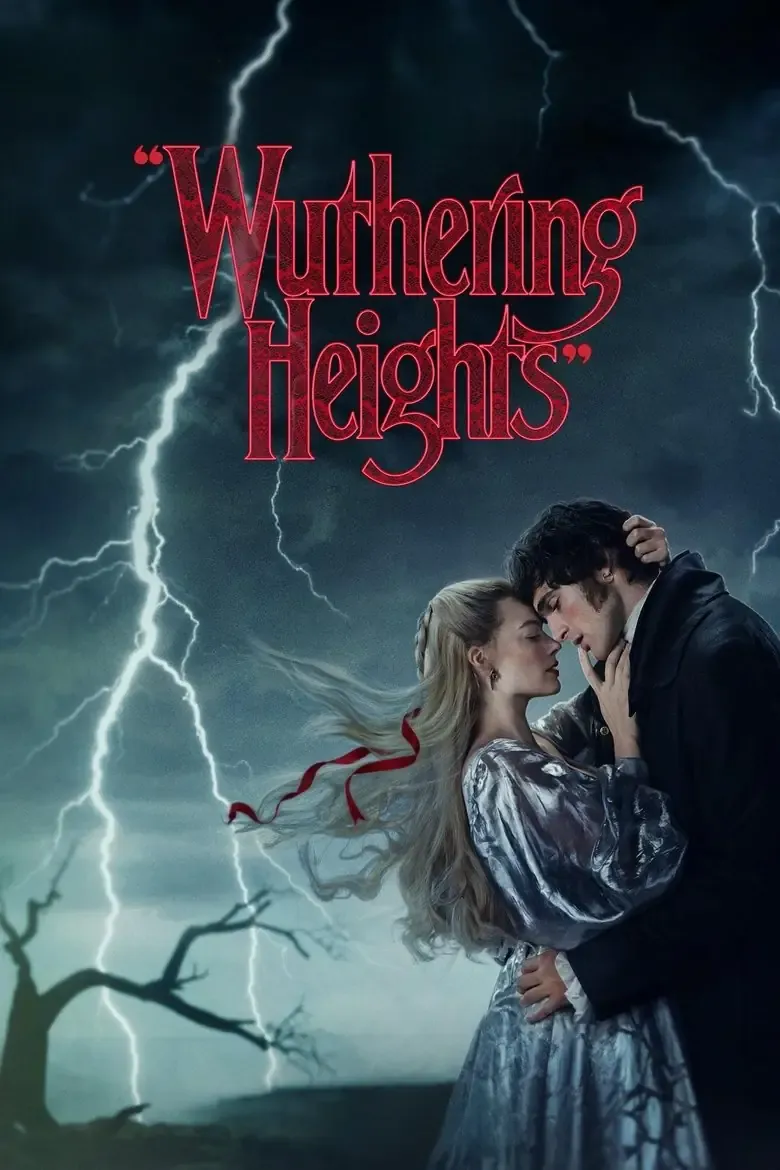
Emerald Fennell’s Wuthering Heights is a reimagining of Emily Brontë’s novel, starring Margot Robbie as Catherine Earnshaw and Jacob Elordi as Heathcliff. The film takes significant liberties with the source material, leading Fennell herself to place the title in quotation marks: “Wuthering Heights.”
The film is not marketed as a direct adaptation. It is described as Fennell’s “version” of the story, inspired by her personal reading experience and imagination. This distinction has become central to the controversy.
Key specifications:
| Specification | Details |
|---|---|
| Release Date | February 13, 2026 |
| Director | Emerald Fennell |
| Writer | Emerald Fennell |
| Starring | Margot Robbie, Jacob Elordi |
| Studio | Warner Bros. |
| Runtime | TBA |
| Box Office | $11 million (Opening Day) |
The Controversy Explained
The Changes
Fennell’s adaptation makes several significant changes to Brontë’s novel:
The Ending: Perhaps the most jarring departure is the altered conclusion. Without spoiling specifics, the ending diverges significantly from the source material, leading to accusations that Fennell misunderstood or intentionally subverted the story’s themes.
The “Skin Room”: One of the film’s most-discussed sequences involves a literal “skin room” created from visuals of Margot Robbie’s actual skin. This surreal, disturbing image has divided viewers and been criticized as gratuitous by many critics.
Reduced Characters: The character of Isabella Linton is significantly limited in the film. In the novel, Isabella’s storyline provides crucial context for Heathcliff’s revenge and the generational tragedy of the story.
Casting: Jacob Elordi’s casting as Heathcliff drew criticism before release, with some arguing the Australian actor was miscast as the iconic Byronic hero.
Fennell’s Response
Fennell has been vocal about her approach. In interviews, she has stated:
“You can’t adapt a book as dense and complicated and difficult as this book. I can’t say I’m making Wuthering Heights. It’s not possible. What I can say is I’m making a version of it.”
She further explained:
“There was a version I remembered reading that isn’t quite real. And there’s a version where I wanted stuff to happen that never happened. So it is Wuthering Heights, but it isn’t.”
This frank admission that she is not attempting fidelity to the source has fueled the debate. Some praise her honesty; others argue it is a convenient excuse for a poor adaptation.
Critical Reception
The film has received predominantly negative reviews from critics, though audience reactions are more mixed.
Critical Consensus
“Fennell has channelled her creative instincts into a disturbing exercise in pointless destruction.” — Lara Brown, The Spectator
“The hostility has been relentless.” — Nicholas Barber, BBC Culture
“Whatever Wuthering Heights’ soul is made of, Emerald Fennell’s and Emily Brontë’s are not the same.” — E! News
Critics have focused on several issues:
- The departures from the novel’s themes
- The perceived gratuitous imagery
- The failure to capture the original’s emotional depth
- The sense that changes were made for shock value rather than artistic purpose
Audience Reactions
Audiences have responded more warmly than critics. The film’s opening weekend box office ($11 million domestic) suggests general audiences are drawn to the film despite its controversies.
Online, debates rage. Some viewers appreciate the bold reimagination. Others feel betrayed by what they see as a betrayal of a beloved classic. The film has become a Rorschach test for views on adaptation and artistic license.
The Deeper Debate
Fidelity vs. Interpretation
This controversy taps into a fundamental question: what obligation does an adaptor have to the source material?
Traditionists argue that classics deserve respect. Changing a beloved story, especially one as significant as Wuthering Heights, is presumptuous. The adaptor should serve the original, not impose their vision upon it.
Proponents of creative adaptation argue that great works have always been reinterpreted. Every generation brings new perspectives to literature. Shakespeare was adapted constantly in his own era and continues to be reimagined today.
The Auteur vs. The Source
Fennell is a distinctive filmmaker with a clear vision. Her previous films (Promising Young Woman, Saltburn) were divisive but acclaimed for their willingness to challenge audiences. Her approach to Wuthering Heights is consistent with her body of work.
The question becomes: is a famous novel the right material for a personal auteur vision? Or does the novel’s cultural significance mean it belongs to something larger than any single filmmaker?
Who Gets to Tell Stories
There is a broader context to this debate. Questions about who has the right to tell certain stories have become more prominent in recent years. Fennell’s casting and interpretation have drawn scrutiny that might not follow a male director or a less culturally significant source material.
This does not mean the criticism is invalid. But it is worth noting that the debate about Wuthering Heights exists within larger conversations about authorship, representation, and cultural ownership.
The Film’s Merits
Despite the controversy, the film has defenders. Some critics and viewers have praised:
Visual Ambition
The film is visually striking. Fennell brings her distinctive visual sensibility to the material, creating haunting images that linger in memory. The cinematography and production design have been consistently praised.
Performance Quality
Robbie and Elordi have their supporters. Despite initial skepticism about Elordi’s casting, some argue his performance brings something new to the character. Robbie, as always, is committed and watchable.
Emotional Authenticity
Some argue the film captures the obsessive, destructive nature of the original love story, even if it diverges from specifics. The emotional core, they argue, remains true.
Historical Context
Wuthering Heights has always generated strong reactions. The novel itself was controversial when published. Emily Brontë’s sister Charlotte originally defended it against critics who found it disturbing.
The novel has been adapted many times:
- 1939: Classic film starring Laurence Olivier and Merle Oberon
- 1970: Television adaptation
- 1992: Film starring Juliette Binoche and Ralph Fiennes
- 2009: BBC miniseries with Charlotte Riley and James Howson
Each adaptation has made choices that departed from the source. Each generated some controversy. But none have sparked debate as intense as Fennell’s version.
What This Means for Film
The Future of Literary Adaptation
This controversy will likely influence how studios approach literary adaptations. The success (or failure) of Wuthering Heights will be studied closely. Will it encourage bold reinterpretations or push studios toward safer, more faithful approaches?
The Director-Driven Era
Filmmakers like Fennell, Greta Gerwig (Barbie), and others have brought auteur sensibilities to major studio productions. This film represents one of the most significant tests of whether personal vision can coexist with beloved intellectual property.
The Audience Question
The disconnect between critical and audience response highlights something important: general audiences may be more open to reinterpretation than critics. This has implications for how we evaluate adaptations.
Conclusion
Wuthering Heights (or “Wuthering Heights”) is unlikely to resolve its controversy. The film is too divided for consensus. What it does accomplish is spark necessary conversations about adaptation, authorship, and the boundaries of artistic interpretation.
Whether you love it or hate it, the film represents something worth examining. That is more than most releases achieve.
The question is not whether Fennell’s version is “good.” It is what we want adaptations to do, and whether space exists for radical reimagination of our most treasured stories.
Where to Watch
Wuthering Heights (2026) is now playing in theaters worldwide.
Related reading:
- The History of Wuthering Heights Adaptations
- Emerald Fennell: A Director Profile
- Understanding Film Adaptation Theory
What do you think? Is Emerald Fennell’s version a legitimate artistic reinterpretation or a betrayal of the original? Join the conversation in the comments.
Share This Article
Comments