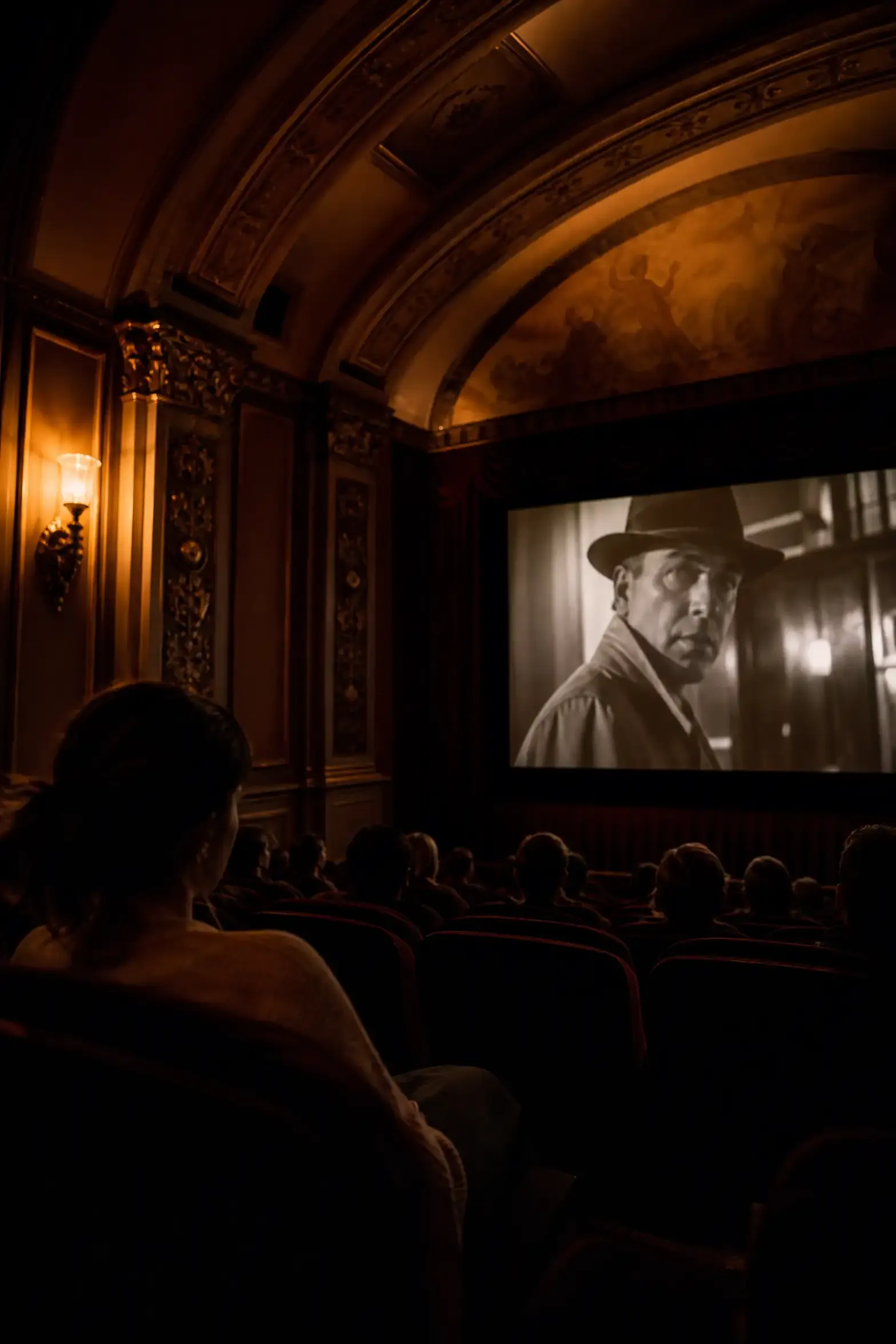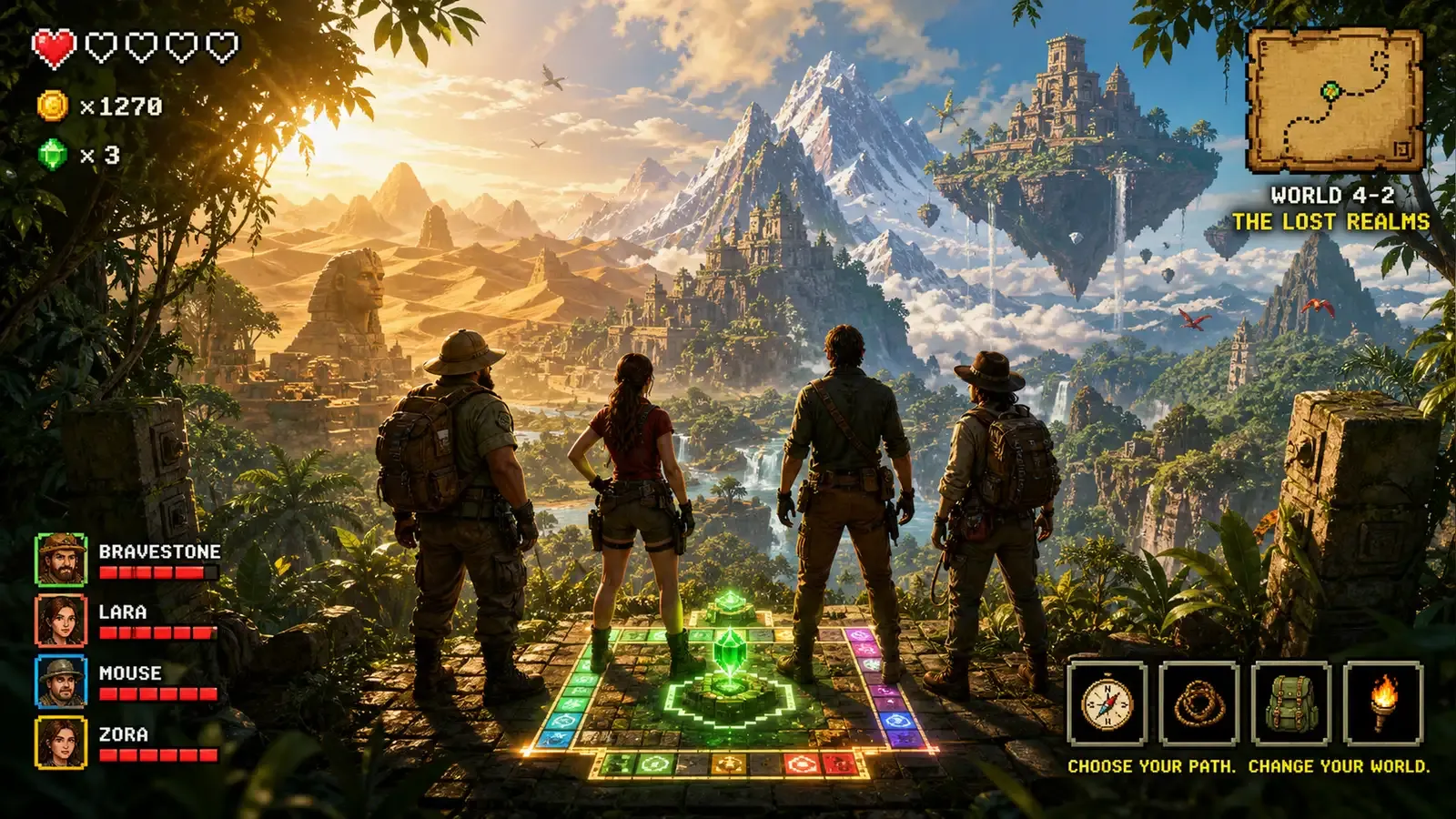
Disclosure Day and Masters of the Universe Bombed in Theaters. Streaming Might Save Them.
Spielberg's alien thriller and Amazon's He-Man reboot both flopped at the summer box office. Now that they're hitting streaming, they might finally find the audiences that theaters couldn't deliver.
Editorial Notes
BucketMovies Editorial covers classic cinema, repertory discoveries, and context-rich film criticism with an emphasis on source-backed reporting and careful editorial review.
Two of this summer’s most expensive gambles arrived on streaming this week. One of them was directed by Steven Spielberg. The other features Jared Leto in skull face paint wielding a Havoc Staff. Both lost money in theaters. Both now sit one click away on your TV, hoping you’ll give them the chance the box office didn’t.
I watched both over the weekend. What surprised me wasn’t that they were better than their numbers suggested. It was that the numbers feel like they’re answering the wrong question.
Disclosure Day: Spielberg Tries Blockbusters Again, Nobody Shows Up
Disclosure Day has all the parts of a Spielberg movie you’d recognize from the 1990s and early 2000s. A paranoid conspiracy. A normal person caught in something too big to understand. Government agents in dark SUVs chasing someone who knows too much. Emily Blunt and Josh O’Connor as the two people holding the match near the powder keg.
The plot: O’Connor plays Daniel Kellner, a cybersecurity expert who steals files proving the existence of alien life. He needs someone with a platform to broadcast them to the world before the government buries them forever. Enter Blunt as Margaret Fairchild, a TV meteorologist who becomes his unlikely broadcast partner — not because she’s a hero, but because she’s the only person who believes him. Colin Firth, Colman Domingo, and Eve Hewson round out a cast that would sell out any drama at Sundance, while Wyatt Russell does exactly the kind of government-agent-with-a-conscience role he’s been perfecting since Lodge 49.
The film opened June 12 to solid reviews. An 80% Rotten Tomatoes score, praise for Blunt’s performance, appreciation for Spielberg’s optimistic stretch after years of darker material. David Koepp wrote the screenplay — the same Koepp who wrote the first Jurassic Park and the first Mission: Impossible, a guy who knows how to make a blockbuster move.
It earned $232.9 million worldwide. Against a $195 million production and marketing budget, that’s profit-margin territory. But the domestic numbers told a different story. Theaters shed screens week after week. The audience that once made Spielberg the most reliable name in Hollywood didn’t turn out.
Variety ran the autopsy. Spielberg, they pointed out, spent the last decade making adult dramas — Bridge of Spies, The Post, The Fabelmans. The 20-year-olds buying tickets this summer were four years old when Lincoln came out. They’ve grown up on YouTube filmmakers like Kane Parsons, whose Backrooms series built an audience of millions without a single theatrical release. To them, Spielberg is a name in a film history textbook, not a reason to leave the house.
That’s a sobering thought if you’re Universal. It’s also a strange one if you actually watch Disclosure Day. The craft is there. The pacing is there. The movie works. It just works for an audience that seems to have moved on.
Masters of the Universe: $200 Million for a Franchise Nobody Was Asking For
If Disclosure Day is a good movie that lost money, Masters of the Universe is a more complicated story. Travis Knight directed it. Knight made Kubo and the Two Strings, one of the best animated films of the last decade, and Bumblebee, the only live-action Transformers movie most critics actually liked. The guy knows spectacle with soul.
The cast is absurdly stacked. Nicholas Galitzine as He-Man. Jared Leto as Skeletor — and if there’s anyone who can commit to screaming in skull makeup for two hours, it’s Leto. Camila Mendes as Teela. Idris Elba as Man-at-Arms. Alison Brie, James Purefoy, Morena Baccarin filling out a fantasy world that Mattel first sold as action figures in 1982.
Amazon MGM spent $200 million making it. It opened June 5 at number two, behind Scary Movie, with a $29.3 million domestic weekend. Final global tally: $113 million. That’s a loss you can’t spin.
The movie’s production history should have been a warning. It bounced between Netflix, Warner Bros., and Sony before Amazon bought the rights in 2024. The script went through David Callaham, then Aaron and Adam Nee, before landing with Chris Butler. That many hands on a screenplay usually means one of two things: a masterpiece nobody could crack, or a project nobody could agree on. The result lands somewhere in between.
I watched Masters of the Universe the night it hit Prime Video. It’s not a bad movie. Knight stages action with real spatial clarity, and Galitzine does something unexpected with He-Man — he plays him as earnest, not ironic. In a landscape where every blockbuster winks at the camera to prove it’s in on the joke, a sword-and-sandal fantasy that means it is almost refreshing. The earnestness is the movie’s best quality and also its biggest commercial liability. Audiences in 2026 don’t know what to do with a hero who says “I have the power” and isn’t being sarcastic about it.
The problem is scale. Masters of the Universe cost $200 million because that’s what you spend when you’re launching a franchise — you’re not just paying for one movie, you’re building a universe that has to support three more. But the movie never justifies that price tag. The world of Eternia feels oddly contained, like a video game where you can see the edge of the map. For a story about a planet at war, it spends a surprising amount of time in throne rooms and caves, and the kind of sweeping fantasy landscape shots that make Lord of the Rings feel vast are mostly absent.
The Streaming Afterlife
Both movies are now on digital. Disclosure Day landed on PVOD last week. Masters of the Universe hit Prime Video on July 22. The window between theatrical release and home viewing keeps shrinking — Disclosure Day took about five weeks, Masters of the Universe about seven. Five years ago that would have been unthinkable for a Spielberg film.
The thing is, streaming might be where these movies were always meant to live. Disclosure Day is exactly the kind of movie people say they want to see in theaters but actually watch on a Tuesday night after scrolling through options for 20 minutes. It’s smart, it’s well-made, it’s two hours of Spielberg doing what Spielberg does. On a 65-inch screen with takeout on the coffee table, that’s a great evening.
Masters of the Universe is more of a gamble. It’s the kind of movie that benefits from the low stakes of streaming — nobody paid $18 to be disappointed. They clicked a button. The bar is lower. And in that context, Knight’s earnest fantasy epic might find the audience that wasn’t willing to risk a Friday night on it.
What the Summer Box Office Actually Tells Us
It’s easy to look at Disclosure Day and Masters of the Universe and declare another season of Hollywood failure. The numbers don’t support that. According to Rentrak data cited by Variety, domestic ticket sales are up 10 percent from 2025. The summer season is on track to cross $4 billion for the first time since the Barbenheimer summer of 2023. People are going to theaters. They’re just being pickier about what they see.
The movies that worked this summer share a pattern. Michael, the Michael Jackson biopic, crushed expectations because it gave audiences a story they already knew and a soundtrack they could hum on the way out. The Odyssey connected because Christopher Nolan’s name still means something, and the Rotten Tomatoes audience score hit a record for his filmography. Familiarity, nostalgia, event status — those sold tickets.
Disclosure Day had Spielberg’s name but no existing IP. Masters of the Universe had IP but no urgency. Both movies asked audiences to take a chance on something they hadn’t seen before, or at least hadn’t seen in this form. And in a summer where every weekend offers a new must-see event, “take a chance” is a hard sell when the alternative is staying home and watching it in a month.
Where These Movies Fit
There’s a version of Disclosure Day that becomes a cult favorite. The ingredients are all there: a Spielberg movie that critics liked but audiences skipped, a premise that’s more interesting than the marketing made it look, a pair of lead performances that will age well. The movie isn’t Minority Report or Close Encounters — it’s not that tier — but it’s a solid, craftsman-level thriller from a director who can make this stuff in his sleep. In a few years, the narrative around it will probably soften. “Oh, Disclosure Day? That’s the one where Blunt and O’Connor have that scene in the broadcast studio. Yeah, that holds up.”
Masters of the Universe has a harder path. Amazon spent $200 million on a movie that needed to launch toys, sequels, spin-offs, probably a Skeletor prequel. None of that is happening now. What’s left is a standalone fantasy film with a committed lead performance and a director who clearly cared about the material. It’s not the He-Man movie anyone asked for in 1987, when the Dolph Lundgren version came out. It’s not the version Netflix almost made. It’s an odd, expensive, occasionally thrilling artifact of a moment when studios were willing to bet big on nostalgia without asking whether anyone under 35 actually had any.
I keep thinking about that Variety observation about Spielberg. The filmmaker who defined the blockbuster for two generations is now competing with creators who built their audiences on phones and laptops, one YouTube upload at a time. Disclosure Day cost $195 million. Kane Parsons made Backrooms for a fraction of that and reached an audience that probably overlaps with the one Spielberg was trying to reach. That’s not a failure of craft. It’s a shift in how audiences find the things they care about. A director’s name, even the most famous director’s name, doesn’t cut through the noise the way it used to.
None of this changes the balance sheets. Disclosure Day needed to be a hit to justify its cost, and it wasn’t. Masters of the Universe is a write-down. But as a viewer, the question isn’t whether these movies earned their budgets. It’s whether they’re worth your evening. For Disclosure Day, the answer is yes. For Masters of the Universe, it’s a cautious maybe — and on streaming, that might be enough.
Share This Article
Comments