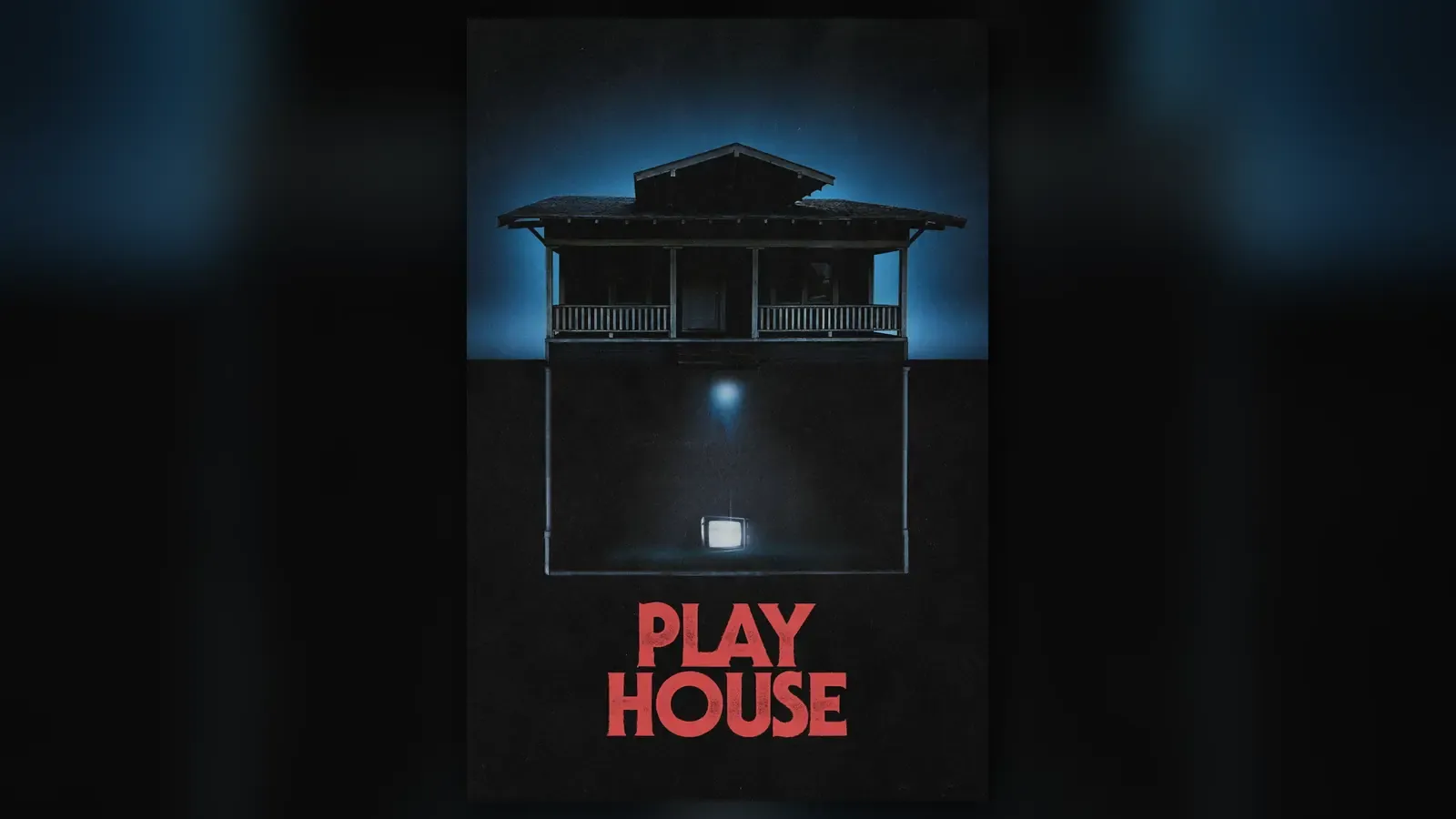
Play House: Why a $100,000 Horror Film Sold to Focus and Blumhouse
Focus Features and Blumhouse-Atomic Monster bought Nicolas Curcio's micro-budget horror film Play House in a seven-figure deal. What the film is about, how a pitch contest got it made, and what the sale says about low-budget horror.
Another tiny horror film has found a major home. Deadline reported on October 9, 2026, that Focus Features and Blumhouse-Atomic Monster acquired Play House, a micro-budget horror film from Nicolas Curcio, after a competitive bidding situation. The deal, according to Deadline’s sources, is in the seven figures for worldwide rights excluding Latin America and India. JoBlo and Bloody Disgusting followed with the same details. Deadline reported that Play House will open in theaters in 2027, with Universal Pictures International handling international distribution.
Our angle: the $100,000 budget is the headline, but the route matters more. This film did not come from a viral YouTube channel; it came out of a festival pitch contest that funded it, and that is a model other festivals can copy.
The film
Curcio wrote Play House with his wife and creative partner, Kirby Gladstein. Per Deadline, it follows Elliott (Will Harrison), who is renovating a dilapidated house to win back his ex when he discovers VHS tapes of an unaired children’s TV show that begin to seep into his life. Jessica Sula, Jordan Gonzalez and James Urbaniak co-star. It is Curcio’s debut feature, produced through Skinny Ghost, with Jason Blum among the executive producers.
Gladstein told Bloody Disgusting the idea came from living in South Pasadena, near dozens of abandoned houses bought for a freeway expansion that was planned in the 1950s and 1960s but never built: “we started to wonder what could have happened in these houses for this many decades.” The film taps into the current wave of “lost media” and analog horror. Bloody Disgusting noted that the handful of reviews on Rotten Tomatoes after its premiere were all positive.
How it got made
Curcio started the project in September 2025 after winning the inaugural Fantastic Pitches contest, a micro-budget genre initiative run by Alamo Drafthouse’s Fantastic Fest and the indie studio Chroma, which secured him funding and distribution. He returned to Fantastic Fest to premiere the finished film in September 2026. Before this, he had worked as a screenwriter: Deadline lists credits on Sony Pictures Animation’s GOAT, a 2019 Black List script called Barron, and development work for several studios. He also runs a screenwriting TikTok account with nearly 200,000 followers.
A film made for about $100,000
The headline detail is the budget. Deadline says Play House was made for not much more than $100,000 — roughly 13% of the reported budget of Curry Barker’s Obsession, another small horror film, which Deadline calls Focus’s highest-grossing film ever at more than $522 million worldwide. Even at the low end of “seven figures,” the sale price is roughly ten times what it cost to make. The exact deal amount wasn’t disclosed.
Why studios are buying micro-budget horror
Horror has always been the genre where small budgets can produce big returns. The Blair Witch Project (1999) and Paranormal Activity (2007) turned tiny budgets into global hits, and Blumhouse built its business on that model. What’s new is the pipeline: some filmmakers now build audiences through YouTube shorts and online series, as Barker did, giving studios evidence of demand before they buy. Others, like Curcio, come up through contests and genre festivals that fund small films directly. We looked at this trend in our piece on Obsession and the YouTube takeover of the box office, and in our analysis of YouTube directors reshaping Hollywood.
For a buyer, the math is attractive. A seven-figure acquisition plus a marketing campaign is a small bet compared with a studio production, and a breakout can earn many times that, as this October’s Other Mommy, made for about $19 million and opening to an estimated $27.5 million, shows at a larger scale.
Why Focus and Blumhouse-Atomic Monster
The pairing makes sense. Focus Features, Universal’s specialty label, was not historically a horror distributor, Deadline notes, apart from its work with Robert Eggers on Nosferatu and the upcoming Werwulf. After Obsession, it is expanding aggressively into the genre, and Barker’s follow-up, Anything but Ghosts, is dated for May 7, 2027. Focus and Blumhouse-Atomic Monster have also partnered on Josh Giuliano’s Occupant, following his TIFF horror debut River. Meanwhile, Blumhouse-Atomic Monster — the merger of Jason Blum’s company and James Wan’s — has unmatched experience marketing low-budget horror to a wide audience. Together they can give a tiny film a real theatrical release.
What we don’t know yet
No specific release date has been announced beyond the 2027 theatrical window, and the exact deal price wasn’t disclosed. We’ll update when Focus announces a date.
Why the pitch-contest route matters
Most micro-budget films are made first and sold later, which leaves the filmmaker carrying the risk. Fantastic Pitches turned that around: the winner received funding and a distribution path up front, then had about a year to make the film and bring it back to the same festival. That gives a small film three advantages it rarely has. It has a guaranteed premiere slot in front of genre critics and buyers. It has a backer, Chroma, with a stake in its success. And it has a festival brand attached before anyone has seen a frame.
The Play House team also had experienced help. Deadline notes that executive producers Adam Hendricks and Greg Gilreath of Divide/Conquer are the same producers who brought Obsession to Jason Blum. Curcio is also represented by 3 Arts, UTA and Jackoway Austen Tyerman, and he has partnered with Neon, A24 and Paramount to promote their films on social media. In other words, the budget was tiny, but the film did not arrive from nowhere.
For other festivals, the lesson is practical. A modest fund attached to a pitch contest can produce a film that a major distributor will pay seven figures for, and it creates a premiere the festival can claim as its own.
A short history of micro-budget horror hits
Play House follows a well-worn path from tiny budget to major distributor:
- Night of the Living Dead (1968), made for about $114,000, defined the modern zombie film.
- The Blair Witch Project (1999), shot for around $60,000, earned about $248 million worldwide after its acquisition by Artisan at Sundance.
- Paranormal Activity (2007), made for about $15,000, was bought by DreamWorks and Paramount and earned nearly $200 million, launching a franchise and establishing Blumhouse.
- Terrifier (2016) and its sequels grew from tiny budgets into independent box office successes.
- Skinamarink (2022), made for about $15,000, became a viral sensation and was released by Shudder and IFC.
These films share a few traits: a simple, marketable premise, a single location or minimal cast, and a distinct stylistic hook.
Why horror is the right genre for this
Horror can work without stars or expensive effects. Fear comes from sound, editing and suggestion, which cost little. Audiences are also willing to take a chance on unknown filmmakers if the trailer or premise is compelling. Blumhouse built its model on this: keep budgets low, give directors creative control, and let one hit pay for many experiments. The 2026 success of Obsession, which Box Office Mojo shows earning about $263 million domestically and Deadline puts above $522 million worldwide, has made studios even more eager to find the next breakout.
What audiences can expect
Deadline reports a 2027 theatrical release, but no specific date. Acquisitions like this often lead to a release within a year, sometimes after additional sound and post-production work funded by the buyer.
How festival and market sales work
Most independent films are sold through sales agents (Play House was represented by Narrative Distribution), who show them to distributors at festivals such as Sundance, Toronto, SXSW and Fantastic Fest, or at markets such as the American Film Market. Deals usually cover particular territories — the reason Deadline specified that the Play House deal excludes Latin America and India, where rights may be sold separately. “Seven figures” means at least $1 million, which for a film made for around $100,000 is a large return before a single ticket is sold.
Buyers pay these sums because the upside is large. A distributor that acquires a micro-budget film for a few million dollars can still spend considerably more on marketing — prints and advertising often cost more than the film itself — but a breakout horror hit can earn many times its total costs.
What happens next for filmmakers
A sale to a major distributor usually changes a director’s career quickly. After Paranormal Activity, Oren Peli became a producer on Insidious (2010); and Curry Barker’s YouTube following helped turn Obsession into a wide release. Nicolas Curcio’s next step will likely be watched closely by the same companies now backing Play House.
What it means for audiences
For horror fans, deals like this are good news: more original, filmmaker-driven work reaching theaters instead of only streaming. For aspiring filmmakers, Play House is another sign that a strong idea, executed cheaply, can still get noticed.
How this was compiled: deal, cast and production details come from Deadline’s report, with additional background from Bloody Disgusting’s Fantastic Fest interview and JoBlo; historical budgets and grosses come from Box Office Mojo. Bucket Movies has not seen the film. See how we work.
worth a spot on the list?
Reader notes
Join the discussion
No account needed — leave your take on this film below.
Add these to your list
Other Mommy Box Office: How an $18 Million Horror Film Won October Despite Bad Reviews
Universal and Blumhouse-Atomic Monster's Other Mommy, starring Jessica Chastain and directed by Rob Savage, opened at No. 1 with $27.5 million and passed $115 million worldwide despite a D+ CinemaScore. What it's about, how the run unfolded, and what it says about horror economics.
Clayface Box Office: DC's $24.5 Million Horror Experiment, Explained
Clayface opened at No. 1 with about $24.5 million in North America and $43 million worldwide. How the weekend unfolded, how it compares with DC and horror openings, and what the holds since then say about DC's mid-budget gamble.

Sense and Sensibility (2026) Review Roundup: Is Georgia Oakley's Austen Adaptation Worth Seeing?
Georgia Oakley's Sense and Sensibility, starring Daisy Edgar-Jones and Esmé Creed-Miles, opened Oct. 16 to mostly positive reviews. What critics said, the hairstyling debate, how it performed, how it compares with the 1995 film, and who should see it.
Nuisance Bear Is in Theaters After Its Critics Choice Win as Josephine Sets November 20
Nonfics says Nuisance Bear is in theaters after the Critics Choice science and nature prize. Josephine, a Sundance double prize winner, is dated for select theaters on November 20.
Loading comments...