Toy Story 5 Review: Pixar Delivers a Franchise-Defining Sequel That Tackles AI Head-On
Pixar's Toy Story 5 proves the 31-year-old franchise still has something to say — and it might just be its most emotionally honest entry since Toy Story 3.
Editorial Notes
Anna edits BucketMovies criticism and essay packages, with a steady interest in classic Hollywood, literary adaptations, and repertory programming.
The idea of a fifth Toy Story movie sounds like the kind of studio-mandated sequel no one asked for. And to be fair, it kind of is. But Toy Story 5 does something unexpected: it takes a premise that could have been a cynical cash grab and turns it into the most thoughtful film in the franchise since Toy Story 3 sent Woody and the gang to Bonnie’s room.
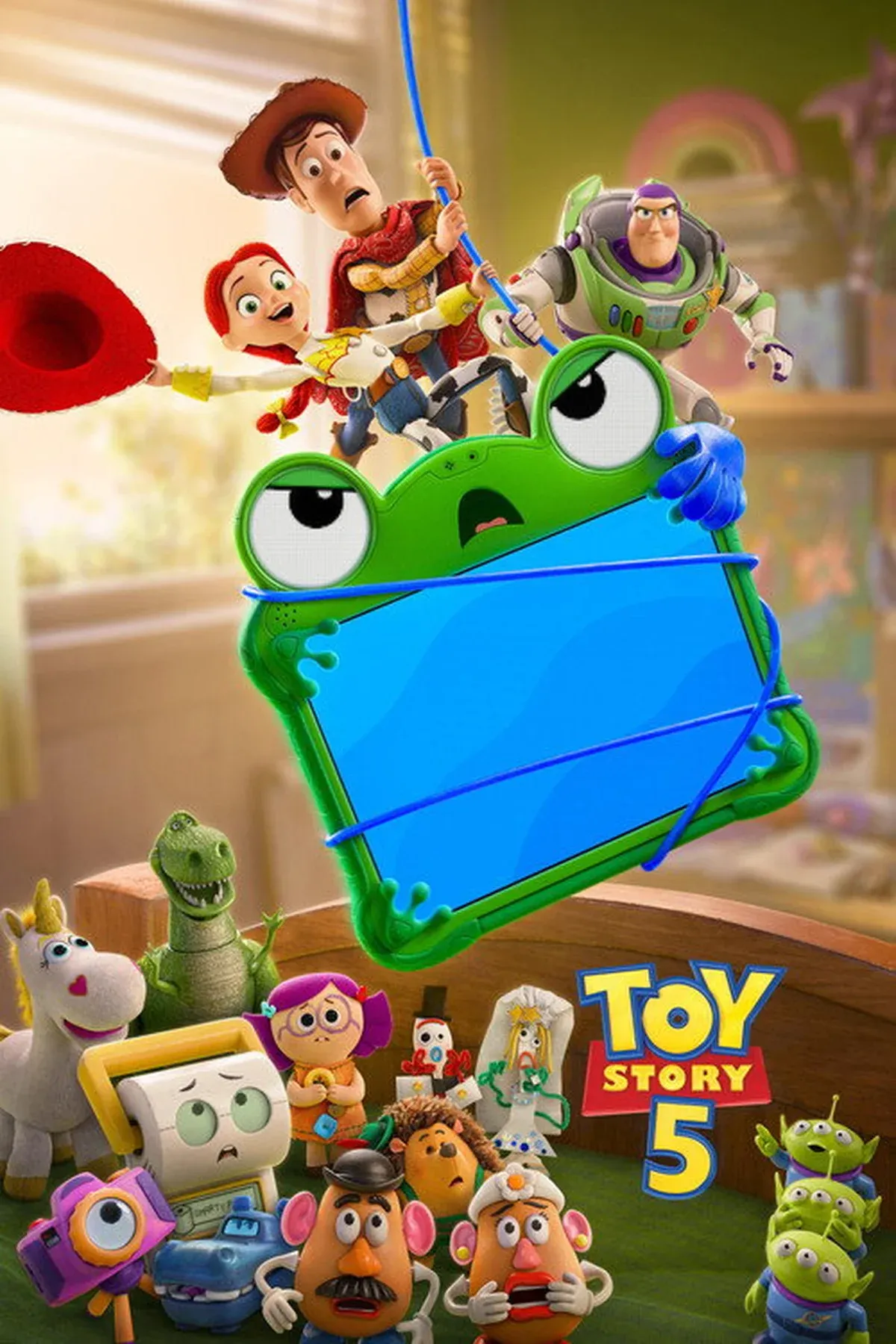
The movie’s central hook isn’t hard to guess from the trailers. A new generation of toys arrives — smart toys, connected toys, toys with actual artificial intelligence — and they start questioning whether the old pull-string, plastic-body way of life still matters. It’s a metaphor almost too on-the-nose for a movie about plastic figures having an existential crisis. But that’s also what makes it work.
The Plot Doesn’t Reinvent the Wheel
Toy Story 5 doesn’t break new structural ground. There’s a separation, a journey to reunite, a villain with a twisted philosophy about what toys are for, and a climactic escape sequence that somehow involves a conveyor belt (of course it does). If you’ve seen any Toy Story movie, you know the skeleton.
But the bones aren’t the point anymore. After five movies, the franchise has earned the right to lean on its formula, because the emotional machinery underneath still works.
What Makes It Click
The smart-toy angle could have been a lazy Black Mirror riff. Instead, the writers do something clever: they don’t make the AI toys villains. They make them confused. A toy that can learn, adapt, and converse doesn’t understand why it should pretend to be inanimate when a child isn’t looking. It asks — genuinely — why that rule exists. Woody has no good answer.
That conversation is the heart of the movie. Not the chase sequences. Not the Pixar-gorgeous animation of a toy warehouse at midnight (though that’s stunning). The real tension is between two philosophies of purpose: is a toy’s meaning tied to the child it belongs to, or can it define itself?
Tom Hanks and Tim Allen are back, and they sound exactly like you’d expect — which, in this case, is a compliment. These voices are worn-in comfort food, and the script gives them just enough new material to feel earned rather than recycled.
The AI Question, Handled Without Preaching
What surprised me most is how the movie handles its technology theme without moralizing. It doesn’t say smart toys are bad. It doesn’t say old toys are obsolete. It says something messier: change is disorienting for everyone involved, and pretending the new thing doesn’t exist helps nobody.
That’s a more mature take than most animated movies attempt, let alone deliver. Pixar doesn’t solve the problem with a clever twist. It sits with the discomfort for most of the second act, and the resolution — when it comes — feels like a compromise rather than a victory. That’s honest.
The Technical Side
The animation quality continues Pixar’s streak of quietly raising the bar. The way light reflects off different toy materials — matte plastic, glossy paint, fabric, metal — creates a visual texture that makes the toy world feel tactile in a way most live-action sets don’t manage.
The score leans heavily on Randy Newman’s established themes but introduces a new, slightly synthetic motif for the smart-toy sequences. It’s a small touch, but it underscores the thematic divide without spelling it out.
Does It Need to Exist?
Five Toy Story movies is a lot. Toy Story 3 was a perfect ending. Toy Story 4 was a surprisingly good epilogue. Does a fifth chapter add anything, or just extend the runtime?
It adds this: a movie about purpose that’s willing to admit there’s no clean answer. The old toys aren’t wrong. The new toys aren’t wrong. And the kid at the center — who loves both kinds without understanding why they can’t get along — might be the closest thing to right anyone gets.
That’s not a pitch for a blockbuster. It’s a pitch for a movie that matters. And on those terms, Toy Story 5 delivers.
The Verdict
Toy Story 5 isn’t the most adventurous Pixar film. But it’s one of the most emotionally honest, and in a franchise that’s always been about growing up without losing what matters, that’s exactly the point. The smart toys aren’t the enemy. Neither are the old ones. The real story is about learning to share a shelf — and a purpose — with something different from yourself.
If this turns out to be the last Toy Story movie, it’s a graceful exit. If it isn’t, the bar has been set high enough that the next one will have its work cut out.
Share This Article
Comments