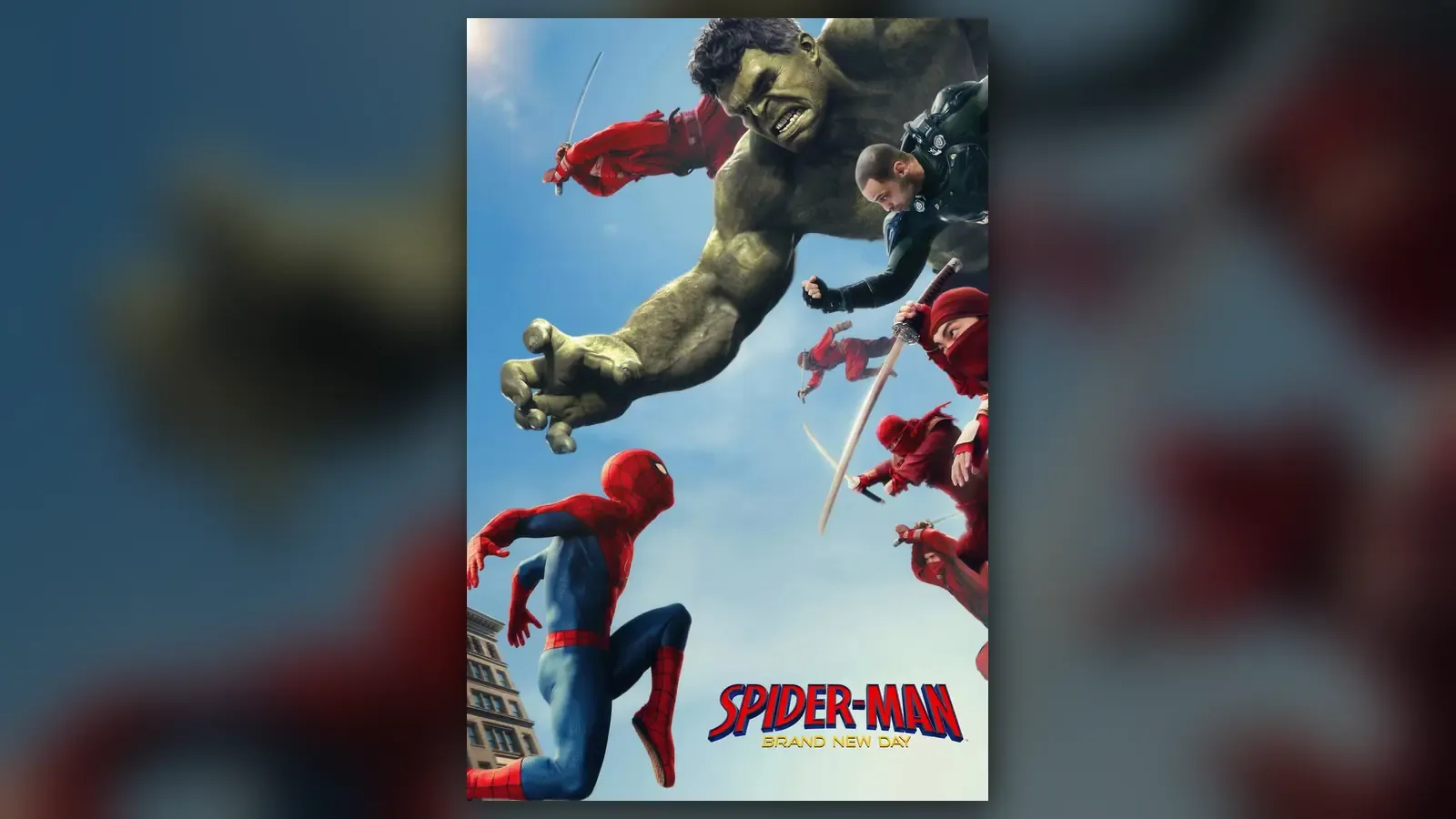
Spider-Man: Brand New Day at Home: Rent, Buy, or Wait for Streaming?
Spider-Man: Brand New Day is now available to rent or buy digitally. Here's what the digital release includes, when discs arrive, and what is known about Netflix and Disney+ timing.
Spider-Man: Brand New Day, the biggest box-office hit of 2026, became available to watch at home on October 6. According to syracuse.com (archived copy), it can be rented or bought on Apple TV, Prime Video, Fandango at Home and Sony Pictures Core, with a rental listed at $24.99 and a purchase at $29.99. ComingSoon reported the same prices. If you missed it in theaters, here is how to decide between renting, buying and waiting.
Our angle: a $25 rental is a lot for one viewing, and the right choice depends less on the film than on how you watch. The useful facts are what the purchase adds, when the discs arrive and how uncertain the streaming date really is.
Why the digital release came early
Tom Holland’s fourth solo Spider-Man film opened on July 31 and, per syracuse.com, had earned about $954.5 million domestically and roughly $2.51 billion worldwide by early October — the highest domestic total on record and third worldwide behind Avengers: Endgame and Avatar. Deadline reported in September that it had passed Star Wars: The Force Awakens ($936.66 million) to become the top-grossing film ever in the U.S. and Canada, ending a 10-year record; on that Tuesday it took just $915,000. By early November its worldwide total was about $2.52 billion, and it is Sony’s highest-grossing film ever. ScreenRant notes the home release arrived earlier than the November window many expected, after weekday grosses had fallen well below $1 million. ScreenRant counted 67 days between the theatrical and digital debuts, noting the film had won the domestic box office for six consecutive weekends before dropping toward the bottom of the top 10. It also pointed out that No Way Home’s digital release recorded about $42 million in sales in its first week, a sign of how much money the home window can bring in once theatrical grosses fade. That pattern, a long theatrical run followed by a move to premium video on demand, has become common for studio tentpoles.
What you get if you buy
Purchases include bonus material. Syracuse.com lists an outtakes reel plus featurettes covering Holland’s work on and off camera, director Destin Daniel Cretton’s approach to a more mature Spider-Man, Easter eggs, practical effects for the villain’s mind-control scenes, Holland and Jon Bernthal’s friendship, the ensemble (Zendaya, Sadie Sink, Mark Ruffalo, Jacob Batalon), stunt work, and costume design. For fans who rewatch the films, those extras are the main reason to pay the extra $5 over a rental. Syracuse.com also reports a four-film Holland bundle on Prime for $44.99, which is only a deal if you don’t already own the earlier films.
Physical media
4K UHD, Blu-ray and DVD editions from Sony Pictures Home Entertainment are due December 15, 2026, according to Decider and ComingSoon. Collectors who prefer discs may want to wait the extra ten weeks.
When will it stream on Netflix or Disney+?
No date has been announced. Decider suggests Netflix around late 2026 or early 2027, ahead of Disney+, because Sony owns the Spider-Man film rights and has a first-window deal with Netflix, even though the character appears in Disney’s Marvel Cinematic Universe. Treat that as an informed estimate, not a schedule.
There are also reports of a theatrical re-release with additional footage, including a scene featuring Rosario Dawson as Claire Temple. ComingSoon describes the plan as confirmed by Sony; ScreenRant says it was unconfirmed and undated. Dawson herself said in July that she had filmed a Claire Temple scene that was cut from the theatrical version. Until a date is announced, it is not a reason to delay watching.
Is it worth seeing?
The film’s reception has been strong: syracuse.com cites a 90% Rotten Tomatoes critics’ score and 97% audience score. Rotten Tomatoes counts about 440 reviews, with a consensus calling it “a promising reset” that combines “spectacular set pieces” with “mature emotional stakes and Tom Holland’s soulful performance.” Metacritic is cooler at 66, so critics liked it more widely than intensely. It builds on the street-level tone hinted at in No Way Home, bringing in Bernthal’s Punisher and placing Peter Parker in a smaller, grittier New York story — a contrast with the multiverse spectacle of the previous film. Our earlier coverage of its record-breaking opening explains why audiences turned out in such numbers.
The film’s place in the Spider-Man series
Tom Holland first played Peter Parker in Captain America: Civil War (2016), followed by three solo films directed by Jon Watts: Homecoming (2017), Far From Home (2019) and No Way Home (2021). No Way Home, which brought back Tobey Maguire and Andrew Garfield, earned about $1.9 billion worldwide and ended with the world forgetting who Peter Parker is — the setup for Brand New Day. The new film is directed by Destin Daniel Cretton, who made Short Term 12 (2013) and Marvel’s Shang-Chi and the Legend of the Ten Rings (2021), and written by Chris McKenna and Erik Sommers, who wrote the previous three. It is set four years after the spell in No Way Home; Holland has described it as “the darkest chapter” of Peter’s life. It was shot in Glasgow, which stood in for New York, from August 2025 under the working title Blue Oasis, with cinematographer Brett Pawlak framing it for both standard widescreen and 1.90:1 digital IMAX. Florence Pugh also appears as Yelena Belova ahead of Avengers: Doomsday.
The title comes from a 2008 comics storyline, “Brand New Day,” which followed a controversial reset of Peter’s life in the comics.
How it performed
Screendollars’ weekly data recorded an opening of about $360 million in North America, the biggest opening weekend of all time, just ahead of Avengers: Endgame’s $357.1 million, as Deadline’s record roundup detailed. Its $72 million in Wednesday and Thursday previews also beat Endgame’s record, and it reached $1 billion worldwide in 12 days, second only to Endgame. Its global opening was about $573 million, and it was the top film in 66 markets. See our marketing and box office coverage for more context.
How the home version compares with theaters
In the U.S., most audiences saw the film in standard or premium large-format auditoriums rather than IMAX. It was released in IMAX only in select international markets such as China, Japan and Korea, because Christopher Nolan’s The Odyssey had exclusive use of IMAX screens elsewhere. Cretton and Pawlak shot it in two aspect ratios, 2.39:1 widescreen and a taller 1.90:1 for digital IMAX. Sony has not said which version the digital and disc releases use, so check the listing or disc specifications if the format matters to you. For most viewers, the difference between a good home setup and a standard theater screen will be small; what you lose is the opening-weekend crowd.
The film also includes a long list of comic-book references, including shots recreating covers from Amazing Fantasy #15 and several issues of The Amazing Spider-Man. That makes the purchase’s pause button, and the Easter-egg featurette, more useful than usual for longtime readers.
Rent, buy or wait?
- Rent if you just want to see it once; rentals usually last 48 hours once you start watching.
- Buy if you rewatch films or want bonus features. Digital purchases through services that support Movies Anywhere can usually be shared across participating storefronts in the U.S.
- Wait if you’re patient. Sony’s films generally stream on Netflix in the U.S. under a long-running pay-TV deal, and later move to Disney+, though dates are announced separately.
Watching order for newcomers
If you’re catching up, the essential films are Homecoming, Far From Home and No Way Home, plus Avengers: Infinity War (2018) and Endgame (2019) for context. All are available on Disney+ or for digital rental, depending on your region.
Digital versus physical editions
Digital purchases are convenient but tied to a storefront’s licence terms, and bonus features vary between platforms. Physical 4K Ultra HD discs usually offer the highest picture and sound quality available at home, with less compression than streaming, and typically include a digital code. For collectors, steelbook and retailer-exclusive editions are often announced alongside the disc release. For casual viewers, a rental is usually the most economical choice, while frequent rewatchers may prefer to wait for a sale — digital prices for new releases often fall within a few months.
Our recommendation
- Rent if you missed it in theaters and want to see it now.
- Buy digitally if you rewatch Spider-Man films and value the featurettes.
- Wait for disc (December 15) if you want the best picture and sound or a physical copy.
- Wait for streaming only if you’re comfortable with an open-ended wait; no subscription date exists yet.
How this was compiled: prices, platforms and bonus features come from syracuse.com and ComingSoon; disc and streaming timing from Decider and ScreenRant; box office records from Deadline and Screendollars; review scores from the aggregator pages linked above. Bucket Movies did not review the digital edition. See how we work.
worth a spot on the list?
Reader notes
Join the discussion
No account needed — leave your take on this film below.
Add these to your list
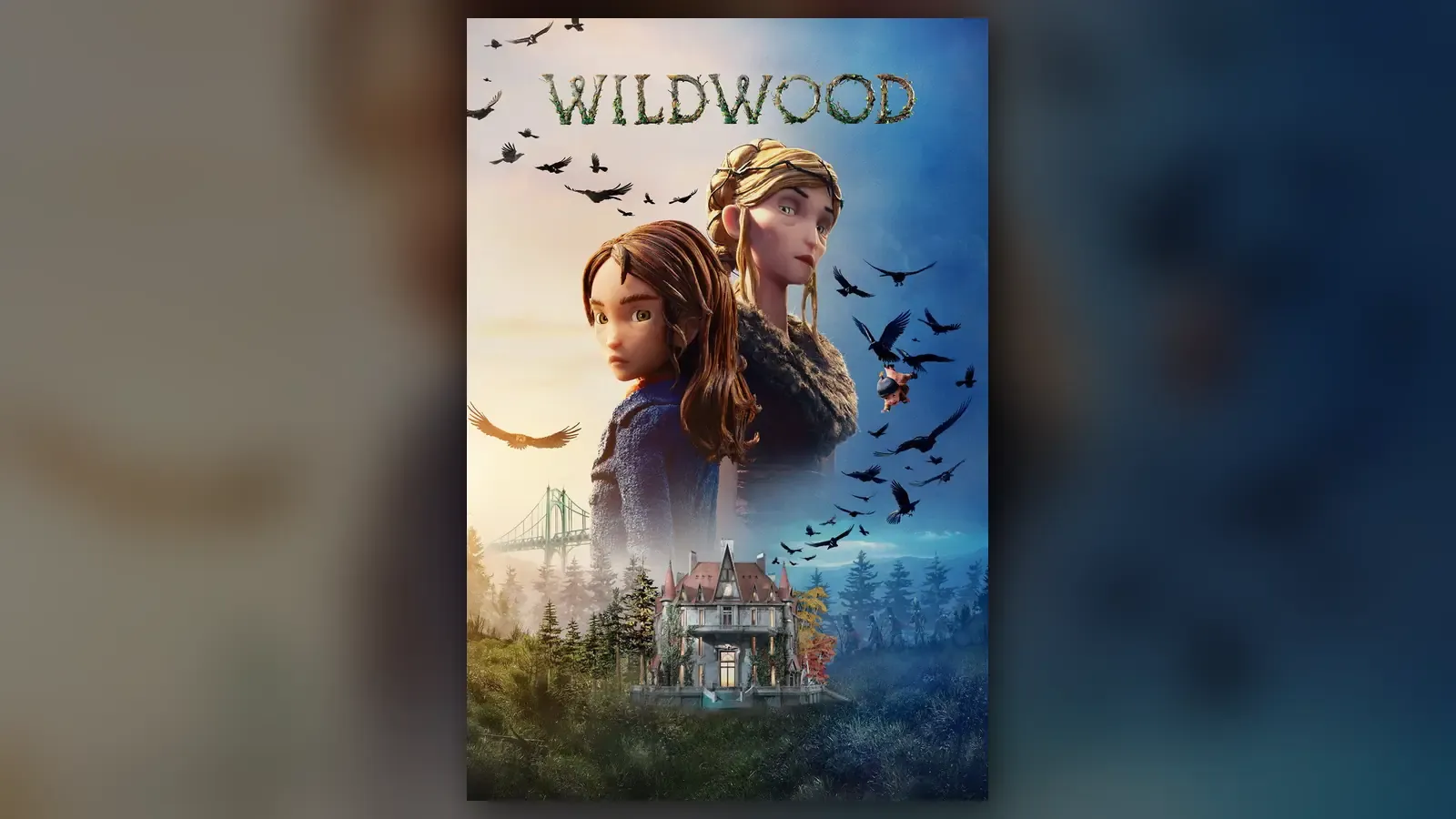
Wildwood Box Office: $12.2M Launch Against $100M Budget
Laika's Wildwood box office run launched with $12.2 million across 2,942 theaters, testing a $100 million budget after six years of physical stop-motion work.
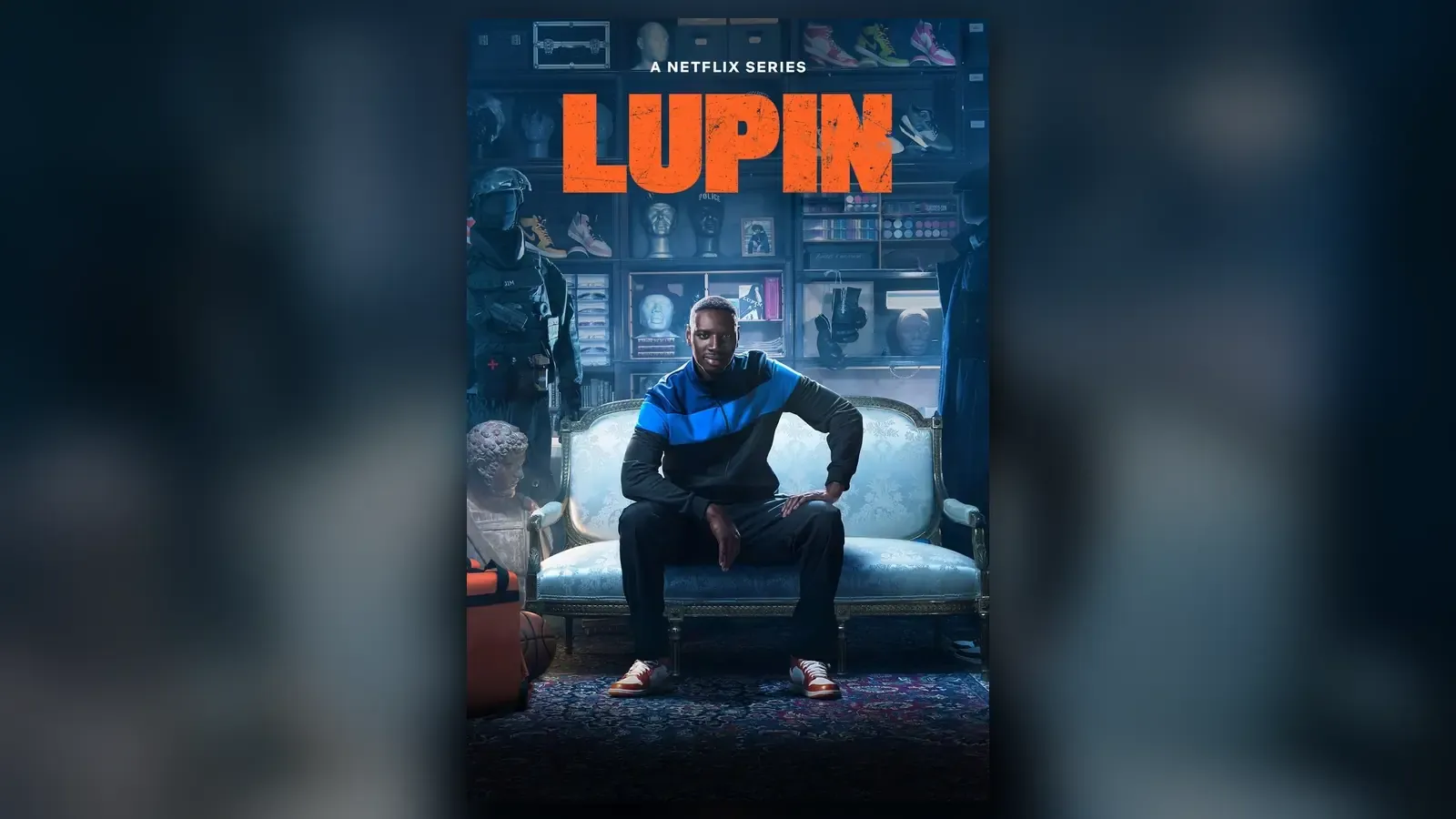
Lupin Returns to Netflix: What to Know About Omar Sy's New Season, Plus The Invite and More
Lupin Part 4 arrived on Netflix on Oct. 23 with Assane Diop facing a deepfake copycat. Who made it, how critics rated it, why the numbering is confusing and what to rewatch first.
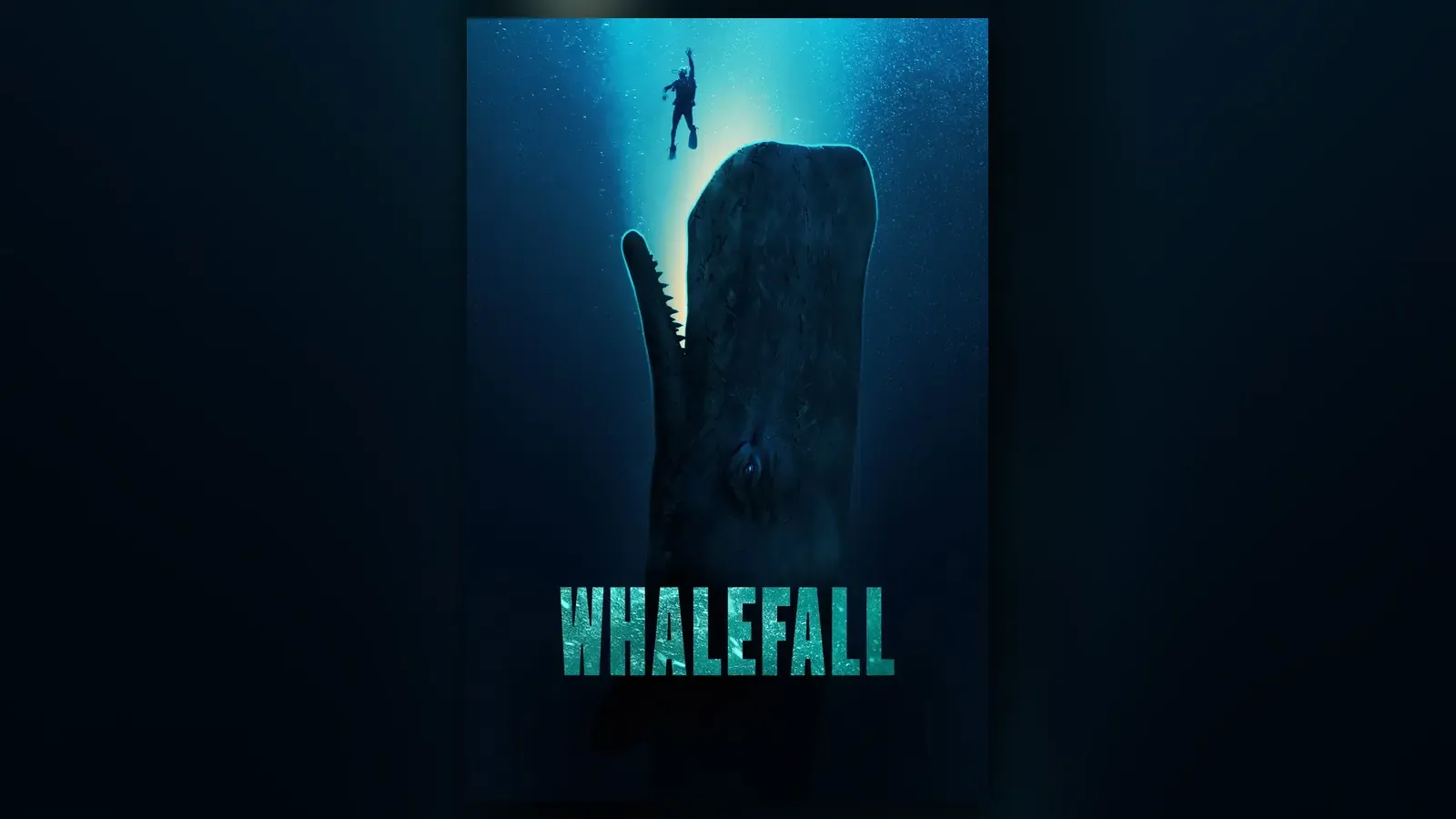
Whalefall: Brian Duffield's Survival Thriller, What Critics Said and Who It's For
Whalefall, Brian Duffield's adaptation of Daniel Kraus's novel about a diver swallowed by a sperm whale, opened to $8 million against a $60 million budget. Story, production, what critics said, box office and who it suits.

You Can See Everything: Why Nathan Fielder's Elizabeth Holmes Documentary Became a Box Office Hit
A24's You Can See Everything opened to $15.6 million in 855 theaters, the second-biggest documentary debut ever. How the platform release worked, who showed up, and what its climb to No. 1 means for theatrical documentaries.
Loading comments...