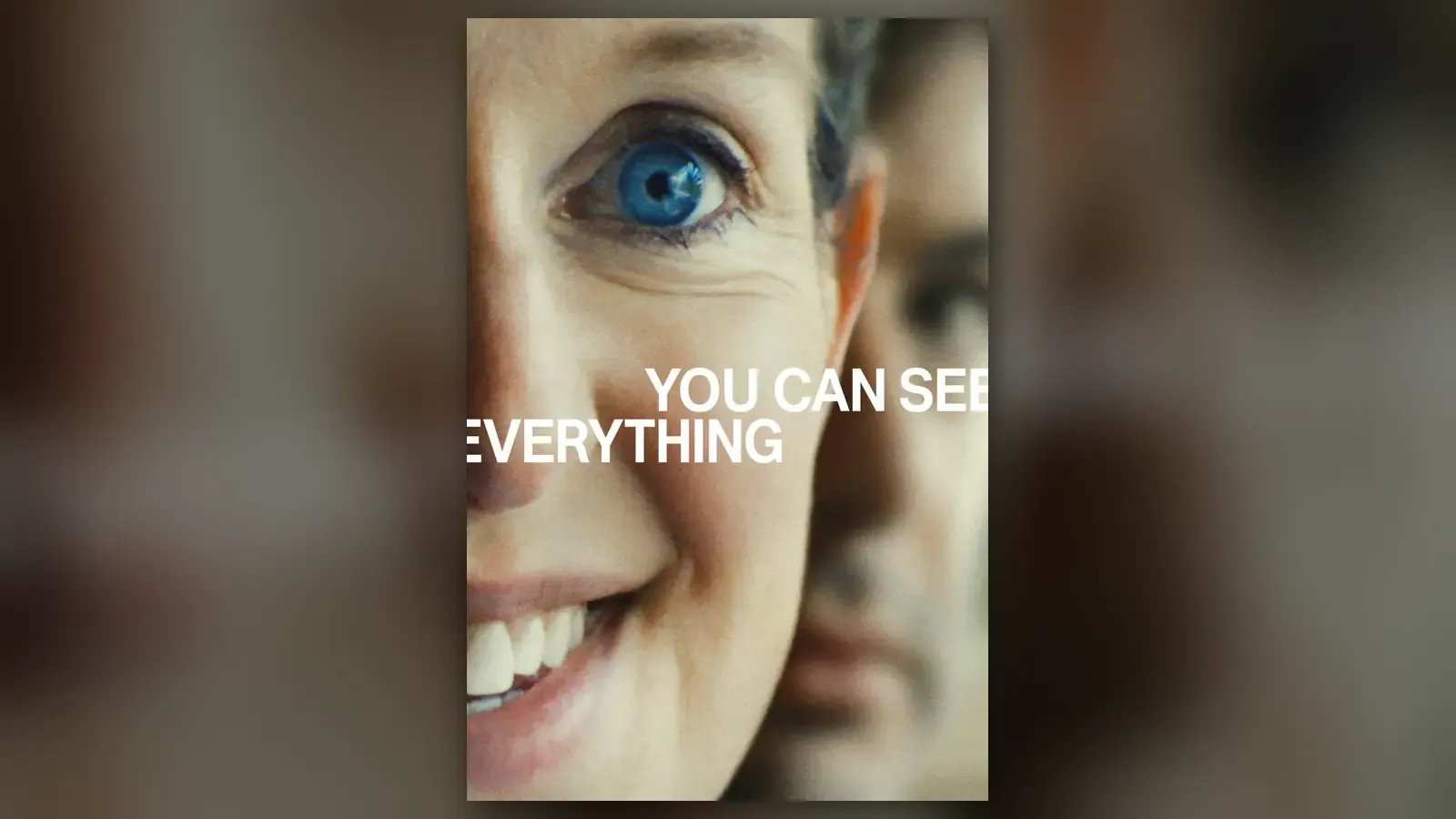
You Can See Everything: Why Nathan Fielder's Elizabeth Holmes Documentary Became a Box Office Hit
A24's You Can See Everything opened to $15.6 million in 855 theaters, the second-biggest documentary debut ever. How the platform release worked, who showed up, and what its climb to No. 1 means for theatrical documentaries.
Documentaries rarely make box-office news. You Can See Everything has made a lot of it. The A24 documentary about Elizabeth Holmes, directed by Nathan Fielder and Lance Oppenheim, opened on October 16, 2026, with about $15.6 million from just 855 theaters in the U.S. and Canada. Business Insider ranks that as the second-biggest theatrical opening ever for a documentary, behind only Fahrenheit 9/11. Variety called it a huge start, and Fortune put the per-theater average around $17,500.
This piece was first published after the opening weekend and has been updated through the weekend of November 6-8. Our angle: the gross is only half the story. The way A24 released the film, and the audience it reached, are what make it a template other distributors will study.
Why this one broke out
The answer is largely the filmmaker. Nathan Fielder built a devoted following with Nathan for You and The Rehearsal, shows that blur reality and performance and examine how people construct versions of themselves. Applying that sensibility to Holmes — a figure defined by the gap between her public image and reality — is an irresistible pairing for his fans and for anyone fascinated by the case. A24’s marketing and a limited, event-style release helped turn curiosity into ticket sales.
The strategy was deliberate. A24 kept the film in fewer than 1,000 theaters for its first weekend, which meant sellouts and lines rather than half-empty auditoriums; Deadline reported more than 2,000 sold-out shows on opening weekend, including lines around the block at the Village East in New York and the Belcourt in Nashville. Because it played on so few screens, it did not qualify for a CinemaScore. The paid marketing footprint was small: social analytics firm RelishMix told Deadline that the film’s official Instagram had only about 13,000 followers, but two A24 videos had drawn around 42 million YouTube views and were being shared at an exceptional rate, helped by Fielder’s own following of about a million on Instagram.
The film is long, at nearly three hours, which makes its success even more unusual.
Who showed up
The audience data was as unusual as the gross. According to PostTrak figures cited by Deadline, 98% of opening-weekend viewers rated the film positively and 91% said they would definitely recommend it, a level Deadline compared to successful Marvel releases. The crowd was young: A24 reported that about 70% of viewers were under 35, and 18-to-34-year-olds made up 62%. Turnout was 56% male and 44% female, 44% of viewers came with a partner or date, and 41% bought tickets on the day, a sign of walk-up demand driven by word of mouth. The film’s average rating on Letterboxd, 4.8, was described by Deadline as the highest recorded on the platform. San Francisco was among its top markets, where Deadline reported that tech workers bought out auditoriums.
What critics said
The box office followed an unusually unified critical response. The film premiered as a surprise screening at the Telluride Film Festival in September, and by November it held a 96% approval rating on Rotten Tomatoes from more than 200 reviews and a Metacritic score of 97 out of 100, indicating “universal acclaim” (Metacritic).
- Owen Gleiberman at Variety called it “a one-of-a-kind reality-TV-as-hangout-movie psychodrama circus” that overlaps reality, performance, deception and mental illness.
- Adrian Horton of The Guardian described “a stupefying and gloriously destabilizing hall of psychological mirrors.”
- Vulture’s Alison Willmore titled her review “Nathan Fielder Has Made the Movie of the Year,” and the Daily Beast’s Nick Schager placed it alongside the form’s all-time greats.
- The main dissent came from Stephanie Zacharek at Time, who praised the second half but criticized what she called the film’s “stultifying smirkiness” and argued that its central theme, the relationship between a documentarian and his subject, is self-evident to anyone who watches documentaries closely.
That consensus matters commercially. Documentaries depend on critics and word of mouth far more than franchise films do, and here both pointed the same way.
The economics
The film’s reported production budget was about $7 million. Against a domestic gross approaching $80 million before its international release, it is one of the most profitable theatrical releases of 2026 in proportional terms, and a rare case of a nonfiction film whose theatrical run, not a streaming sale, is the main event.
The second weekend
The film then did something almost unheard of: its gross went up. After expanding from 855 to about 2,600 theaters, it earned $19.5 million in its second weekend, up 25%, for a $45.1 million total — see our Oct. 23–25 weekend report. For comparison, Fahrenheit 9/11 opened to about $23.9 million in 2004 and, with roughly $119 million, remains the highest-grossing non-concert documentary in the U.S.
Halloween: the documentary takes No. 1
The third weekend produced the most improbable headline of the fall. Over Halloween weekend, Warner Bros. initially claimed first place for Clayface, but Monday’s actuals gave the top spot to You Can See Everything with about $11.44 million, narrowly ahead of Clayface’s roughly $11 million, after a strong Sunday when older female moviegoers returned (Deadline). A three-hour documentary winning a weekend against a DC film is, as far as we can tell, without modern precedent.
By the weekend of November 6-8, its fourth, the film had dropped only about 23% to roughly $8.8 million, bringing its domestic total to about $79.7 million (Deadline). International rollout was only beginning, with Australia and New Zealand scheduled for November 12 and the U.K. for November 20.
What it means for documentaries
Most theatrical documentaries earn a few million dollars at best, and streaming has become their default home. You Can See Everything shows that a documentary with a distinctive voice and a culturally resonant subject can still be a theatrical event — as Fahrenheit 9/11 and Won’t You Be My Neighbor? did before it. Expect distributors to look harder for the next one.
Nathan Fielder’s path to this film
Nathan Fielder became known for Nathan for You (2013–2017) on Comedy Central, in which he pitched absurd, real business ideas to actual small-business owners while maintaining a deadpan persona. His HBO series The Rehearsal (2022–present) took the idea further, building elaborate recreations of real situations so people could rehearse difficult moments; it drew wide critical acclaim and is widely discussed for blurring documentary and performance. He also co-created and starred in Showtime’s The Curse (2023) with Emma Stone. You Can See Everything applies his interest in performance and deception to the Elizabeth Holmes story.
The Theranos story
Elizabeth Holmes founded Theranos in 2003, claiming its technology could run hundreds of tests on a few drops of blood. At its peak, the company was valued at about $9 billion. Wall Street Journal reporter John Carreyrou’s investigation, starting in 2015, revealed that the technology did not work as claimed. Holmes was convicted of fraud in 2022 and sentenced to more than 11 years in prison.
The story has been told several times: Carreyrou’s book Bad Blood (2018), Alex Gibney’s HBO documentary The Inventor: Out for Blood in Silicon Valley (2019), the ABC podcast The Dropout, and the Hulu series The Dropout (2022), for which Amanda Seyfried won an Emmy. The film enters a crowded field, which makes its success more striking.
Other documentary hits
Documentaries rarely open wide. Notable theatrical successes include Fahrenheit 9/11 (2004), March of the Penguins (2005), Won’t You Be My Neighbor? (2018) and concert films such as Taylor Swift: The Eras Tour (2023). A24 also released Amy (2015), which won the Oscar for Best Documentary Feature.
Why documentaries rarely open wide
Most documentaries are funded and distributed with streaming or television in mind; services such as Netflix, HBO and Hulu are the largest buyers. Theatrical releases are expensive — marketing a wide release costs millions of dollars — and documentaries rarely have the stars or genre hooks that sell tickets. The exceptions usually have a strong existing audience: a famous subject, a well-known filmmaker or a fan base, as with concert films. You Can See Everything has two of those, a notorious subject and a filmmaker with a devoted following, which explains its unusual release strategy.
Questions of ethics
Fielder’s work has always raised questions about consent and manipulation in nonfiction, which critics have debated since Nathan for You. Documentaries about real criminal cases face similar questions about how they portray victims and whether they profit from wrongdoing. Viewers who want to explore the subject further may find it useful to read John Carreyrou’s reporting alongside the film.
Who should see it
- Fielder fans: the reviews and audience scores suggest essential viewing.
- True-crime and business-scandal enthusiasts: a fresh angle on a familiar story.
- Newcomers to the case: it may help to watch The Inventor or The Dropout first, though not required.
- Plan ahead: given the length, choose an early showtime.
Related coverage
More on 2026 openings and weekend results:
- Spider-Man: Brand New Day Shatters Opening Day Record With $168 Million — the record Spider-Man opening
- Spielberg Sets New Personal Record With ‘Disclosure Day’ Opening — Disclosure Day’s opening
- Why Masters of the Universe Became One of 2026’s Biggest Box Office Bombs — why a $200 million nostalgia film opened weakly
- Practical Magic 2 Opened at $30 Million. Spider-Man Is One Weekend From the Record — Practical Magic 2’s No. 1 weekend
- Wildwood Box Office: $12.2M Launch Against $100M Budget — Laika’s opening against a $100 million stop-motion budget
- Why Ridley Scott’s The Dog Stars Disappeared From Theaters So Quickly — how quickly a wide release lost its screens
- Street Fighter’s Tracking Looks Like a Bomb in Slow Motion — pre-release tracking for Street Fighter six weeks out
- Street Fighter Box Office: Paramount’s Video Game Adaptation Opens Below Expectations — Street Fighter’s opening and steep second-week drop
- Weekend Box Office (Oct. 16–18): Street Fighter Leads, a Documentary Breaks Out — the full chart for Oct. 16–18
- Weekend Box Office (Oct. 23–25): Clayface Wins, but You Can See Everything Steals the Story — the full chart for Oct. 23–25
- Clayface Box Office: DC’s $24.5 Million Horror Experiment, Explained — DC’s mid-budget horror opening and its holds
- Avengers: Endgame Encore Tops the Box Office: Why the Re-Release Worked — a re-release that beat new films
- If I Go Will They Miss Me: How a Small Sundance Film Reached $1 Million — a Sundance film’s route to $1 million on few screens
How this was compiled: box office and audience figures are studio estimates and survey data as reported by the outlets linked above, and are subject to revision. Bucket Movies did not attend a screening. See how we work.
worth a spot on the list?
Reader notes
Join the discussion
No account needed — leave your take on this film below.
Add these to your list

Wildwood Box Office: $12.2M Launch Against $100M Budget
Laika's Wildwood box office run launched with $12.2 million across 2,942 theaters, testing a $100 million budget after six years of physical stop-motion work.
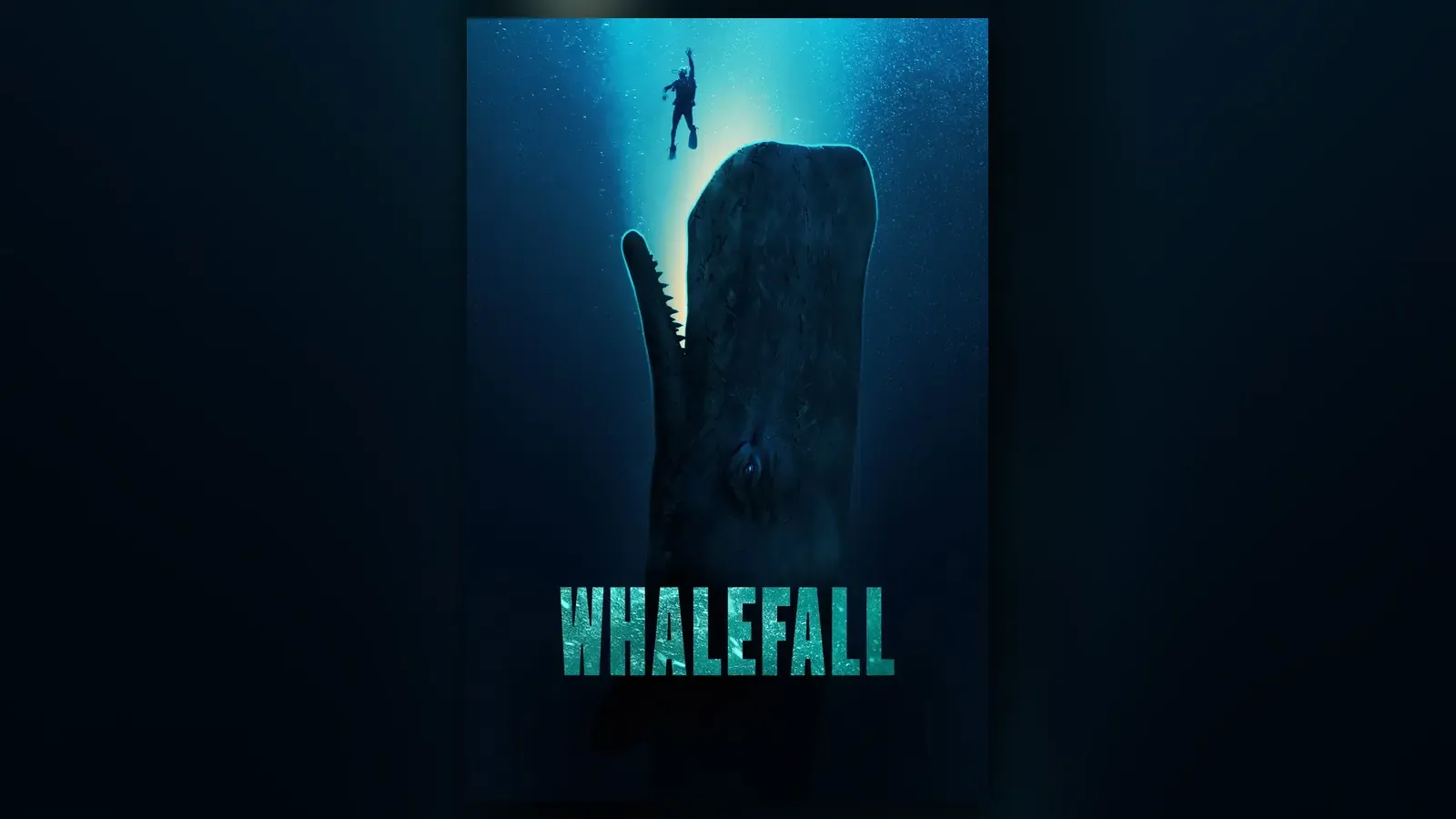
Whalefall: Brian Duffield's Survival Thriller, What Critics Said and Who It's For
Whalefall, Brian Duffield's adaptation of Daniel Kraus's novel about a diver swallowed by a sperm whale, opened to $8 million against a $60 million budget. Story, production, what critics said, box office and who it suits.

Klara and the Sun: Why Taika Waititi's Ishiguro Adaptation Struggled With Critics and at the Box Office
Taika Waititi's Klara and the Sun, starring Jenna Ortega and Amy Adams, drew harsh reviews and opened to about $700,000. What the film is, what critics said, why the release shrank, and whether fans of the novel should see it.
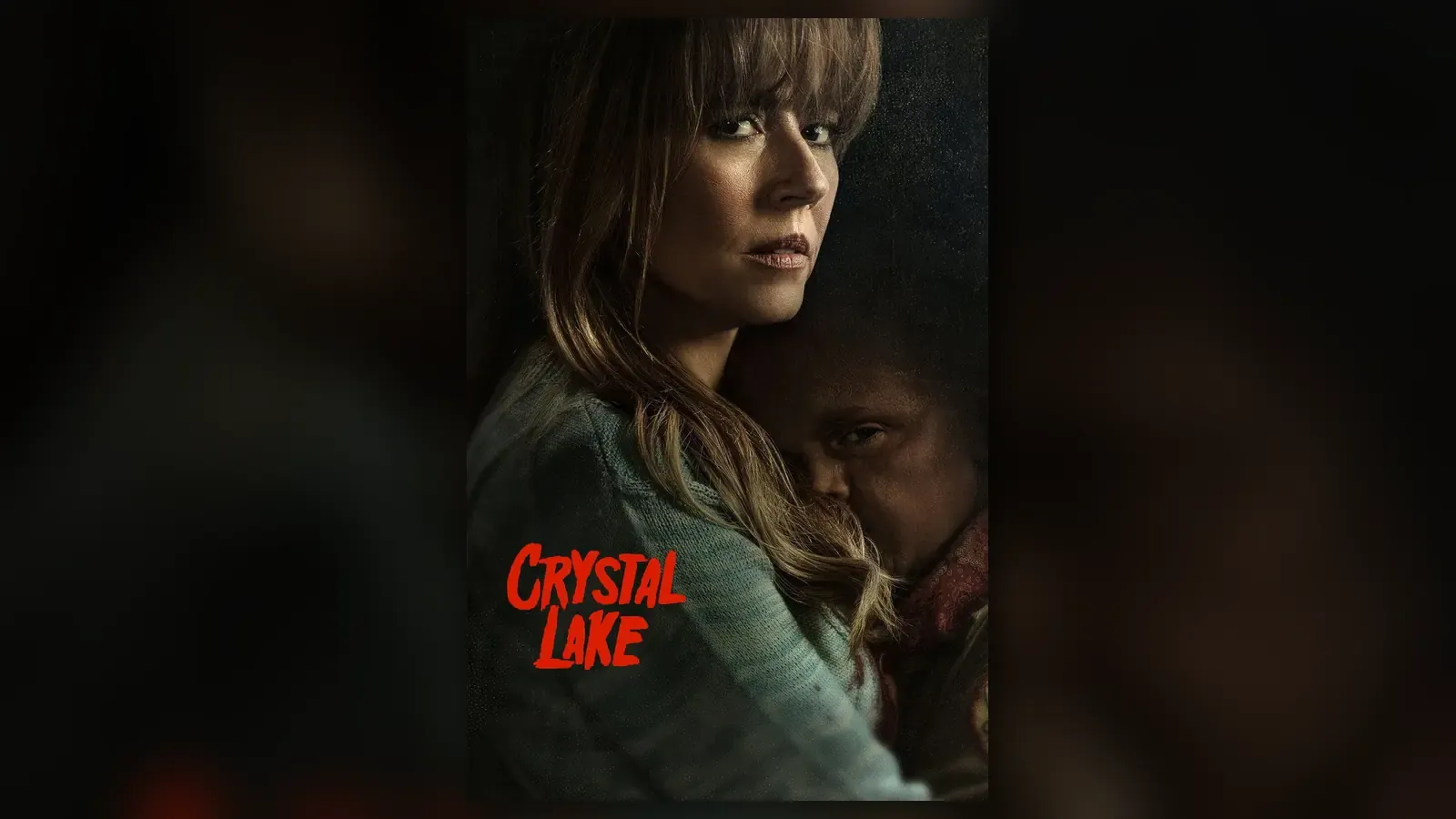
Crystal Lake on Peacock: A Guide to the Friday the 13th Prequel Series
Peacock's Crystal Lake, an A24-produced Friday the 13th prequel starring Linda Cardellini as Pamela Voorhees, drops all eight episodes on Oct. 15. The story, the episode list, what critics said, how it performed and who it's for.
Loading comments...