
Klara and the Sun: Why Taika Waititi's Ishiguro Adaptation Struggled With Critics and at the Box Office
Taika Waititi's Klara and the Sun, starring Jenna Ortega and Amy Adams, drew harsh reviews and opened to about $700,000. What the film is, what critics said, why the release shrank, and whether fans of the novel should see it.
Klara and the Sun, Taika Waititi’s adaptation of Kazuo Ishiguro’s 2021 novel, reached U.S. theaters on October 23, 2026, after a difficult critical reception at its world premiere at the BFI London Film Festival on October 15. Here’s what the film is, what reviewers have said, and how to decide whether it’s for you.
This piece was first written in the days after the premiere and has been updated with the settled review aggregates and the box office outcome. Our angle: the story of Klara and the Sun is a mismatch between a filmmaker’s style and a book’s voice, and the reviews, the release strategy and the director’s own response all trace back to it.
The source
Ishiguro’s novel, his first after winning the Nobel Prize, is narrated by Klara, an “Artificial Friend” — a solar-powered robot companion bought to keep a sick young girl, Josie, company. The book is quiet, observant and devastating, using Klara’s limited understanding of humans to explore love, loneliness and what makes a person irreplaceable. Like Never Let Me Go, it is less science fiction than a moral fable.
The film
Waititi directs and co-wrote the script with Dahvi Waller (Mad Men, Mrs. America). Jenna Ortega plays Klara, Mia Tharia plays Josie and Amy Adams plays Josie’s mother, Chrissy; Variety Australia’s review also names Rachel House as the housekeeper Melania. Steve Buscemi and Natasha Lyonne appear in supporting roles, according to ScreenRant. The film runs 116 minutes, with a score by Michael Giacchino, his fourth collaboration with Waititi after Jojo Rabbit, Thor: Love and Thunder and Next Goal Wins.
The project had a long road. Sony’s 3000 Pictures bought the rights in July 2020 with David Heyman (Harry Potter, Barbie) producing, Waller was hired to write in 2021 with Ishiguro as an executive producer, and Waititi joined in 2023. Filming took place in New Zealand in early 2024, at Silverlight Studios in Wānaka and in Auckland, under the working title Tears and Rain. The finished film then sat for more than two years before its release.
The critical response
Early reviews were rough. World of Reel reported a run of one-star reviews after the London premiere. A day later, ScreenRant, MovieWeb and SFF Gazette all reported a 20% Rotten Tomatoes debut — a notable setback after Waititi’s Thor: Love and Thunder and Next Goal Wins also received mixed notices. Early reviews often shift as more critics weigh in, but in this case they did not move much. By November, Rotten Tomatoes listed a 26% approval rating from about 97 reviews, and Metacritic’s weighted average was 31 out of 100, “generally unfavorable.” The Rotten Tomatoes consensus argued that the film flattens “the nuanced ideas of its acclaimed source material with a tonally broad approach” and ends up “cloying and twee.”
The complaints were consistent:
- Peter Bradshaw in The Guardian called it an “unbearably mannered” film of “sentimental whimsy-futurism” that ends up saying nothing substantial.
- David Rooney of The Hollywood Reporter wrote that it “keeps straining for poignancy while trampling on any hint of genuine emotion with forced humor,” and called it “fatally twee.”
- David Jenkins at Little White Lies objected to its habit of undercutting any hint of profundity “with a jolt of silly humour or a comic rug pull.”
There were dissenters. Deadline’s box office columnist, writing after a Los Angeles press screening, said the film had moved him and argued that a star-led film aimed at women deserved a better release. Audience scores were also warmer than critics’: PostTrak surveys found 69% of viewers rated it positively, though only 48% said they would definitely recommend it.
The box office, and a shrinking release
Klara and the Sun was originally planned as a wide release in more than 2,000 theaters. After the London reviews, Sony scaled it back to about 880 locations, where it opened to roughly $701,000, a per-theater average under $800 (Deadline). Sony did not report figures after the opening weekend, and the film’s planned theatrical release in Spain was cancelled. Its worldwide gross is estimated at about $3 million.
The cost is disputed. Sony insiders told Deadline the film cost a net of roughly $20 million, while pre-finance documents Deadline reviewed showed a direct cost of about $44.3 million before New Zealand subsidies. Spyglass and a financing partner covered half the budget, which limits Sony’s exposure. Either way, the film is a commercial failure; it simply cost much less than other 2026 disappointments. Our October 23-25 weekend report places its opening alongside Clayface and You Can See Everything.
Waititi’s response
Waititi reacted publicly. In a social media post reported by Variety, he dismissed critics as people who “couldn’t achieve their dreams of becoming artists,” noting that the same people had disliked Jojo Rabbit. Directors pushing back against reviews is not new, but the comparison is pointed: Jojo Rabbit also arrived with mixed notices before winning the People’s Choice Award at Toronto and an Oscar. The difference is that Klara has not found the audience that rescued Jojo.
Why the adaptation was always a risk
On paper, the pairing was unusual. Waititi’s strengths are comic energy and warmth, as in Hunt for the Wilderpeople and Jojo Rabbit. Ishiguro’s novel depends on restraint, a narrow point of view and things left unsaid. Adapting a book narrated entirely through a robot’s perceptions is difficult for any filmmaker; Mark Romanek’s Never Let Me Go (2010) showed how hard it is to translate Ishiguro’s understatement to the screen, even with a faithful approach.
Kazuo Ishiguro on screen
Ishiguro won the Nobel Prize in Literature in 2017, and his novels have had a mixed record as films:
- The Remains of the Day (1993), directed by James Ivory, with Anthony Hopkins and Emma Thompson, earned eight Oscar nominations and is generally considered the best Ishiguro adaptation.
- Never Let Me Go (2010), directed by Mark Romanek with Carey Mulligan, Andrew Garfield and Keira Knightley, was respectfully reviewed but struggled at the box office. It is the closest comparison for Klara and the Sun, since both use a speculative premise to ask quiet questions about what makes a life valuable.
- Ishiguro himself wrote the screenplay for Living (2022), Oliver Hermanus’s English remake of Kurosawa’s Ikiru, which earned him an Oscar nomination for Adapted Screenplay.
The difficulty in all of them is the same: Ishiguro’s books are told by narrators who misunderstand or withhold what they feel, and that inner voice is hard to translate into images.
Taika Waititi’s range
Waititi is best known for comedy: What We Do in the Shadows (2014), Hunt for the Wilderpeople (2016), Thor: Ragnarok (2017), and Jojo Rabbit (2019), which won him the Oscar for Adapted Screenplay. Jojo Rabbit showed he could mix whimsy with grief, which is presumably why he was chosen for this material. His more recent films, Thor: Love and Thunder (2022) and Next Goal Wins (2023), were less well received, and the debate around Klara has largely been about whether his playful style suits Ishiguro’s restraint.
Should you read the book first?
The novel is short, around 300 pages, and widely available. Readers who already love it tend to be the film’s harshest critics, while newcomers may find the story’s emotional turns more surprising. Either way, the book offers what the film can’t fully reproduce — Klara’s own voice.
AI companions on screen
Klara and the Sun arrives amid a long line of films about artificial companions, which can help viewers place it:
- A.I. Artificial Intelligence (2001) — Steven Spielberg’s film, developed by Stanley Kubrick, about a robot boy programmed to love; it is probably the closest cinematic relative.
- Her (2013) — Spike Jonze’s Oscar-winning screenplay about a man who falls in love with an operating system.
- Ex Machina (2014) — Alex Garland’s thriller about testing whether a robot has consciousness.
- After Yang (2021) — Kogonada’s quiet drama about a family whose android caretaker breaks down, perhaps the most similar in tone to Ishiguro.
- The Wild Robot (2024) — DreamWorks’ animated film about a robot raising a gosling, for family audiences.
These films show the range of approaches, from thriller to melodrama. Ishiguro’s novel sits closest to After Yang: understated, focused on grief and on what it means to care for someone. Viewers who loved that film are likely to be the most receptive audience for this adaptation, whatever its flaws.
Should you see it?
- Readers of the novel may want to see how the story translates, but should set expectations according to the reviews.
- Ortega and Adams fans may still find performances worth watching.
- Viewers new to the story may get more from the book first — or from Never Let Me Go and After Yang (2021), a beautifully understated film about a family and its android companion that captures much of what makes Ishiguro’s novel special.
How this was compiled: production details and box office figures come from the trade reports linked above; reviews are summarized from published criticism. Bucket Movies did not attend a screening. See how we work.
worth a spot on the list?
Reader notes
Join the discussion
No account needed — leave your take on this film below.
Add these to your list

Wildwood Box Office: $12.2M Launch Against $100M Budget
Laika's Wildwood box office run launched with $12.2 million across 2,942 theaters, testing a $100 million budget after six years of physical stop-motion work.
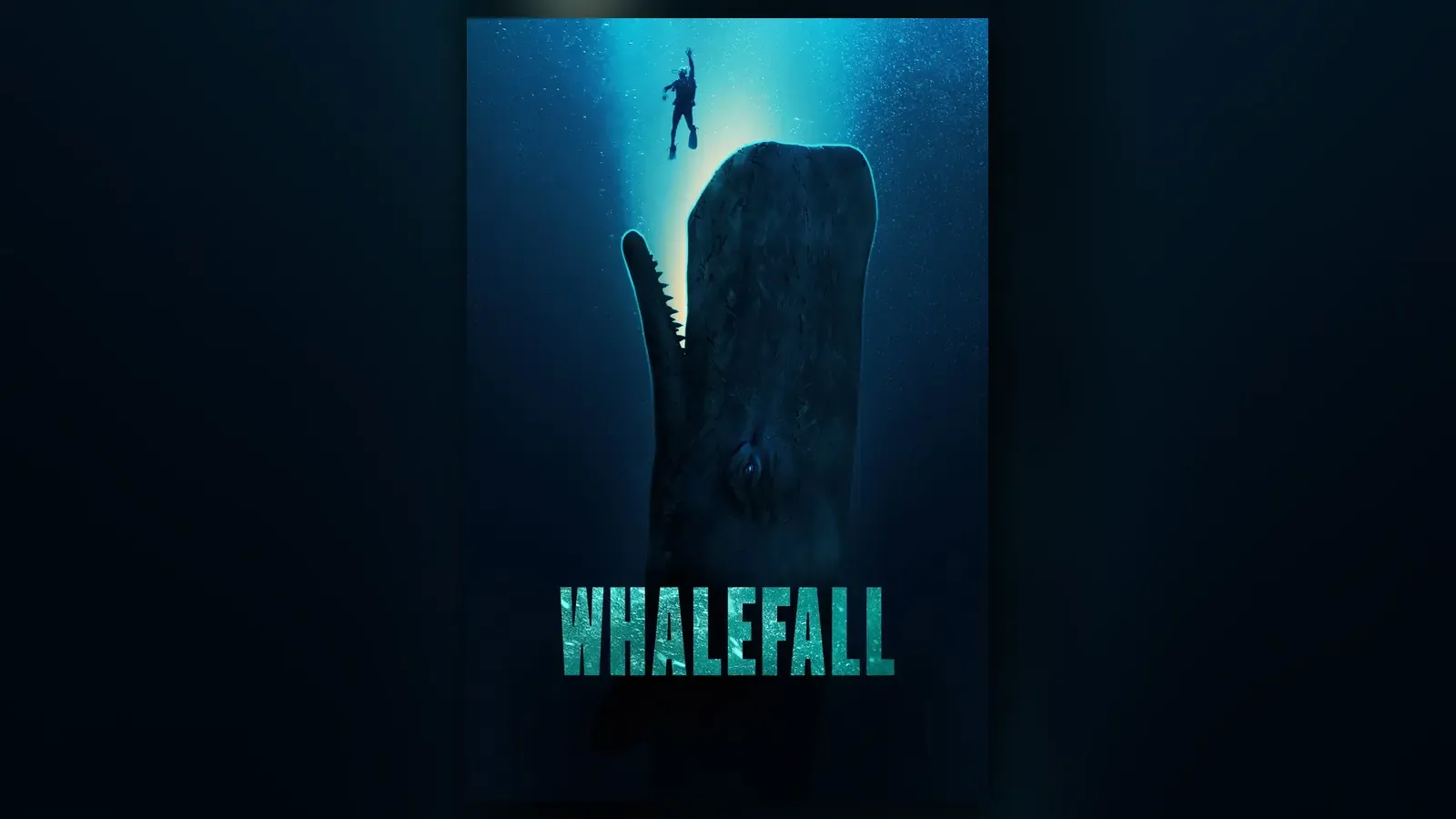
Whalefall: Brian Duffield's Survival Thriller, What Critics Said and Who It's For
Whalefall, Brian Duffield's adaptation of Daniel Kraus's novel about a diver swallowed by a sperm whale, opened to $8 million against a $60 million budget. Story, production, what critics said, box office and who it suits.
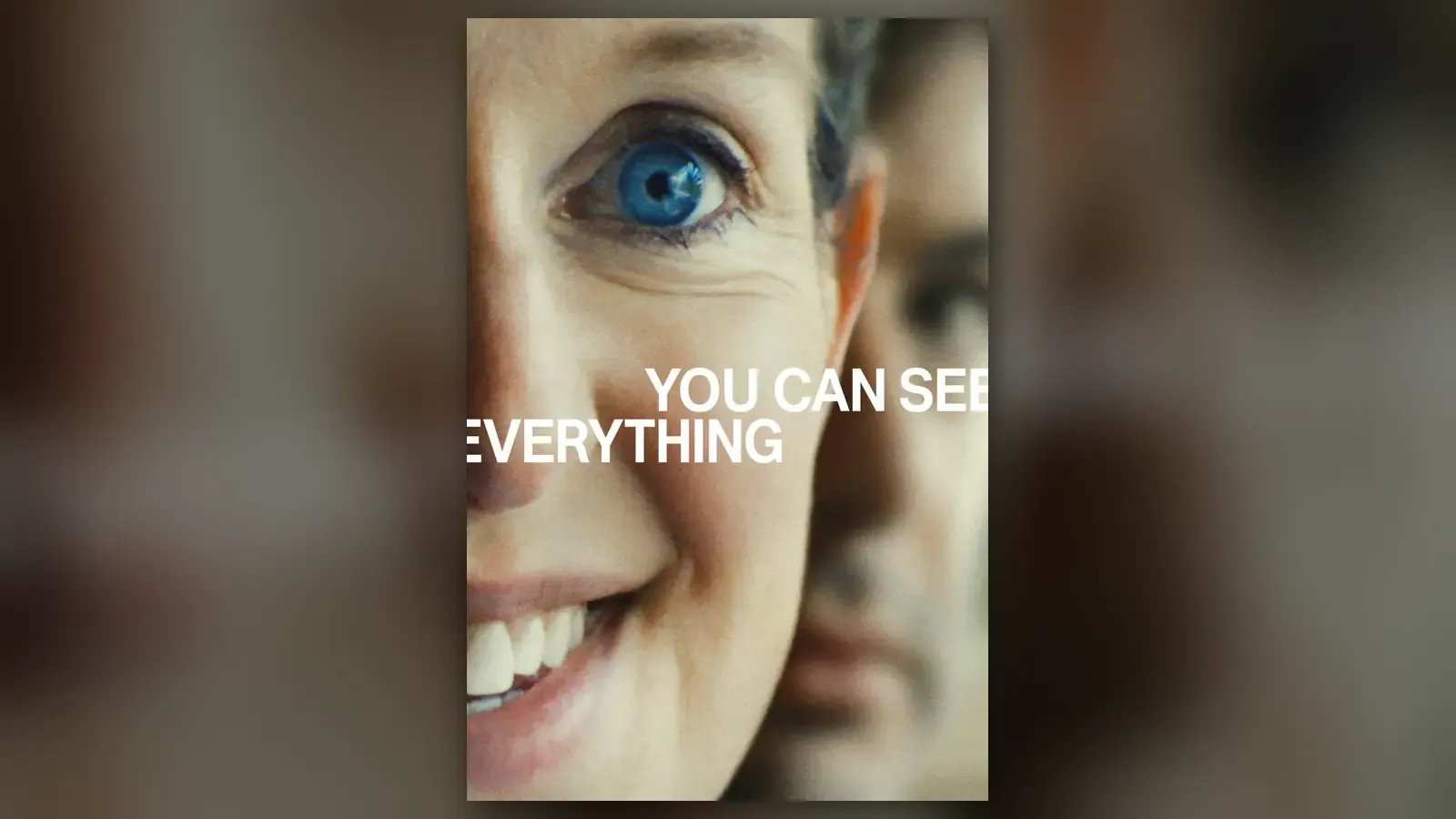
You Can See Everything: Why Nathan Fielder's Elizabeth Holmes Documentary Became a Box Office Hit
A24's You Can See Everything opened to $15.6 million in 855 theaters, the second-biggest documentary debut ever. How the platform release worked, who showed up, and what its climb to No. 1 means for theatrical documentaries.
IMAX's Record Summer and Why Premium Screens Are Reshaping Moviegoing
IMAX earned a record $728 million in summer 2026, 5.8% of global box office from about 1,800 screens, while Cinemark added premium auditoriums and motion seats. What the premium-format boom means for audiences.
Loading comments...