
Weekend Box Office (Oct. 23–25): Clayface Wins, but You Can See Everything Steals the Story
Clayface opened at No. 1 with about $24.5 million, while Nathan Fielder's Elizabeth Holmes documentary grew 25% in its second weekend. The full top ten, the holdovers, what happened the following weekend and what it all means.
DC Studios’ Clayface won the weekend of October 23–25, 2026, but the most remarkable performance belonged to a documentary. Our angle: this weekend is less about which film finished first than about two release strategies, a low-cost franchise horror film and a platformed documentary, both beating expectations in different ways. The figures below are based on estimates reported by Deadline, Fortune and MediaPost.
The top ten
- Clayface (Warner Bros.): about $24–24.5 million from 3,458 theaters (new)
- You Can See Everything (A24): $19.5 million, up 25%, from 2,655 theaters; $45.1 million total
- Wildwood (Laika/Fathom): about $11.6–11.8 million from 2,942 theaters (new)
- Street Fighter (Paramount): $8.6 million, down 72%; $46.9 million total
- Wicker (Black Bear): about $5.75 million from 1,471 theaters (new)
- BTS World Tour ‘Arirang’ (Trafalgar): about $4.5 million in a Saturday-Sunday event release
- Other Mommy (Universal): $3.85 million, down 53%; $51.5 million total
- Sense and Sensibility (Focus): $3.4 million, down 53%; $13.6 million total
- Whalefall (Disney): $3.2 million, down 59%; $14 million total
- Verity (Amazon MGM): about $3.06 million, down 49%; $71.5 million total
Rankings and figures are from Deadline’s Sunday chart; outlets reported slightly different estimates, and Monday actuals moved some totals by a few hundred thousand dollars.
Clayface: a solid start for a modest budget
Clayface opened slightly below its studio’s $25 million–$30 million projection, but with an A- CinemaScore and a reported $44 million budget, it’s a reasonable start for an R-rated horror experiment. MediaPost reported another $19 million internationally. Our Clayface box office analysis explains the comparison with other DC and horror openings, and our Clayface guide covers the film itself.
The real story: a documentary that grew
You Can See Everything, Nathan Fielder’s documentary about Elizabeth Holmes, did something almost unheard of: its gross rose 25% in its second weekend as it expanded from limited to wide release. Its $45.1 million total after two weekends puts it among the most successful theatrical documentaries ever, a category where most releases earn a few million dollars at most. Our You Can See Everything report explains why it broke out.
Wildwood and Street Fighter
Laika’s stop-motion fantasy Wildwood opened third. That’s a modest start for an animated film from a studio known for craftsmanship over box office — see our Wildwood feature for how its budget and production compare with Laika’s earlier films. Street Fighter fell 72% in its second weekend, a steep drop that suggests limited word of mouth after its below-expectations opening.
What it means
- Event documentaries can work in theaters when they have a distinctive filmmaker and a story audiences already know.
- Horror remains resilient. Clayface and Wicker both found audiences in the run-up to Halloween.
- Platform releases still work. A24 deliberately opened You Can See Everything in fewer than 1,000 theaters to build sellouts and social buzz before going wide, and one rival distribution executive told Deadline the industry should copy the approach more often.
- Organic marketing can outperform paid campaigns. Wicker’s brand-driven social trend gave a modest adult drama a visibility it could not have bought.
- Video game adaptations aren’t automatic hits — front-loaded fan interest fades quickly without strong reviews.
Why a documentary in second place is unusual
Documentaries rarely reach the top of the weekend chart. Before 2026, the highest-grossing documentary in North America was Michael Moore’s Fahrenheit 9/11 (2004), with about $119 million domestic, and most successful documentaries earn a few million dollars in limited release. Concert films are the exception — Taylor Swift: The Eras Tour (2023) opened to about $93 million — which shows that documentaries can perform like event films when they tap an existing fan base. A second-place finish with nearly $20 million puts You Can See Everything in rare company.
Clayface and DC’s new slate
Clayface is part of the rebooted DC Studios slate run by James Gunn and Peter Safran, which began with Superman (2025) and continued with Supergirl in June 2026. Unlike those, Clayface is a horror-tinged, lower-budget film, a test of whether DC can succeed with smaller, genre-driven projects in the way Marvel did with films like Deadpool (2016). Clayface’s mid-$20 million start is lower in absolute terms than those tentpoles’ openings, but far less risky given its budget. See our Clayface coverage for more.
Wicker: a marketing case study
Black Bear’s Wicker opened fifth, but its per-theater average was among the strongest of the new wide releases, and Deadline compared the start to adult-skewing hits such as Conclave ($6.6 million) and The Roses ($6.2 million). The film, starring Olivia Colman and Alexander Skarsgård, benefited from an unusual amount of free marketing: after the first trailer, brands including IKEA Australia, HomeGoods and Sephora joined a social media trend built around the film’s “wicker husband,” and the studio leaned in with life-size standees and a one-day pop-up shop. PostTrak audience scores were also strong, at 92% positive. With word of mouth like that, Wicker was positioned for smaller second-weekend drops than the horror titles around it, and it did hold well, falling only about 23% in its third weekend.
Street Fighter’s premium-screen cushion
One detail in Street Fighter’s steep second weekend softened the blow: the Legendary and Capcom co-financed film kept its IMAX screens, which delivered about $1.8 million, or roughly 21% of its weekend gross. Premium formats have become a disproportionate share of revenue for fan-driven releases, which is why studios fight so hard for IMAX slots in crowded months. For the opening and the tracking that preceded it, see our Street Fighter tracking report.
Street Fighter’s second weekend
Video game adaptations have had a strong decade — The Super Mario Bros. Movie (2023) and A Minecraft Movie (2025) each passed $900 million worldwide — but live-action fighting-game films have historically struggled. The 1994 Street Fighter with Jean-Claude Van Damme and the two Mortal Kombat films of the 1990s found audiences but little critical respect, and the 2021 Mortal Kombat reboot was released simultaneously on HBO Max. A steep second-weekend drop suggests the 2026 film is following the same pattern of strong fan turnout that does not broaden.
Reading weekend estimates
Sunday figures are studio estimates; actuals released on Monday can differ by a few hundred thousand dollars, which is enough to swap close positions on the chart.
A24’s record with documentaries
A24, which released You Can See Everything, is best known for features such as Moonlight (2016) and Everything Everywhere All at Once (2022), both Best Picture winners. It has also released several notable documentaries, including Amy (2015), which won the Oscar for Documentary Feature, and Stop Making Sense (2023), a 4K restoration of Jonathan Demme’s 1984 Talking Heads concert film that became a surprise hit in its re-release. The company’s marketing, which leans heavily on social media and distinctive design, helps films that might otherwise struggle for attention.
The holdovers and the limited releases
Below the top five, the chart shows how crowded October was. Other Mommy passed $51 million in its third weekend, a healthy run for an original horror film. Focus Features’ Sense and Sensibility and Disney’s survival thriller Whalefall (see our Whalefall guide) both dropped in the mid-to-high 50s in their second weekends, a sign they were not converting new audiences. Verity, Amazon MGM’s thriller, crossed $71 million domestic in its fourth weekend, and Sony’s Resident Evil, in its sixth, reached about $153.6 million.
In limited release, Sony’s Klara and the Sun opened in 880 locations with about $725,000, a per-location average of roughly $824, a weak start for a high-profile literary adaptation (see our Klara and the Sun critics roundup). Netflix’s La Bola Negra averaged about $27,000 per theater in nine locations, one of the strongest averages of the weekend.
What happened the following weekend
Over Halloween weekend, October 30 to November 1, the documentary completed its climb. Monday actuals put You Can See Everything at No. 1 with about $11.44 million, narrowly ahead of Clayface at about $11 million, after Warner Bros. had claimed the top spot on Sunday (Deadline). The documentary’s total reached about $64.7 million, while Clayface reached about $44.7 million domestic and remained No. 1 worldwide. That result confirmed the point of this weekend: a platform release that builds word of mouth can outlast a franchise opening.
What to watch for next weekend
Holdovers’ second-weekend drops will show which of this weekend’s films have staying power. Strong word of mouth — visible in audience scores such as CinemaScore and PostTrak — usually predicts smaller declines. Halloween weekend typically favours horror films and family-friendly titles, so the chart is likely to shift again before the November releases arrive.
Sources
Weekend estimates in this article come from Deadline, Fortune and MediaPost, as linked above. Historical figures are from Box Office Mojo. Estimates are typically revised on Monday, when final weekend numbers are released, so small differences between outlets are normal.
What’s worth seeing
Based on reviews and audience response, You Can See Everything is the conversation piece of the moment. Horror fans should consider Clayface; families have Wildwood, a handcrafted alternative to computer animation.
Related coverage
More on 2026 openings and weekend results:
- Spider-Man: Brand New Day Shatters Opening Day Record With $168 Million — the record Spider-Man opening
- Spielberg Sets New Personal Record With ‘Disclosure Day’ Opening — Disclosure Day’s opening
- Why Masters of the Universe Became One of 2026’s Biggest Box Office Bombs — why a $200 million nostalgia film opened weakly
- Practical Magic 2 Opened at $30 Million. Spider-Man Is One Weekend From the Record — Practical Magic 2’s No. 1 weekend
- Wildwood Box Office: $12.2M Launch Against $100M Budget — Laika’s opening against a $100 million stop-motion budget
- Why Ridley Scott’s The Dog Stars Disappeared From Theaters So Quickly — how quickly a wide release lost its screens
- Street Fighter’s Tracking Looks Like a Bomb in Slow Motion — pre-release tracking for Street Fighter six weeks out
- Street Fighter Box Office: Paramount’s Video Game Adaptation Opens Below Expectations — Street Fighter’s opening and steep second-week drop
- Weekend Box Office (Oct. 16–18): Street Fighter Leads, a Documentary Breaks Out — the full chart for Oct. 16–18
- You Can See Everything: Why Nathan Fielder’s Elizabeth Holmes Documentary Became a Box Office Hit — a documentary’s record-scale platform release
- Clayface Box Office: DC’s $24.5 Million Horror Experiment, Explained — DC’s mid-budget horror opening and its holds
- Avengers: Endgame Encore Tops the Box Office: Why the Re-Release Worked — a re-release that beat new films
- If I Go Will They Miss Me: How a Small Sundance Film Reached $1 Million — a Sundance film’s route to $1 million on few screens
worth a spot on the list?
Reader notes
Join the discussion
No account needed — leave your take on this film below.
Add these to your list

Weekend Box Office (Oct. 16–18): Street Fighter Leads, a Documentary Breaks Out
Street Fighter opened at No. 1 with about $31 million, A24's You Can See Everything debuted to $15 million in 855 theaters, and Whalefall and Sense and Sensibility opened in the top five. Results and analysis.

Clayface Box Office: DC's $24.5 Million Horror Experiment, Explained
Clayface opened at No. 1 with about $24.5 million in North America and $43 million worldwide. How the weekend unfolded, how it compares with DC and horror openings, and what the holds since then say about DC's mid-budget gamble.
Other Mommy Tops the Box Office as 2026 Passes $8 Billion Domestic
Universal's Other Mommy opened to an estimated $27.5 million as the 2026 domestic box office crossed $8 billion. What the milestone means for theaters and how this year compares with 2019.
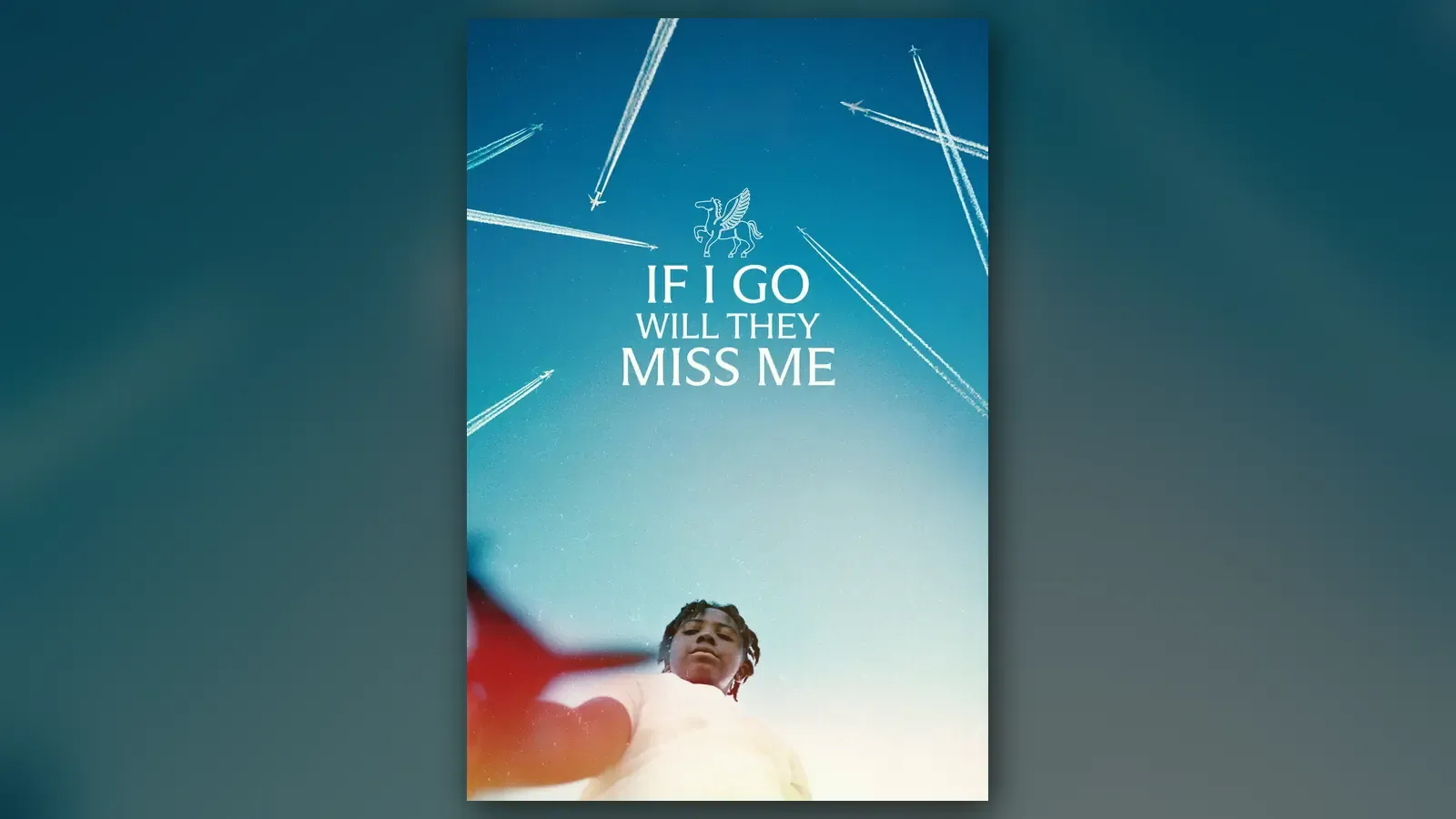
If I Go Will They Miss Me: How a Small Sundance Film Reached $1 Million
Walter Thompson-Hernández's Sundance NEXT feature If I Go Will They Miss Me passed $1 million domestically on no more than 251 screens before moving to rental. Why that matters for independent film.
Loading comments...