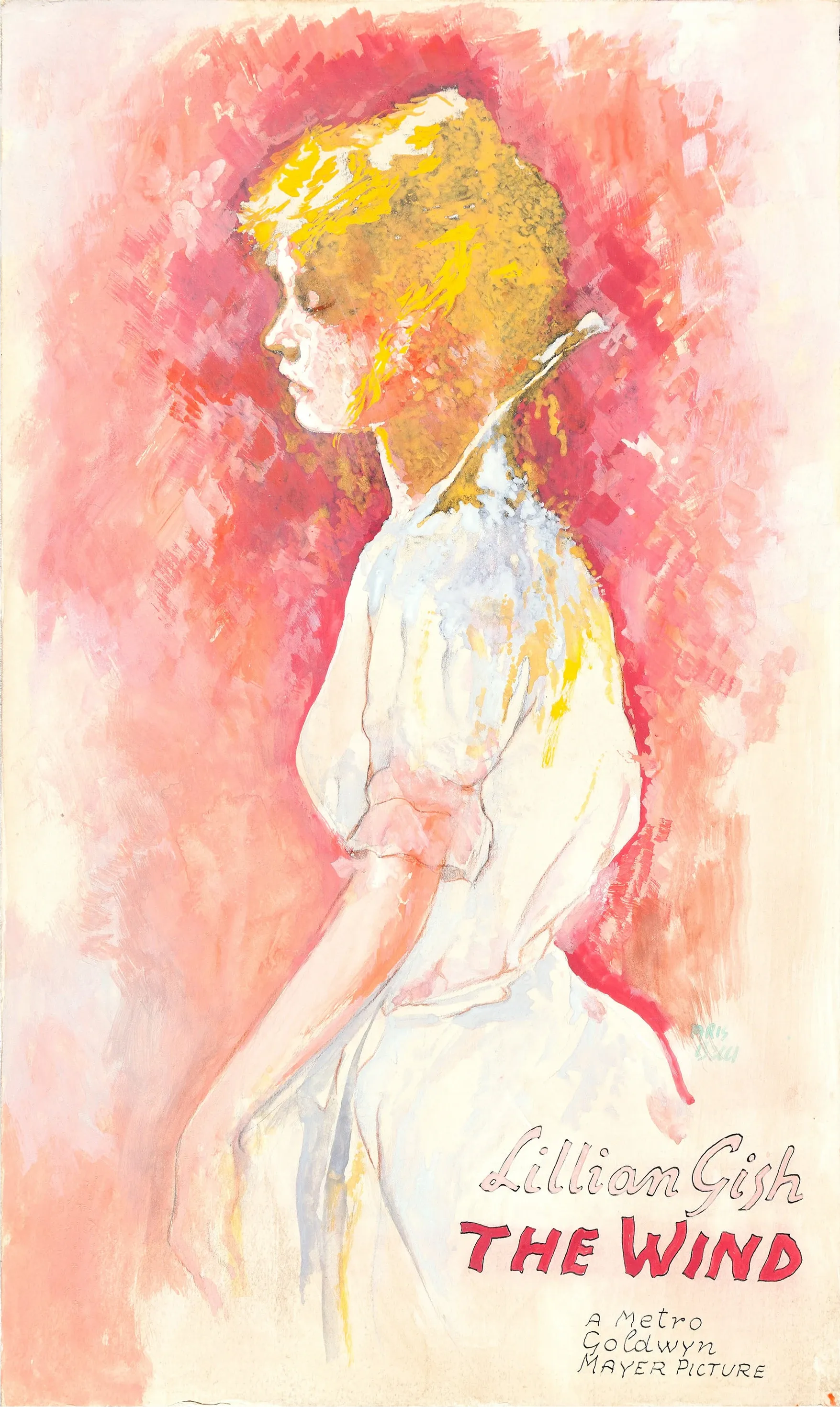
The Wind (1928): Lillian Gish and the Western as Psychological Siege
An in-depth analysis of The Wind, focusing on Lillian Gish's extraordinary performance, Victor Sjostrom's use of landscape as psychological pressure, and the film's uneasy ending.
Editorial Notes
Anna edits BucketMovies criticism and essay packages, with a steady interest in classic Hollywood, literary adaptations, and repertory programming.
Leah Carter
Research Editor
Leah handles source checks, release-date verification, awards coverage, and the reporting framework behind BucketMovies news and industry pieces.
There are films that use weather for mood, and there are films that make weather feel like fate. The Wind belongs in the second group. Victor Sjöström’s 1928 film does not treat the desert wind as background, or even as a symbol in the ordinary literary sense. It feels closer than that. It is pressure. It is abrasion. It is the thing that keeps entering the frame and battering Lillian Gish’s Letty until the line between environment and mental state starts to disappear.
That is one reason the picture still feels so unnerving. The plot sounds almost melodramatic when reduced to its bare mechanics: a young woman from Virginia is sent west to live with relatives in a dry Texas outpost, finds herself trapped by desire, gossip, marriage, fear, and violence, and slowly comes apart under conditions she cannot master. On screen, though, The Wind has a harder texture than summary suggests. It is not dreamy. It is raw and scratchy and full of sand. You can almost feel the grit in your eyes.
The film arrived at a strange historical moment, and that tension matters. The San Francisco Silent Film Festival calls it a movie caught in the shift from silent cinema to sound, and that feels right. MoMA’s restoration notes remind us that it was released with synchronized music and effects even though it was shot silent. AFI records the studio’s interference with the ending. TCM frames it as one of the last great performances of the silent era. All of that is true, but none of it explains the film’s hold by itself. What stays with me is simpler and harsher: The Wind understands how fear can become physical before it becomes verbal.
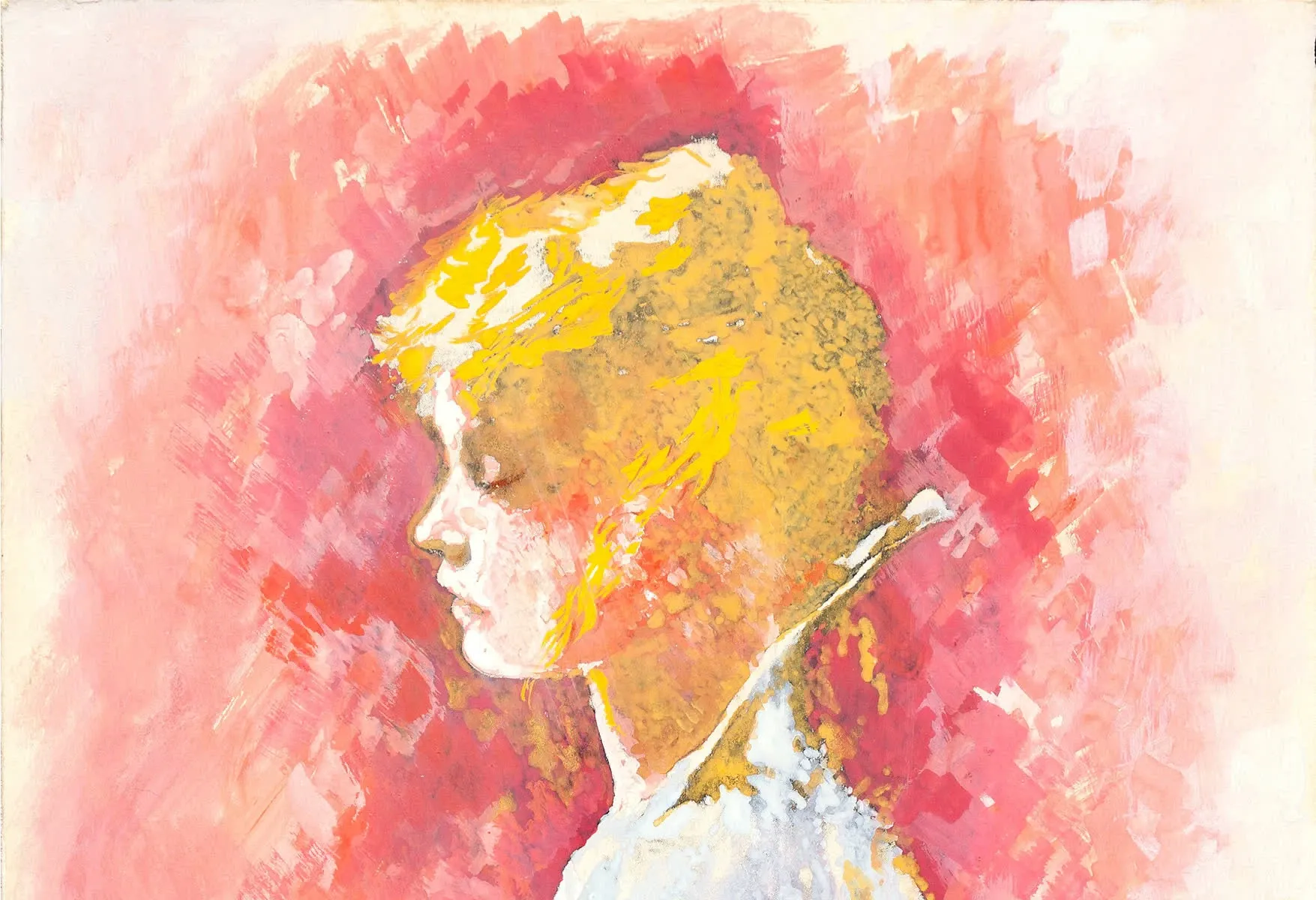 Top section of the original release poster for The Wind, preserved via Wikimedia Commons.
The Desert Is Not a Setting. It Is the Attack
One of the smartest things MoMA says about Sjöström is that he cared deeply about the intersection of landscape and psychology. That idea unlocks the whole film. Letty does not arrive in the West and then happen to go through a crisis there. The land itself keeps acting on her. The desert strips away the protections that eastern softness, class manners, and ordinary domestic expectations might have offered elsewhere.
The first scenes make this plain with startling efficiency. On the train west, Letty is already being warned that the wind can drive people mad. Once she arrives, the landscape seems to answer for itself. Nothing holds still. Dust gets into faces, clothing, rooms, conversation. The ranch is not a home in the secure sense. It is a place under assault, and Letty has no practical or emotional defense against it.
Sjöström films that exposure with unusual cruelty. The house does not feel snug against the elements. It feels temporary, almost embarrassed by them. Outside, the horizon looks empty enough to terrify. Inside, windows rattle and fabric moves and every domestic surface seems one gust away from surrender. The effect is not merely picturesque. It is invasive. The desert does not sit outside the characters and wait to be admired.
That is where The Wind separates itself from more decorative silent classics. Plenty of films from the period are interested in stylized atmosphere. This one is interested in harassment. TCM calls the wind a protagonist, and I think that is exactly right, though I would go a little further. It behaves less like a character than like a condition of being trapped in the wrong life. Letty cannot negotiate with it. She cannot charm it, outwait it, or understand it into submission.
I keep coming back to the wild horse image that MoMA highlights, the one that gives the sky a threatening face. It is one of the film’s strangest touches, because it looks both mythical and immediate. The horse is not there to make the movie prettier. It gives the wind a body, and once that happens, Letty’s fear starts to look less irrational than perceptive. She is living inside an environment that feels sentient.
Lillian Gish Plays Panic as a Physical Process
Gish had already become one of the defining faces of silent cinema before The Wind, but this performance cuts differently from the saintly fragility that people often associate with her Griffith work. The San Francisco Silent Film Festival is good on this point. It argues that Sjöström gave her a richer, more complex role than the imperiled innocence she had often been asked to embody earlier. That sounds right to me. Letty is vulnerable, but she is not pure abstraction.
What makes Gish so extraordinary here is how finely she calibrates deterioration. Letty is frightened early, then uneasy, then rattled, then defensive, then ashamed of how frightened she is, then half certain she is losing her grip. Those shifts matter because the film would be much less disturbing if she moved directly from innocence to breakdown. Instead Gish lets panic accumulate in small muscular adjustments.
TCM points to the tiny gestures in the performance, and that is where the work lives. Her hands do not settle. Her posture is forever trying to hold itself together and failing by degrees. Her face can look proud, disgusted, pleading, and stunned in rapid succession. When the men around her talk with rough familiarity, or when the wind starts up again, Gish does not play each moment as one more dramatic peak. She lets the body remember earlier shocks and carry them forward.
That continuity is what gives Letty her force. She is not a fragile doll placed in danger for our sympathy. She has vanity in her. She misjudges people. She wants safety, but she also wants admiration and escape. Those impulses make her more human and, in a way, more exposed. She can tell that the world she has entered is brutal, but she keeps hoping some arrangement inside it will spare her personally. The film keeps denying that hope.
This is also why I think the performance works better than a lot of later screen portraits of nervous collapse. Gish does not announce psychology. She behaves as if terror is changing the body’s rhythm from the inside. Her fear arrives before explanation does. You see it in the recoil, the hesitation, the need to keep looking over a shoulder even when no one has yet touched her. Silent acting gets dismissed too easily as broad, but The Wind has a precision that many sound films never reach.
The Movie Turns the Western into a Trap
People often label The Wind a western because of geography, ranch life, horses, and male roughness. The label fits in a shallow way, but it can also mislead. The western usually offers some relation between a person and open space, even when that relation is violent. In The Wind, openness feels like another kind of confinement. There is room everywhere, but no refuge.
That matters when Letty becomes trapped in the local marriage market. The men in the film are not merely individual threats. They are the available social options. Cora’s jealousy, Beverly’s weak attraction, Roddy’s oily persistence, Lige’s blunt decency, each of them belongs to a world in which a woman without resources cannot remain unattached for long. The desert narrows choice until choice barely feels like the word for it.
Lige is especially interesting because the movie does not make him easy. Lars Hanson plays him as awkward, coarse, and sometimes startlingly gentle. Letty marries him in desperation, not love. Yet he is not a villain waiting to reveal himself. He is part of the system pressing on her, and also one of the few people in the film capable of genuine care. That contradiction gives the marriage scenes their ache.
I think this is where The Wind becomes more than an atmosphere piece. It understands that panic rarely comes from one source. Letty is worn down by weather, yes, but also by sexual threat, gossip, class displacement, economic dependence, and the humiliating fact that gratitude is expected from her at every turn. She is supposed to adjust. She is supposed to stop recoiling. She is supposed to accept that this is life now.
The film never accepts that adjustment as neutral. Every time Letty is told to settle down, the movie quietly sides with the part of her that cannot. Not because it thinks she is morally superior, but because it knows her revulsion is also a form of perception. She sees the coarseness of the arrangement even when she cannot name all of it.
That is one reason the movie feels unexpectedly modern. It treats marriage, in this setting, as both shelter and pressure. It does not romanticize female endurance. It shows how endurance gets demanded by people who are not the ones being hollowed out.
Violence Arrives After the Film Has Already Cornered Her
When the plot takes its violent turn, it can look on paper like a conventional melodramatic escalation. In practice it feels almost inevitable. By then, The Wind has spent so long battering Letty with lesser forms of intrusion that the later attack lands as the logical expression of a world that never took her fear seriously in the first place.
The key thing is that the film does not isolate that violence from the atmosphere that precedes it. Roddy is dangerous as a man, but he is also dangerous as the personification of a recurring social fact in the movie: male presumption. He keeps reading access where none has been granted. He keeps assuming Letty’s vulnerability will eventually convert into consent. The windstorm around that scene does not heighten the drama from outside. It reveals the violence already embedded in the situation.
After that point, the movie becomes almost deliriously tactile. The body in the sand, the effort of dragging, the exhaustion, the terror of exposure, the sense that the landscape itself may betray her, all of it pushes Letty toward a state where sanity begins to look less like stability than like a luxury she can no longer afford. AFI’s summary of the plot makes the sequence sound brisk and factual. Watching it feels anything but brisk. It drags in the right way. You feel how long panic lasts.
This is where the title starts to feel almost cruel. The wind is everywhere, but it is not democratic. It strips some people and not others. The men complain about it, live in it, even joke through it. Letty is the one being unmade by it. That asymmetry matters. The film is not only about human beings versus nature. It is about how nature magnifies the social brutality already waiting for a woman with nowhere to go.
The Changed Ending Makes the Film Stranger, Not Safer
Any serious discussion of The Wind has to deal with the ending. AFI notes that the original finish followed Dorothy Scarborough’s novel more closely, with Letty wandering into the desert in madness, and that studio officials forced a more hopeful conclusion before release. TCM also describes the studio’s push for a less punishing last act. The movie we have ends with reconciliation and a decision to face the wind together.
On paper, that sounds like a softening. In one sense, it is. The film spares Letty total annihilation. But I do not think the released ending neutralizes what came before. If anything, it leaves the picture in a more unsettling place. Letty and Lige come together, but not in a warm romantic register. What we are watching is closer to exhausted recognition.
She does not suddenly discover that the West was home all along. The desert does not become beautiful. The wind does not stop. The social world that cornered her has not been redeemed. What changes is narrower and more ambiguous. Letty, after terror and violence, chooses a life she can at least imagine surviving. That is not the same thing as cinematic consolation.
I can see why studio executives thought this counted as optimism. They were looking for visible closure. But the psychic cost has already been paid. The movie still feels marked by the darker ending that haunts it from behind. You can almost sense the absent version in which the wind wins completely, because Sjöström has directed the entire film as if such an outcome would make emotional sense.
That tension is part of why the movie lasts. The compromise does not erase the damage. It leaves it sitting there. A neat happy ending would have made the film easier to admire and easier to forget. This one keeps the wound open.
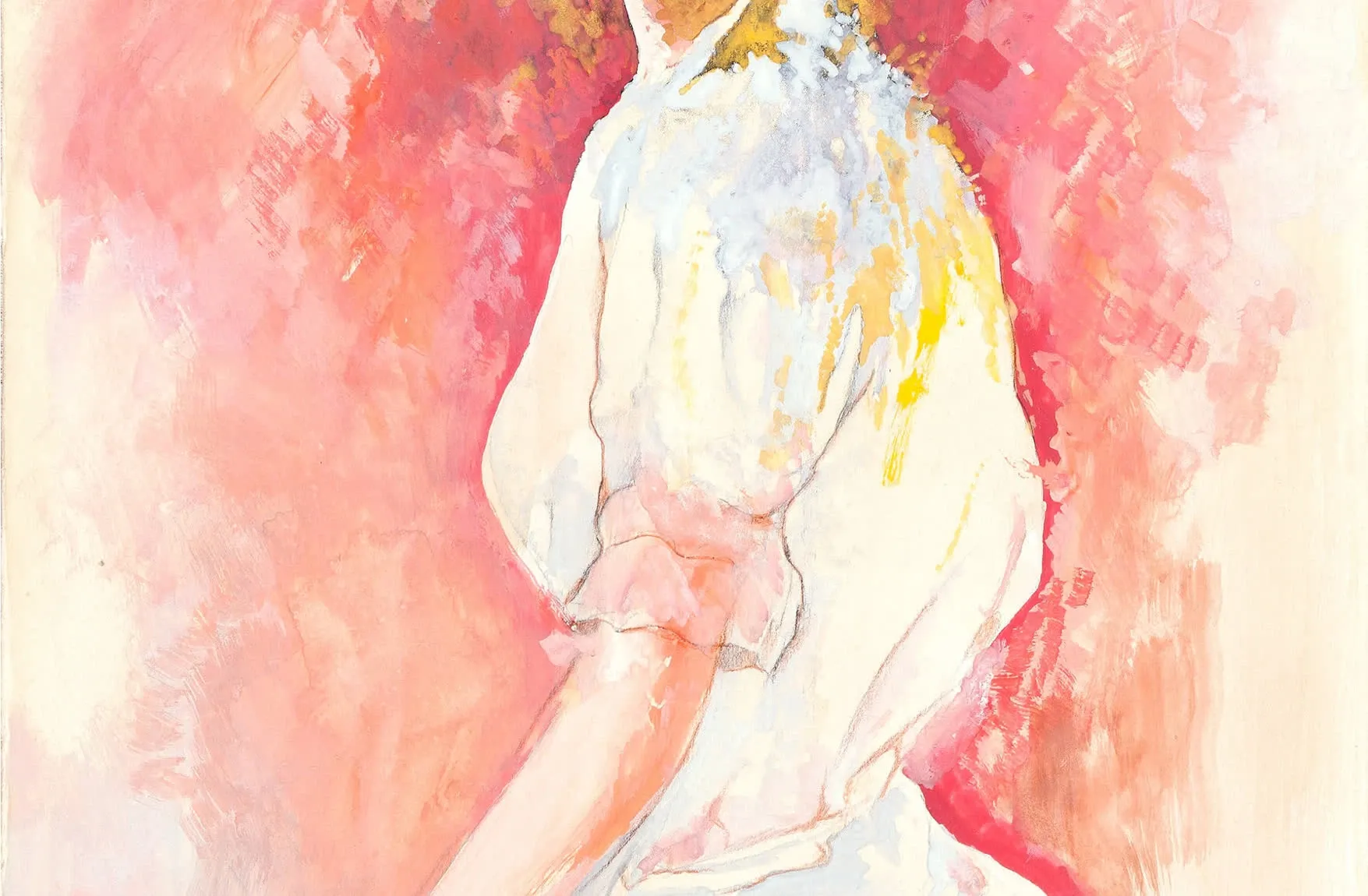 Detail from the original poster, with Lillian Gish caught inside the film’s storm-blown visual design.
Why The Wind Still Feels Harsh in 2026
Some classics survive because they are lovable. The Wind survives because it is abrasive in the right places. It refuses to smooth fear into decor, and it refuses to flatten Letty into either a martyr or a hysteric. That alone gives it more life than many prestige silent dramas.
It also helps that the film understands something many later psychological movies forget. Breakdown is not mysterious when the pressure is visible. The mystery is how long a person can continue before breaking. The Wind shows pressure from all sides and then asks how much one body can absorb. That question has not aged.
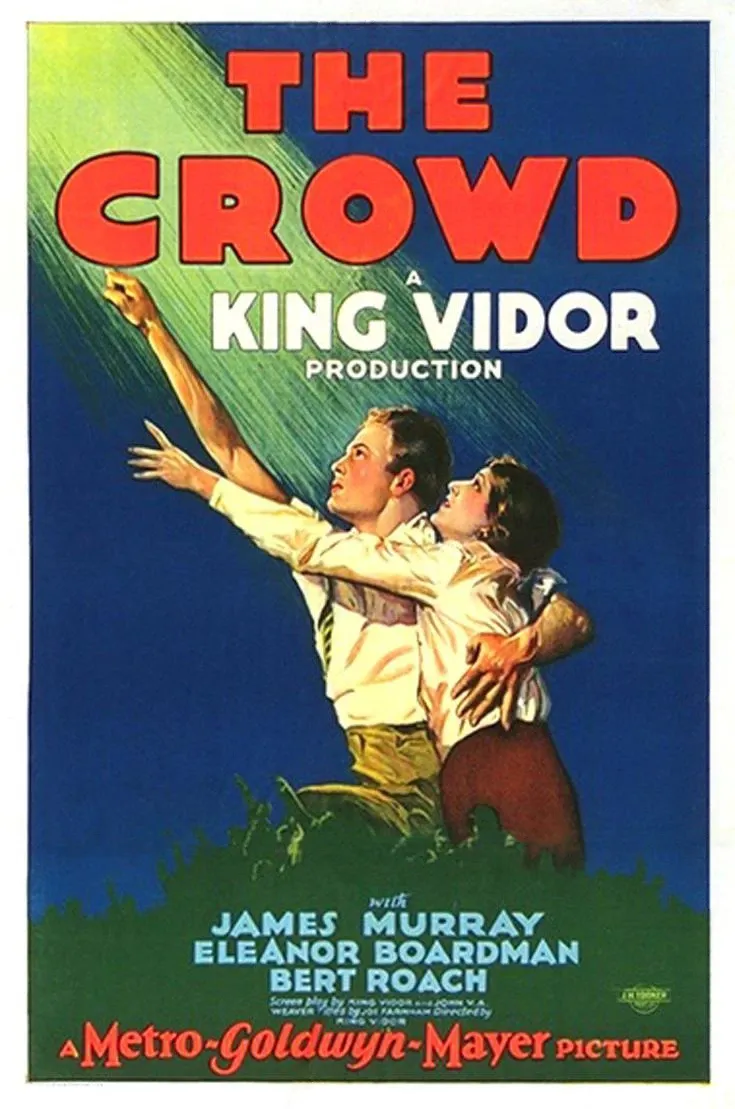
For readers who have been following our run through silent-era masterpieces, this makes a strong companion to The Crowd (1928): King Vidor and the Terror of Becoming Ordinary and The Passion of Joan of Arc (1928): The Face, the Trial, and the Violence of Looking. All three films trap their protagonists under forms of scrutiny and pressure, but they do it differently. The Crowd uses modern social scale. Joan of Arc uses faces and judgment. The Wind uses weather, space, and the brutal fact that panic can become the whole texture of a place.
The Library of Congress placed the film in the National Film Registry in 1993, and that feels earned. Not because The Wind is merely important in a museum sense, but because it still has the power to unsettle viewers who think they know what a late silent classic will feel like. This is not a polished relic. It is a film that still scratches.
Final Thought
What stays with me about The Wind is how little distance it keeps from fear. Sjöström does not observe Letty from a safe critical perch. He pushes us into a world where the air itself seems hostile, where desire becomes pressure, and where survival starts to look less like triumph than stubborn endurance.
Gish gives that world its human center. Without her, the film might still be impressive. With her, it becomes hard to shake. She makes Letty’s terror granular, bodily, immediate. By the end, the wind has stopped being scenery and turned into one of the most punishing forces in silent cinema. That is why the film still feels alive. It does not merely show a woman in crisis. It makes crisis feel like weather.
Sources and Further Reading
- The Wind (1928) - AFI Catalog
- The Wind - San Francisco Silent Film Festival
- The Wind (1928) - Turner Classic Movies
- The Wind. 1928. Directed by Victor Sjöström - MoMA
- Complete National Film Registry Listing - Library of Congress
- File:The Wind (1928 film poster).jpg - Wikimedia Commons
Share This Article
Comments
.jpg)